


- Posted on 24 Mar 2026
- 28-minute read
By Mark Beeson
share_windows This policy brief appeared in the Toda Peace Institute's Policy Briefs and Reports series on March 24 2026.
This policy brief argues that middle powers should collaborate to protect their distinctive interests at a time of profound change and uncertainty in the international order. After outlining some of the key changes, it explains the different ways in which the current order is viewed by the United States, and by states like Canada, which has been subjected to increasing levels of pressure and interference by its more powerful neighbour. Mark Carney has recently provided an important and actionable analysis of the situation confronting middle powers as they seek to navigate a world in which the United States appears to have abandoned its role as system stabiliser.
AUTHOR

Mark Beeson
Adjunct Professor, Australia-China Relations Institute, University of Technology Sydney

News
The US and China cannot slow the AI race, but they can make It safer
The United States does not need to trust China, share frontier models with China, or slow its own AI development to have a national security interest in AI...
News
Australia-China Weekly Brief: October 2026 issues
The Australia-China Weekly Brief by the Australia-China Relations Institute at the University of Technology Sydney (UTS:ACRI) tracks key developments in...
News
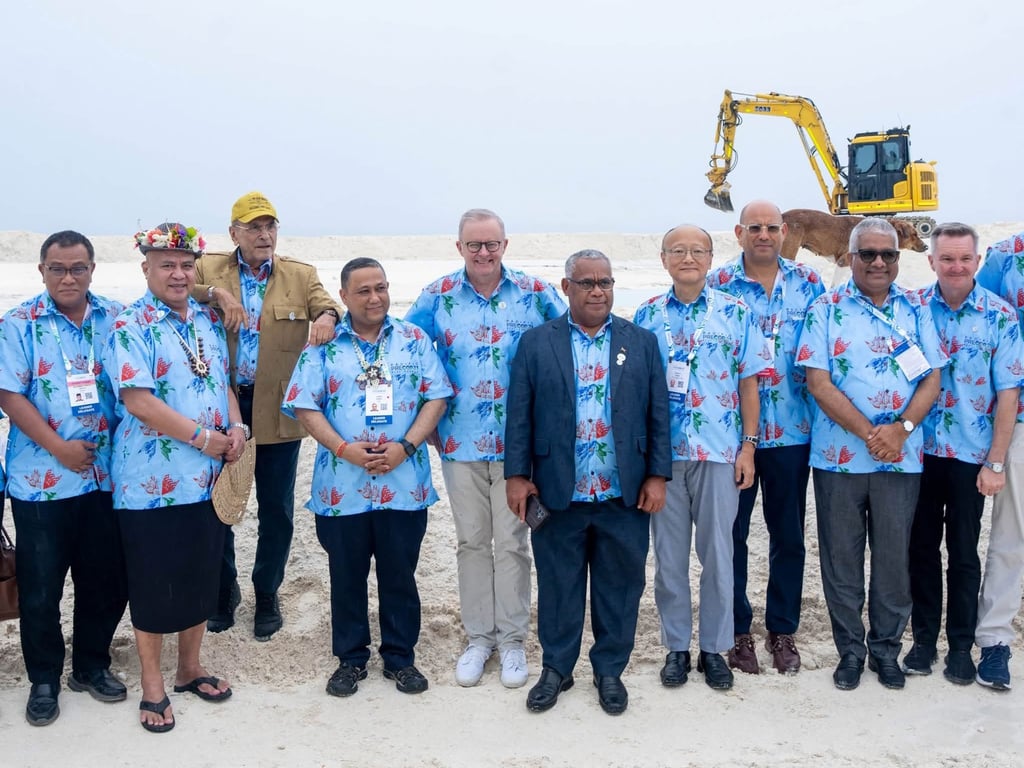
Whose security counts in the Pacific?
While climate-related spending gets criticised, billions forked out for security and strategic engagement gets framed as for the “national interest”.
News
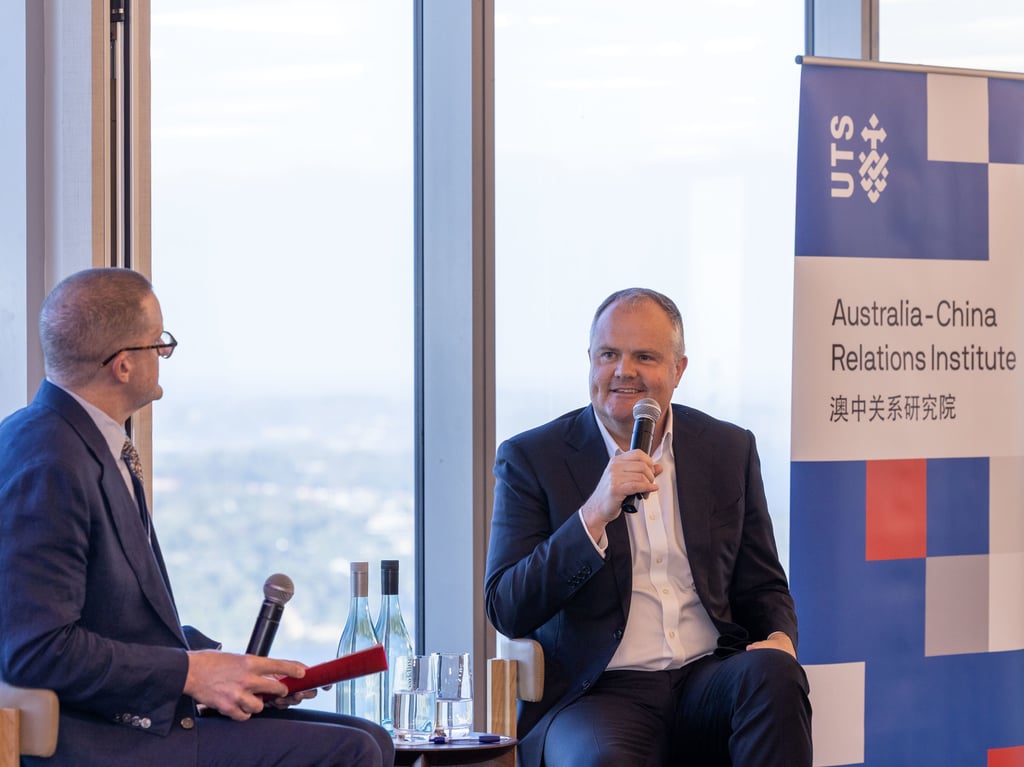
In conversation with Mr Ted O'Brien MP
On October 7 2026, the Australia-China Relations Institute at the University of Technology Sydney (UTS:ACRI) welcomed Mr Ted O'Brien MP, Australia’s Shadow...
News
The US and China cannot slow the AI race, but they can make It safer
The United States does not need to trust China, share frontier models with China, or slow its own AI development to have a national security interest in AI...
News
Australia-China Weekly Brief: October 2026 issues
The Australia-China Weekly Brief by the Australia-China Relations Institute at the University of Technology Sydney (UTS:ACRI) tracks key developments in...
News
Whose security counts in the Pacific?
While climate-related spending gets criticised, billions forked out for security and strategic engagement gets framed as for the “national interest”.
News
In conversation with Mr Ted O'Brien MP
On October 7 2026, the Australia-China Relations Institute at the University of Technology Sydney (UTS:ACRI) welcomed Mr Ted O'Brien MP, Australia’s Shadow...