


Engineer solutions for a more sustainable future
Civil and environmental engineers play a critical role in improving the way we live. They create efficient buildings and infrastructure, design solutions to protect soil and water from contamination, plan waste and pollution control, and ensure the availability of resource recovery systems.
The UTS Bachelor of Engineering (Honours) in Civil and Environmental Engineering develops the technical, environmental and professional skills needed to address complex infrastructure and environmental challenges.
In this course, you'll build knowledge in civil engineering, pollution control, transport, renewable energy, environmental analysis, ecology and physicochemical processes. You'll develop an understanding of the social, political and legal aspects of environmental planning and management, preparing you for careers in civil and environmental engineering.
As an Australian student, you have the chance to apply for a Commonwealth Supported Place for this course. Find out if you meet the criteria and learn the steps to apply.
Part of the Faculty of Engineering and Information Technology.
Your future in engineering: Career guide
Explore career pathways in biomedical, civil and environmental, electrical and electronic and mechanical and mechatronic engineering, and graduate with technical expertise, leadership skills and problem-solving capabilities.
EXPLORE
Bachelor of Engineering (Honours) (Civil & Environmental)
CODE
UTS: C09066 (version 6)
CRICOS: 084098A
UAC: 603006 Civil & Environmental (Autumn Session, Spring Session)
LOWEST SELECTION RANK
DURATION
4 years full time
8 years part time
INTAKE
Autumn Session 2026
Spring Session 2026
Autumn Session 2027
Spring Session 2027
COURSE FEES
LOCATION
City campus
What you’ll study
In this degree, you'll undertake a range of core Engineering subjects to establish your knowledge of key areas like mathematics, modelling and project management. In your major, you'll build skills in soil behaviour, structures, geotechnical engineering, renewable energy, computational methods, surveying, water and environmental design and planning.
Your professional placement and capstone project will help you develop the practical, professional and research capabilities needed for a career in civil and environmental engineering.
Subjects at a glance
-
Core subjects
Subject Code Subject Name 68037 Physics 133130 Mathematics 133230 Mathematics 248230 Introduction to Engineering Projects41200 Engineering Project Appraisal41201 Designing Sustainable Engineering Projects41202 Professional Engineering Communication41203 Collaboration in Complex Projects41035 Professional Practice Preparation 141055 Professional Experience Review
Typical course program
The outline below shows an example program for the Bachelor of Engineering (Honours) in Civil and Environmental Engineering based on a full-time study load. Please note that your exact program may differ based on your unique circumstances, such as your commencement date, subject selections and recognition of prior learning.
-
- 8
- core Engineering subjects
-
- 20
- Civil and Environmental Engineering major subjects
-
- 4
- Civil and Environmental Engineering specialist subjects
-
- 1
- Professional Engineering Practice subjects
-
First year
To commence your degree, you’ll undertake subjects from your core and major. This will give you a comprehensive introduction to areas such as mathematics, surveying and engineering mechanics, which will provide a solid basis for your future studies. -
Second year
You’ll get to go deeper in your second year, learning about environmental engineering, sustainability and computational methods. You’ll also prepare for your professional practice, getting invaluable insight into the creation and execution of engineering projects. -
Third year
You will continue undertaking specialised subjects, where you’ll learn about soil, concrete, structural analysis, hydraulics and pollution control. You’ll also get to put theory into practice, undertaking your professional work experience in a real engineering company. -
Fourth year
You’ll finalise your degree by completing your capstone research project. You’ll also complete any remaining subjects, rounding out your education experience and ensuring you’re ready to enter the engineering profession.
Course highlights
This program will equip you with a wide array of key skills required by professional civil and environmental engineers. You’ll also attain valuable expertise in pollution control, transport, renewable energy, environmental analysis, ecology and physico-chemical processes, plus an understanding of the social, political and legal aspects of environmental planning and management.
- check_circle
- check_circle
- check_circle
- check_circle
- check_circle
- check_circle
Industry accreditation
The Bachelor of Engineering (Honours) in Civil & Environmental Engineering is accredited by Engineers Australia and recognised internationally through the Washington Accord, supporting professional recognition in Australia and overseas.

Admissions information
Admissions information
Find more Engineering courses
Entry schemes and pathways
Elite athletes and performers scheme
If you're an elite athlete or performer who has represented your school or state at a national level, and your studies have been affected, this scheme is for...
InpUTS
If you've experienced long-term disadvantages that have affected your education, you may be eligible for selection rank adjustments through inpUTS.
Completing a recognised TAFE or VET provider qualification
With a VET qualification, you're eligible to apply for certain courses. Take the next step in your education.
Jumbunna Admission Program
If you're Aboriginal or Torres Strait Islander, Jumbunna is an alternative application process for our courses that emphasises diverse pathways to success.
Changing from another undergraduate course
You can apply for our courses using your previous study. You may even be eligible for recognition of prior learning, so you won’t need to repeat subjects.
UTS College
Transition smoothly to UTS with UTS College. Explore our programs now.
Careers
Your future career
Build the knowledge and practical skills to work across infrastructure, environmental management and sustainability-focused engineering projects.
Graduates work with engineering consultancies, government agencies, local councils and infrastructure providers. You'll develop engineering, project management and problem-solving capabilities that can be applied across transport, water, environmental and infrastructure projects.
Help design sustainable infrastructure, improve environmental outcomes and support the responsible management of natural resources.
Career options
Tailor your studies to your interests and career goals through a range of sub-majors. Each specialisation develops expertise in a particular area of civil engineering and can help prepare you for different career pathways after graduation.
| Major | What you'll learn | Future career pathways |
|---|---|---|
| Civil Engineering |
Infrastructure design, construction and project delivery | Infrastructure consulting, transport projects, construction and asset management |
| Civil and Environmental Engineering | Sustainable engineering and environmental systems | Water management, environmental consulting, sustainability and infrastructure planning |
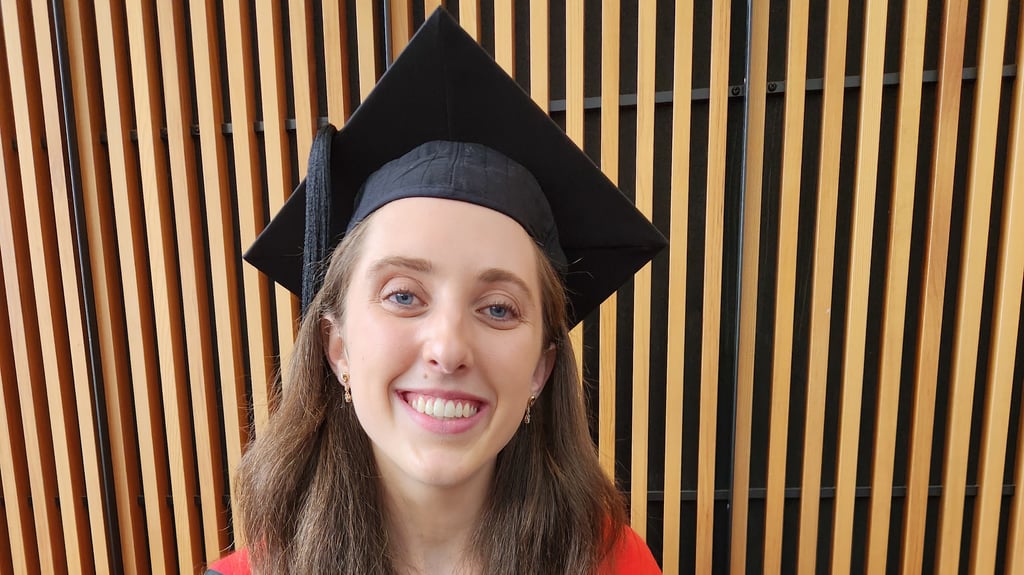
“That real-world experience changed everything. When we studied steel and timber design at uni, I was already doing that at work. It made my studies more relevant, and gave me the confidence to know I was on the right path."
Amelia Welsh
Civil and Environmental Engineering
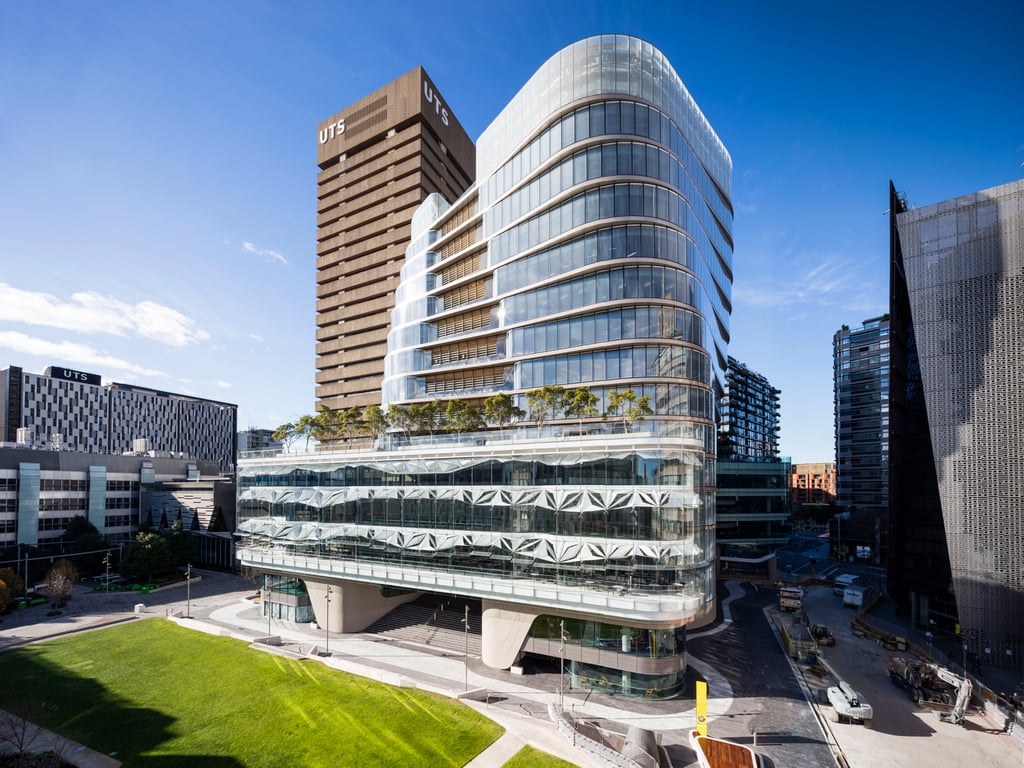
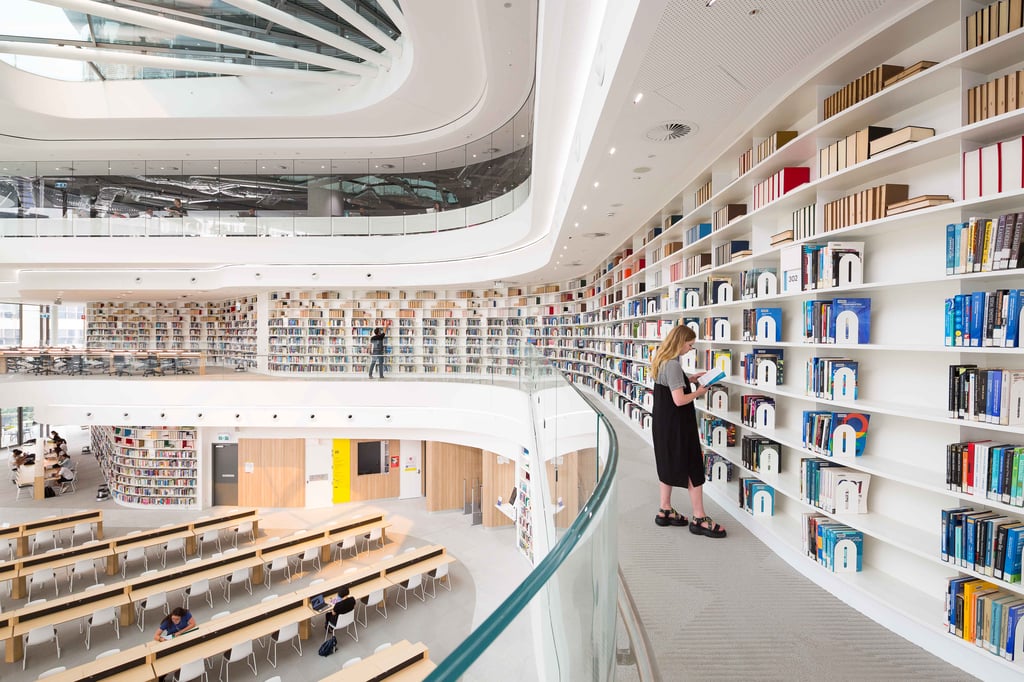
Where you’ll study
Our world-class facilities support your future-focused learning and high-impact research. They enable effective partnerships with industry and provide services to our community.


Why UTS?
Why study Civil & Environmental Engineering
As we work to reduce our environmental impact, demand grows for civil engineering professionals with the skills and knowledge required to create effective, human-focused and resilient infrastructure. Learn from industry leaders and build in-demand skills in research, project management, implementation and more, ensuring you graduate with everything you need for a rewarding, successful career.
#5 in Australia
UTS is among the top five universities in Australia for Civil and Structural Engineering.
QS World University Rankings by Subject 2026
Strong career outlook
Future demand for Civil and Environmental Engineers is expected to remain strong.
Your Career 2024
Engineers Australia accredited
Graduate with a degree recognised in Australia and internationally through the Washington Accord.
-
calendar_today
On-demand
-
location_on
Online
-
attach_money
Free admission

-
calendar_today
Thu 12 Nov 2026
-
schedule
5.45PM - 7.30PM Australia/Sydney (1 hour)
-
attach_money
Free admission

-
location_on
Online
-
attach_money
Free admission

-
location_on
City campus Science Building, Building 4 CB04 Building 4, Science Area 337, Level 6, 745 Harris Street Ultimo NSW 2007
-
attach_money
Free admission
-
calendar_today
On-demand
-
location_on
Online
-
attach_money
Free admission
-
calendar_today
Thu 12 Nov 2026
-
schedule
5.45PM - 7.30PM Australia/Sydney (1 hour)
-
attach_money
Free admission
-
location_on
Online
-
attach_money
Free admission
-
location_on
City campus Science Building, Building 4 CB04 Building 4, Science Area 337, Level 6, 745 Harris Street Ultimo NSW 2007
-
attach_money
Free admission
Make an enquiry
Considering studying at UTS? Connect with our team to explore your study options, the application process, and discuss any other questions you may have.

location_on
City campus
schedule
0.5 years full time 1 year part time
location_on
City campus
schedule
0.5 years full time 1 year part time

location_on
City campus
schedule
4 years full time 8 years part time
location_on
City campus
schedule
0.5 years full time 1 year part time
location_on
City campus
schedule
0.5 years full time 1 year part time
location_on
City campus
schedule
0.5 years full time 1 year part time
location_on
City campus
schedule
4 years full time 8 years part time
location_on
City campus
schedule
0.5 years full time 1 year part time