


What is compassionate conservation?
How should conservation act to truly represent, protect, and respect all living beings? Using compassion as a means to critically rethink what conservation is for, our approach challenges traditional conservation paradigms that perpetuate the distinction between human and more-than-human worlds. It does so by recognising the intrinsic value and rights of all living beings, advocating for more inclusive and ethical conservation actions that acknowledge we live together in multispecies societies, sharing one planet.
The approach includes:
- Questioning, challenging, and rethinking conservation norms
- Viewing humans and non-humans as interconnected
- Advocating for the wellbeing and flourishing of all beings
- Emphasising non-violent means of cohabitation
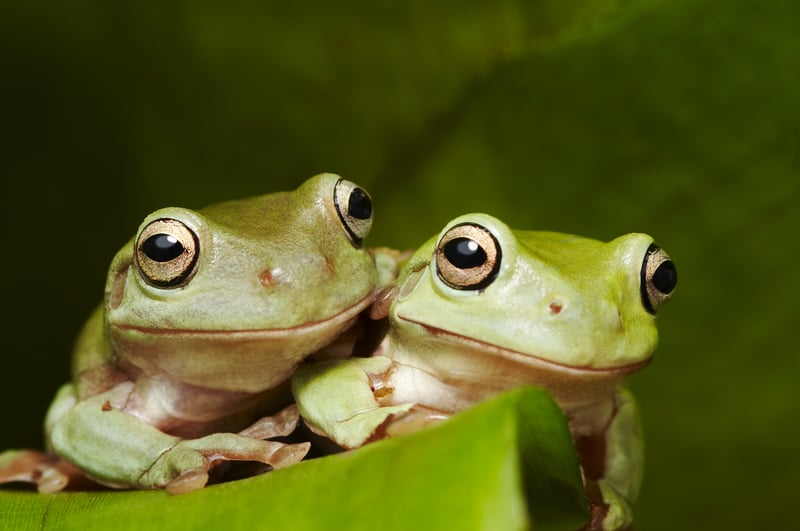
About us
The UTS Centre for Compassionate Conservation (CfCC) is dedicated to transforming conservation actions by reimagining the relationship between humanity and the natural world.
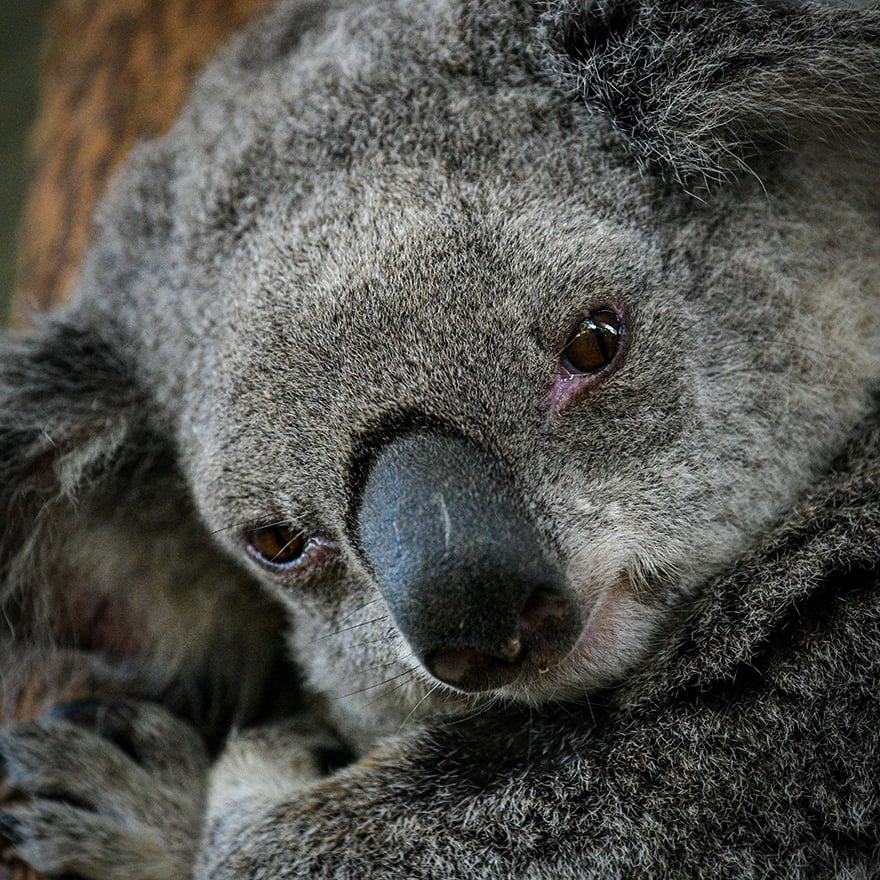
Our purpose
Our goal is to bring compassion for individuals into conservation decision-making and to shift conservation practices from a species-centric approach to one that values individual lives and their intrinsic worth and rights.
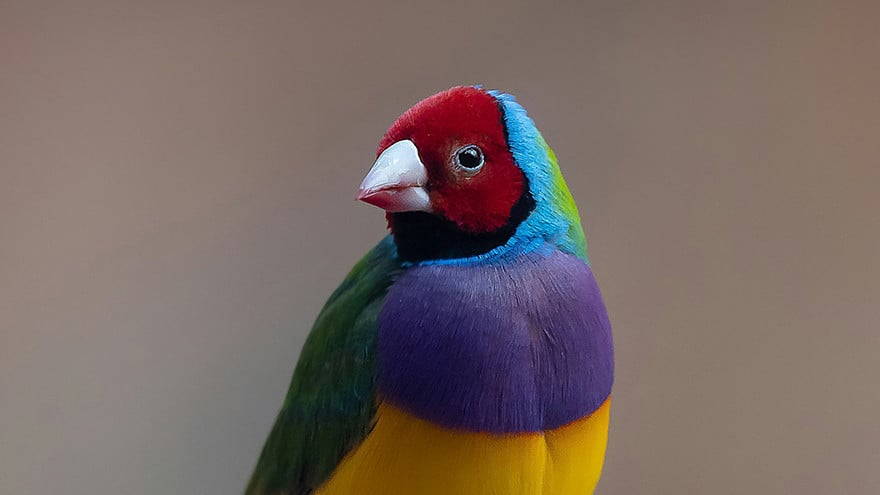
Our people
Our experts work across the world to deliver evidence-based and compassion-led solutions to pressing conservation challenges.
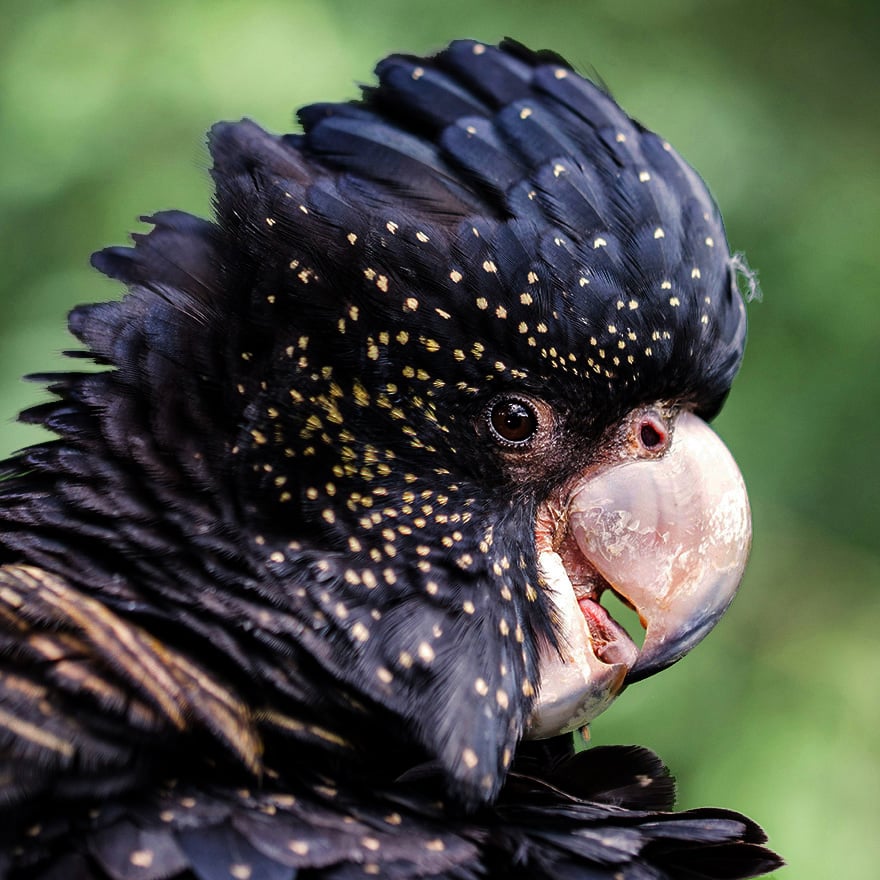
Our research
Our centre strives to bring together the theoretical and philosophical underpinnings of inclusion, with practical and scientific approaches for solving complex real-world problems.
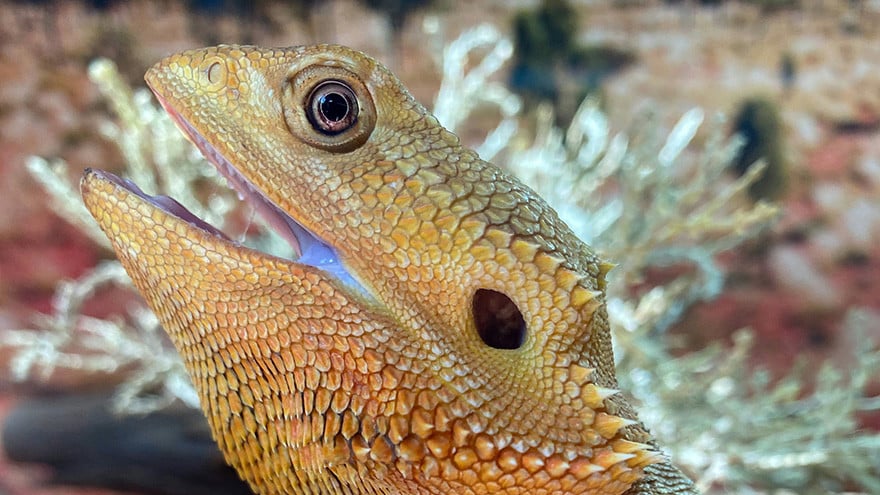
Our affiliates
Collaboration is at the core of what we do and how we do it. It's through partnerships that we will quickly develop the pathway to improve the treatment of wild animals.
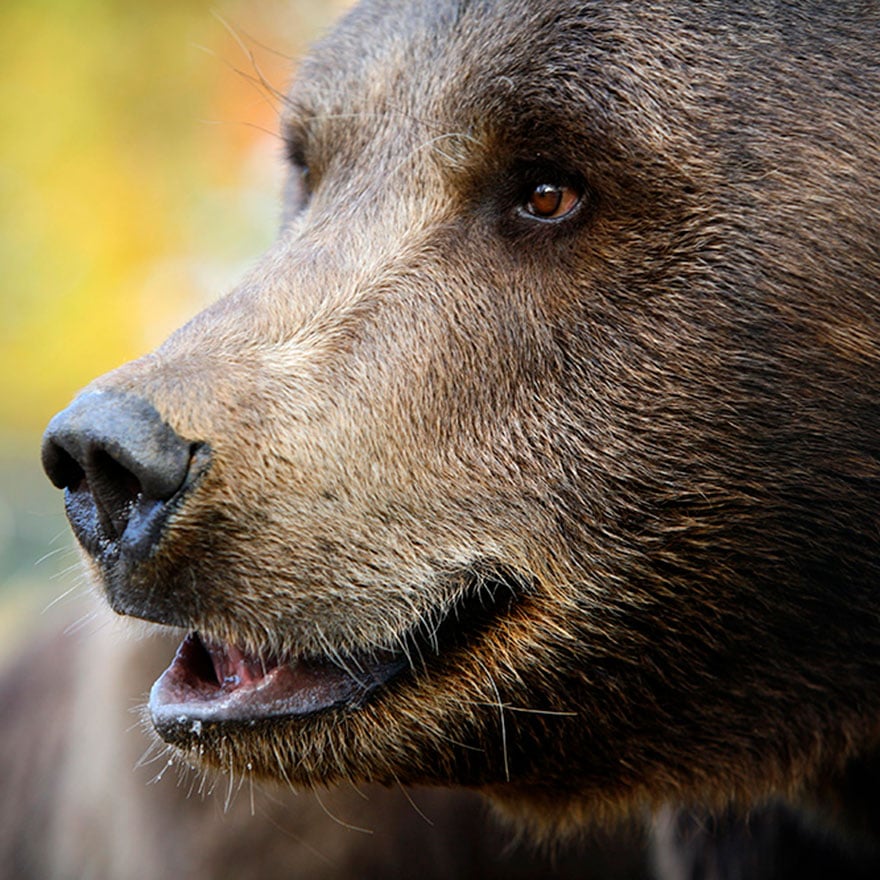
Our students and graduates
Find out more about what our students and recent graduates have been working on.