

Supporting food security and sovereignty, equity and justice through interdisciplinary social science.
Food systems are underpinned by how societies, cultures, and political systems define their food strategies.
Our team holds expertise in the interdisciplinary social sciences, drawing from human ecology, political economy, gender studies and the political sciences to understand the human dimensions of food systems.
Our project with Fisheries Queensland allowed us to explore the historical drivers that have influenced engagement between commercial fishers and the state government. Through extensive consultation, surveys, interviews, and field visits, we produced a series of recommendations to increase the involvement of commercial stakeholders in fishery reform processes.
Our research into transformations towards climate adaptive landscapes has allowed us to explore how communities in Australia and internationally will manage change under different pathways.
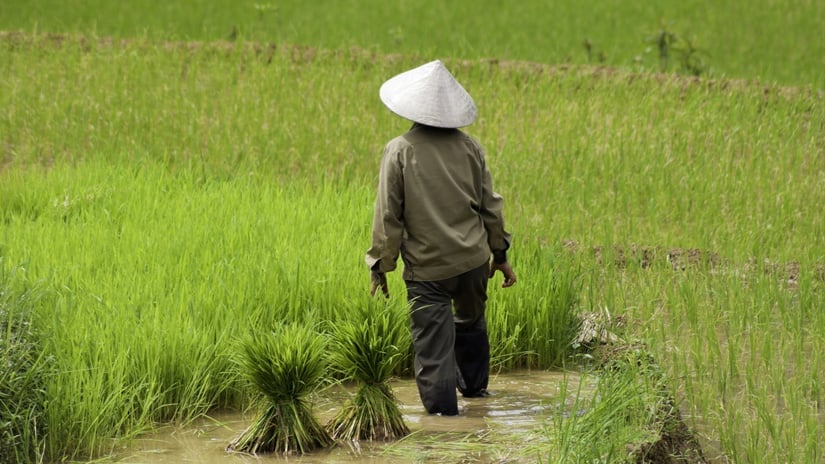
Our transdisciplinary food and nutrition security workshop design has allowed us to understand how different research and policy actors throughout Southeast Asia frame smallholder agriculture solutions.
We have assessed the impact of forestry projects funded by the Australian government in Vanuatu since 2002, identifying the economic and social benefits of sandalwood projects to rural economies through a mixed methods approach.
We have undertaken analysis of systems thinking tools for biodiversity research for the Biodiversity Revisited global project.
Collaborating with Australian Government and United Nations agencies, we are undertaking a three-year study into improving gender outcomes in agriculture and water systems in Myanmar through building capacities in systems and nexus thinking.
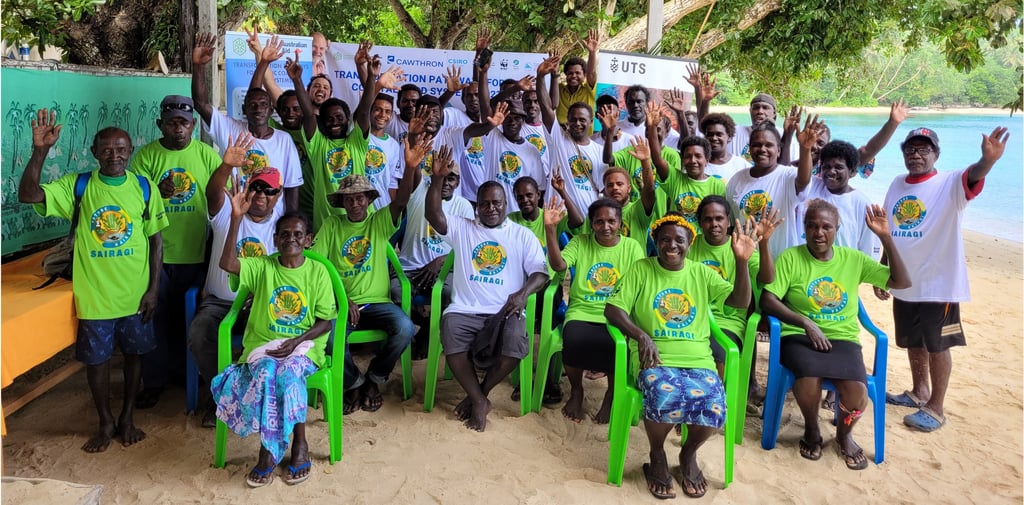
Transformation pathways for Pacific coastal food systems
Food System Pathways: Developing a process for community-led adaptation

Scoping the governance and co-benefits of circular food-energy systems in Fiji
Circular food economies can support food security, emissions reduction, and sustainable energy use in rural areas of Fiji. Biodigester systems are a type of...
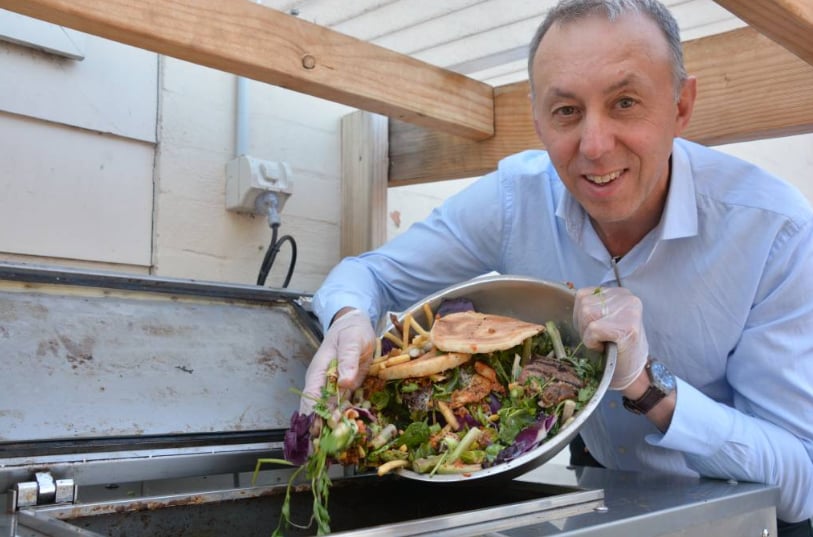
Zero Waste Leura
Zero Waste Leura is a NSW Love Food Hate Waste Partnership project, funded by the NSW waste levy. It aims to work with Blue Mountains businesses to avoid food...
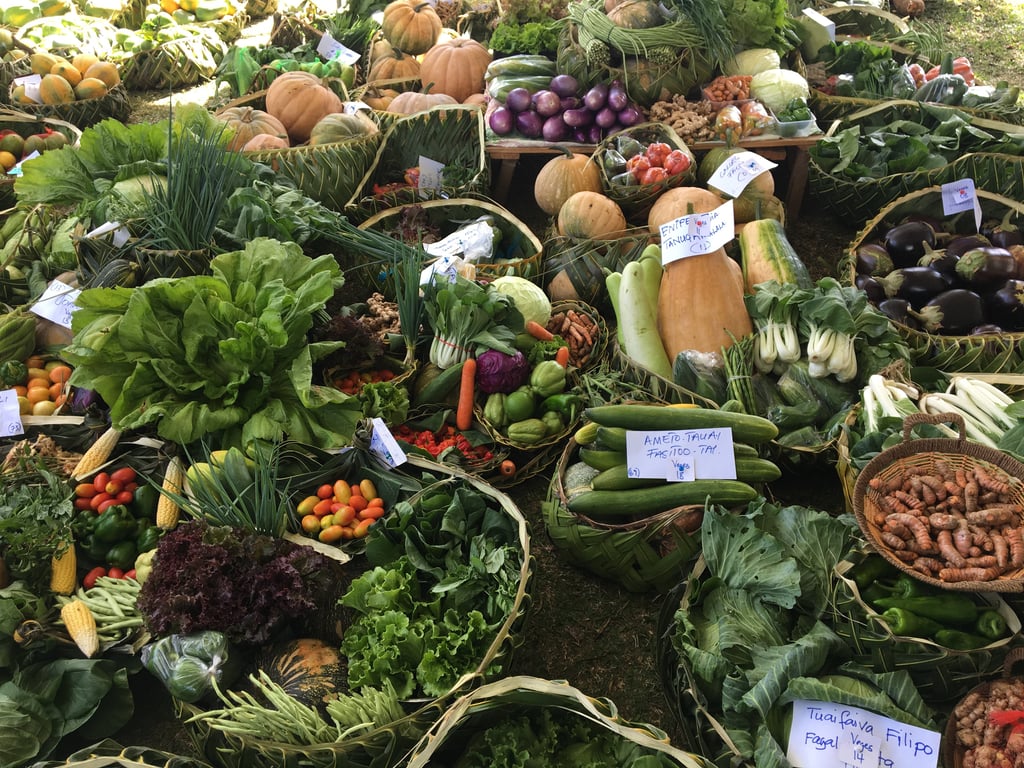
COVID-19 and food systems in the Indo-Pacific
Emergency responses to the COVID-19 pandemic have had dramatic impacts in the Indo-Pacific region. The COVID-19 shock has reverberated through food...
View more projects
Pacific integrated program on food systems and health
PROJECT | 2021
ISF, in collaboration with the Pacific Community (SPC), captured the diversity of capacities and interests in food systems within SPC, to support SPC's new food systems program.
Fisheries social economic survey
PROJECT | 2019-2020
This project aimed to evaluate the socio-economic performance of the NSW Department of Planning, Industry and Environment's large business adjustment program for the fisheries sector.
For this, we conducted a survey with commercial fisheries and captured the diversity of impacts the policy has had on fisheries management. Recommendations from our research were put forward to government to help advance fisheries management in NSW.
Client: NSW Department of Planning, Industry and Environment
Researchers: Federico Davila, Yohan Kim, Roel Plant
Sustainability performance assessment for palm oil producers
PROJECT | 2019-2020
ISF designed an evaluation tool to measure the environmental impact of palm oil production, and applied it to nine operations in order to guide sustainable investment.
Improving stakeholder engagement for Queensland fisheries
PROJECT | 2018-2019
Historical analysis reveals the path forward for better relationships with corporate stakeholders.