

- Posted on 20 Jul 2021
- 2-minute read
Most accessible bathrooms in Australia follow a standard layout. But do they meet the individual needs of people using wheelchairs? A new cross-faculty UTS research project aims to find out.
Accessible bathrooms are specifically designed to accommodate users with a disability. Designs of these bathrooms must follow building standards and regulations, which generally presume that users are relatively independent and have moderate levels of physical restrictions.
This one-size-fits-all approach doesn’t work all the time, especially where help from a carer is needed, more complex disabilities are involved or more sophisticated assistive technologies are available.
Collaborating directly with wheelchair-users, UTS researchers will explore the lived experiences and present-day needs of accessible bathroom users.
In a world-first, they will use mobile motion capture and biometric technology to track and model how people in wheelchairs actually experience accessible bathrooms.
The project will be led by Professor Sidney Newton, Professor Simon Darcy and Dr Phillippa Carnemolla with industry partners Accessibility Solutions and Vista Access Architects.
“The standards that govern the design of accessible bathrooms are very prescriptive. We know that they don’t suit certain individuals very well, such as those over 60 years of age or users of newer models of wheelchair,” says Professor Sidney Newton, Director of the Built Environment Research Centre at UTS.
“Take, for example, the way that toilets are generally placed in a corner. While that works for many, some may have problems transferring onto it from their wheelchair if they have difficulties using that side of their body.”
“We want to explore these issues and use empirical data to give nuance to our understanding of them. Ultimately, we’ll work with a range of cross-disciplinary experts to make recommendations around improvement to the standards. Our intention throughout all this, is to explore how accessible bathrooms are experienced in real life,” he says.
Project team
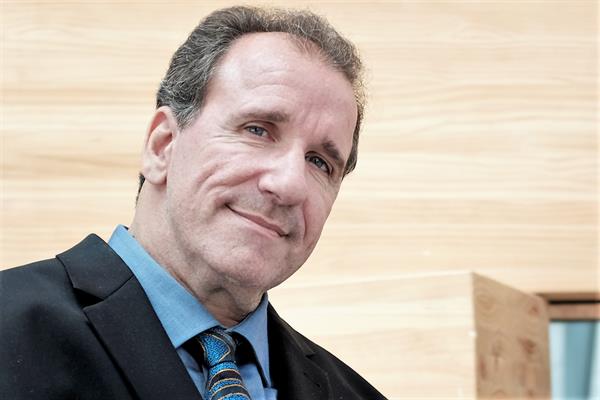
Adjunct Professor, Business School
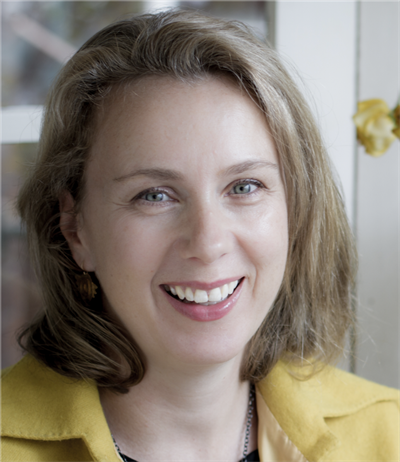
Professor, Faculty of Design and Society
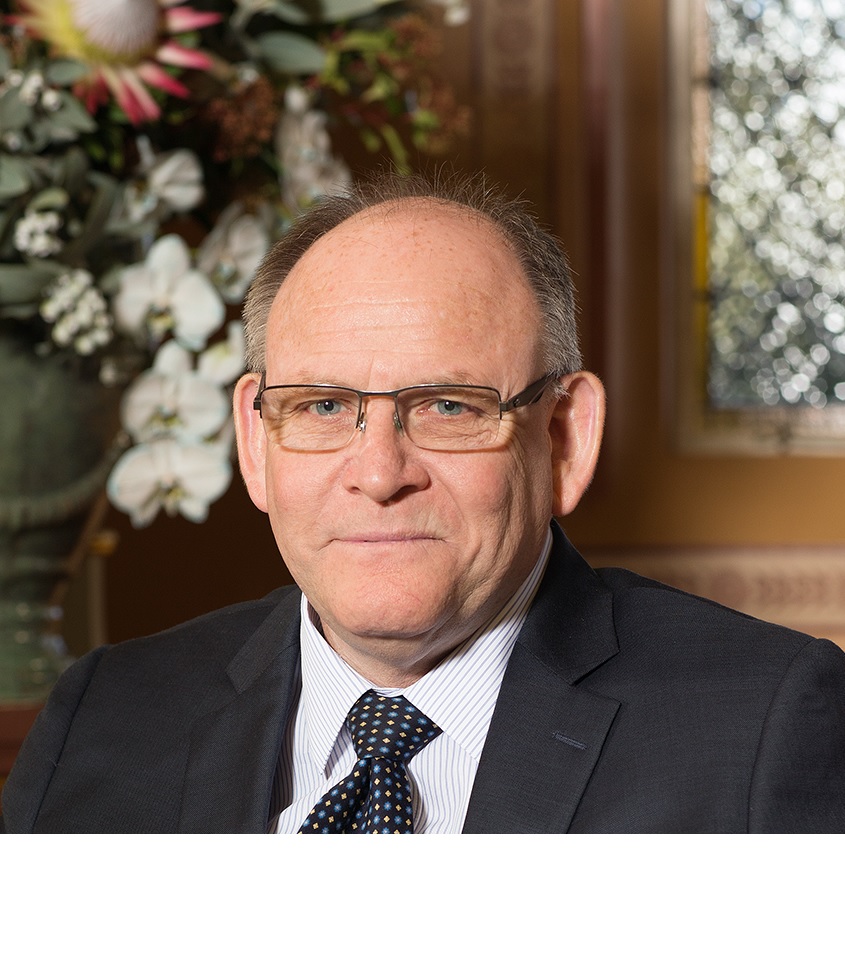
Sidney Newton
Professor, Built Environment
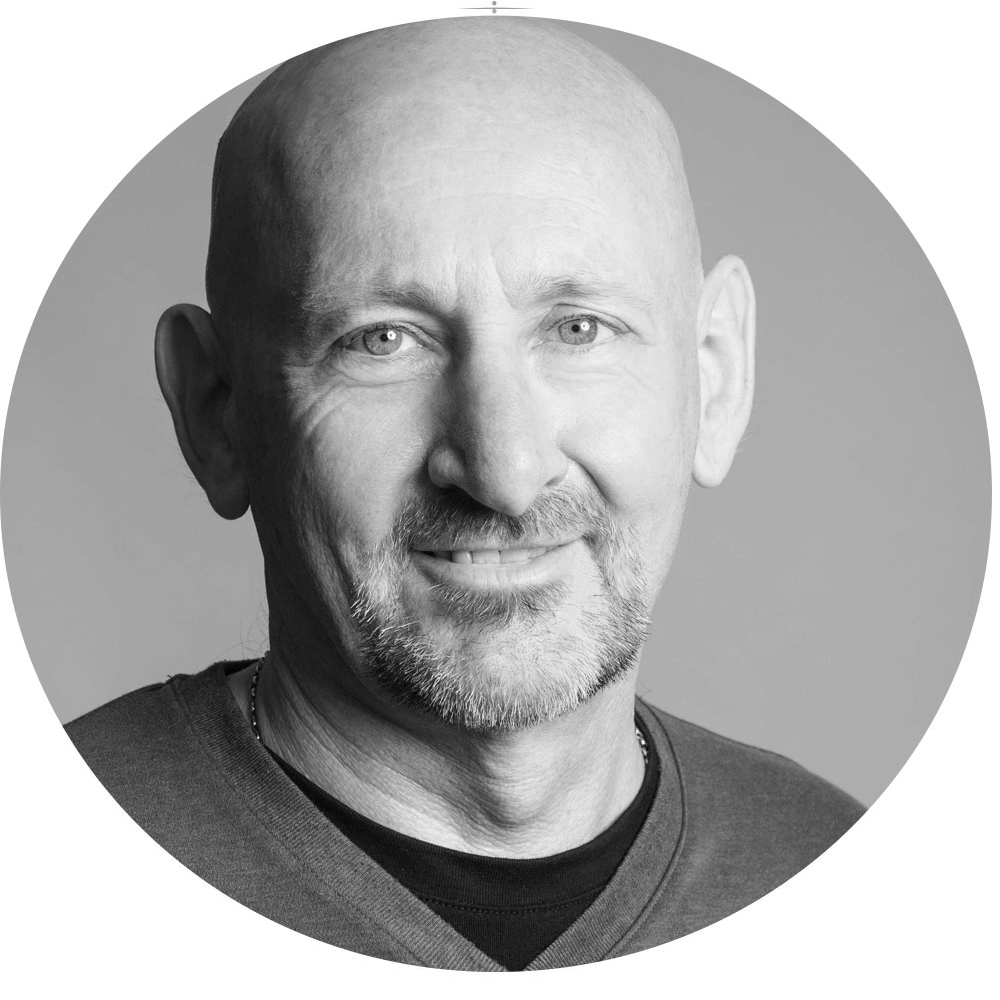
Mark Relf
Accessibility Solutions
Farah Madon
Vista Access Architects

Webpage
Salmon farming disclosures
We examined climate-related disclosures for Tassal, Huon and Petuna and identified four key gaps between disclosures and existing climate science and other...

Webpage
MekongELEVATE Research Partnership
MekongElevate is a four-year, multi-country initiative under the Mekong–Australia Partnership that seeks to strengthen the climate resilience of marginalised...

Webpage
Bioengineering Protein Nanocages into Multi-target Vaccines for Alzheimer’s Disease
Alzheimer's disease (AD) is characterised by the clumping of abnormal proteins in the brain, which increases over time and leads to worsening cognitive...
Webpage
Biotech start-up takes leap to regenerate Alzheimer’s damage
Australian biotechnology start-up Skin2Neuron found the perfect scientific and manufacturing partner to help their breakthrough cell-based treatment take root.
Webpage
Salmon farming disclosures
We examined climate-related disclosures for Tassal, Huon and Petuna and identified four key gaps between disclosures and existing climate science and other...
Webpage
MekongELEVATE Research Partnership
MekongElevate is a four-year, multi-country initiative under the Mekong–Australia Partnership that seeks to strengthen the climate resilience of marginalised...
Webpage
Bioengineering Protein Nanocages into Multi-target Vaccines for Alzheimer’s Disease
Alzheimer's disease (AD) is characterised by the clumping of abnormal proteins in the brain, which increases over time and leads to worsening cognitive...
Webpage
Biotech start-up takes leap to regenerate Alzheimer’s damage
Australian biotechnology start-up Skin2Neuron found the perfect scientific and manufacturing partner to help their breakthrough cell-based treatment take root.