

  • University of Technology Sydney home
  • Home

    Home
  • For students

  • For industry

  • Research

Explore

  • Courses
  • Events
  • News
  • Stories
  • People

For you

  • Libraryarrow_right_alt
  • Staffarrow_right_alt
  • Alumniarrow_right_alt
  • Current studentsarrow_right_alt
  • Study at UTS

    • arrow_right_alt Find a course
    • arrow_right_alt Course areas
    • arrow_right_alt Undergraduate students
    • arrow_right_alt Postgraduate students
    • arrow_right_alt Research Masters and PhD
    • arrow_right_alt Online study and short courses
  • Student information

    • arrow_right_alt Current students
    • arrow_right_alt New UTS students
    • arrow_right_alt Graduates (Alumni)
    • arrow_right_alt High school students
    • arrow_right_alt Indigenous students
    • arrow_right_alt International students
  • Admissions

    • arrow_right_alt How to apply
    • arrow_right_alt Entry pathways
    • arrow_right_alt Eligibility
arrow_right_altVisit our hub for students

For you

  • Libraryarrow_right_alt
  • Staffarrow_right_alt
  • Alumniarrow_right_alt
  • Current studentsarrow_right_alt

POPULAR LINKS

  • Apply for a coursearrow_right_alt
  • Current studentsarrow_right_alt
  • Scholarshipsarrow_right_alt
  • Featured industries

    • arrow_right_alt Agriculture and food
    • arrow_right_alt Defence and space
    • arrow_right_alt Energy and transport
    • arrow_right_alt Government and policy
    • arrow_right_alt Health and medical
    • arrow_right_alt Corporate training
  • Explore

    • arrow_right_alt Tech Central
    • arrow_right_alt Case studies
    • arrow_right_alt Research
arrow_right_altVisit our hub for industry

For you

  • Libraryarrow_right_alt
  • Staffarrow_right_alt
  • Alumniarrow_right_alt
  • Current studentsarrow_right_alt

POPULAR LINKS

  • Find a UTS expertarrow_right_alt
  • Partner with usarrow_right_alt
  • Explore

    • arrow_right_alt Explore our research
    • arrow_right_alt Research centres and institutes
    • arrow_right_alt Graduate research
    • arrow_right_alt Research partnerships
arrow_right_altVisit our hub for research

For you

  • Libraryarrow_right_alt
  • Staffarrow_right_alt
  • Alumniarrow_right_alt
  • Current studentsarrow_right_alt

POPULAR LINKS

  • Find a UTS expertarrow_right_alt
  • Research centres and institutesarrow_right_alt
  • University of Technology Sydney home
University of Technology Sydney home University of Technology Sydney home
  1. ... For students
  2. ... Graduates (Alumni)
  3. ... Your alumni community
  4. ... Alumni Awards
  5. Alumni Award recipients
  6. 2021

2021

explore
  • Alumni Awards
    • arrow_forward UTS Alumni Awards program
    • Alumni Award recipients
      • arrow_forward 2025
      • arrow_forward 2024
      • arrow_forward 2023
      • arrow_forward 2022
      • arrow_forward 2021
      • arrow_forward 2020
      • arrow_forward 2019 – 2006

Our 2021 UTS Alumni Award winners achieve excellence across a range of professional and academic backgrounds. They demonstrate the immense talent that exists within the alumni community, both professionally and in the broader community and exemplify the UTS core values — commitment to excellence, innovation, entrepreneurship and social justice.
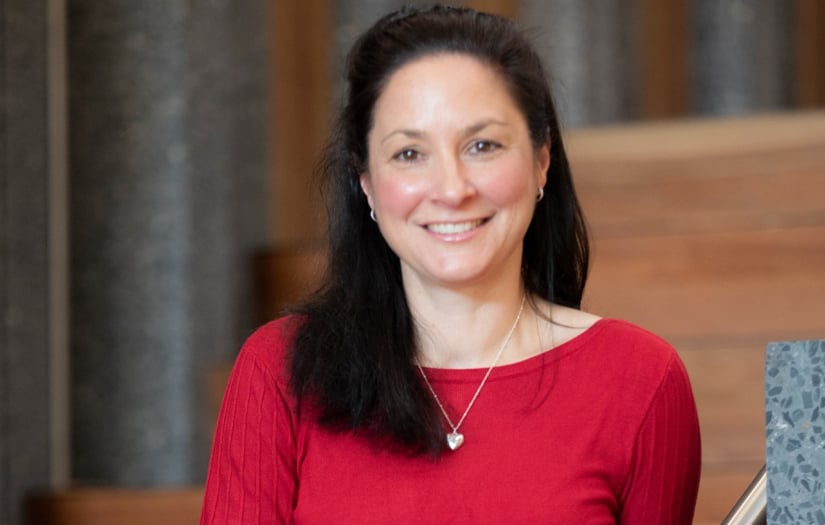
Meet your winners

Science Award and Chancellor's Award for Excellence

Woman smiling and looking at the camera in black and white

Dr Sarah Benson PSM
PhD Science, 2009; Bachelor of Science (Honours) in Applied Chemistry and Forensic Science, 2000

Dr Sarah Benson PSM is the Chief Executive Officer of Sport Integrity Australia (SIA), appointed by the Federal Government following her impactful leadership as Acting CEO and senior executive within the agency. Since joining SIA in 2023, Dr Benson has driven a nationally coordinated response to sport integrity issues, championing initiatives that safeguard sport from a broad spectrum of integrity threats.

She was the inaugural leader of the Safety in Sport Division, and architect of the Empowering Women & Girls in Sport Integrity Program—both pivotal in strengthening protections across all levels of Australian sport. Her strategic leadership continues to shape SIA’s evolution as a trusted national and global leader in sport integrity.

Prior to her role at SIA, Dr Benson served as Chief Forensic Scientist with the Australian Federal Police (AFP), leading a team of 350. Her forensic expertise supported major international operations, including disaster victim identification efforts following the MH17 tragedy and the White Island volcanic eruption.

Dr Benson holds a PhD in Forensic Analysis of Explosives and a Bachelor of Science (Honours) in Applied Chemistry from UTS. Her research has contributed to terrorism prevention and advanced forensic methodologies used in complex investigations worldwide.

In recognition of her contributions, Dr Benson received the Public Service Medal in the Queen’s Birthday Honours List (2021), the Science UTS Alumni Award for Excellence, and the UTS Chancellor’s Award for Excellence.

With deep expertise in science, operations, and international collaboration, Dr Benson leads SIA with a clear vision: to ensure trust, fairness, and safety in sport through to 2032 and beyond.

I would like to continue to strengthen the partnerships across industry and academia to ensure graduates continue to be workforce ready in an ever changing environment and to ensure fields of specialisation, such as Forensic Science, continue evolving through research and enhanced scientific knowledge in order to maximise impact to combat the threats in our criminal environments and keep the Australian community safe.

Arts and Social Sciences Award and Chancellor's Award for Excellence

Round black and white photo of a woman wearing glasses looking at the camera

Alana Valentine
Bachelor of Arts in Communication, 1983

Alana Valentine is one of Australia’s most highly respected playwrights whose visionary work puts the human experience squarely on centre stage.

Throughout her distinguished career, Alana has collaborated with a host of Australian communities to ensure a diverse range of marginalised voices are heard. With care and sensitivity, she has developed works with a long and original list of real people with real stories – including women incarcerated in managed care for being ‘uncontrollable’, prison inmates and their families, high school children who have been cyberbullied, flood victims, and Pitjantjatjara dialysis patients.

Her highest profile work, Parramatta Girls, was produced by Belvoir Street Theatre well before the Royal Commission into Institutional Responses to Child Sexual Abuse began. Other work that has toured extensively is Letters to Lindy and Head Full of Love, and The Sugar House will have its European premier at the Finborough Theatre in October 2021.

Alana has had three plays included on the NSW HSC Drama syllabus – Parramatta Girls, Run Rabbit Run and Shafana and Aunt Sarrinah – and published more than 20 works including two books of non-fiction. Her writing appears in numerous collections and anthologies. She has written for mainstream and independent television, produced short films and is an acclaimed multi-media artist, librettist and dramaturg, working with Bangarra Dance Theatre, Belvoir Theatre, Merrigong Theatre, Bunya (Film) Productions and the 2022 Adelaide Festival.

She has won countless accolades including four Australian Writers Guild awards, an AWGIE Award and a Churchill Fellowship. As co-writer, with Ursula Yovich, of Barbara and the Camp Dogs she won Best Musical and Best Original Score at the 2019 Helpmann Awards, the highest accolade of the Australian Entertainment Industry.

In 2021 Alana wrote and directed the Sydney Festival/Walkley Award series The Journalist Gene, innovatively incorporating interview panels as a performance element. In April 2022 Belvoir will present her commissioned play Wayside Bride about people who were married at the Chapel in Kings Cross.

You can never be too earnest or too individual if you want to succeed in the Australian theatre.

Alana's photo is courtesy of Vicki Gordon.

Community Alumni Award

Round black and white photo of a woman with shoulder length hair wearing glasses looking at the camera

El Gibbs
Bachelor of Arts in Communication, 2002

El is passionate about the meaningful involvement of people with disability in public policy and public life. She has devoted over fifteen years to working in policy, strategy and advocacy for the rights of people with disability and is a highly respected expert in the media and policy.

El was part of the team that campaigned to establish the Royal Commission into Violence, Abuse, Neglect and Exploitation of People with Disability — the largest of its kind in Australian history. Her live analysis of the Royal Commission hearings on Twitter made them markedly more accessible. El also presented evidence to in her role as director of media and communications for People with Disabilities Australia (PwDA), a national organisation run by and for people with disabilities.

She has also worked or consulted for government and NGOs on issues including family planning and social security. In 2015, she delivered a review of social media use during the Blue Mountains bushfires for the NSW Government, looking at innovative models for managing emergency information.

El has been a leading voice for people with disabilities and chronic illness since the COVID-19 pandemic began, establishing an information clearinghouse on Facebook which was an essential source of information for many. She has been recognised for her volunteer work, winning the Lesley Hall Lifetime Achievement Award at the National Awards for Disability Leadership in 2020.

An established speaker and writer, El’s work has been published by outlets including the ABC, Sydney Morning Herald, the Guardian, Overland and Eureka Street. She also has an essay in the book Growing Up Disabled in Australia, published in early 2021.

I am determined to see more disabled people leading the organisations that represent us, and for more of us to be building a world that fits disabled people, rather than expecting us to fit into a non-disabled one.

Design, Architecture and Building Award

Black and white round photo of a young woman looking off camera smiling

Emma Foster-Geering
Bachelor of Construction Project Management, 2013 

Emma’s achievements in the field of sustainability have made an impact on an international scale. She is an outstanding advocate who doesn’t hesitate to call out industries where sustainability has become a buzzword or exercise in ‘ticking the box’.

She specialises in helping businesses to manage the impact of their supply chains on biodiversity, and develop globally sustainable solutions. Based in London since completing her PhD, Emma was responsible for eliminating hazardous chemicals in luxury fashion brand Burberry's global supply chain. She then worked as Sustainability Manager with food and fashion giant Associated British Foods plc, leading the development and implementation of environmental sustainability at clothing retailer Primark.

Emma is now Director of Sustainability at Vivobarefoot, a minimalist footwear company.

Prior to re-locating overseas, Emma worked on high-profile construction projects in Sydney, including the Desalination Plant, where she oversaw environmental approvals, licenses and impact mitigation.

As a new graduate, she moved to Western Australia and spent many years managing the environmental impact of multi-billion dollar mining and infrastructure projects.

While at UTS, she did a cadetship that included developing an Environmental Plan for the Sydney Opera House.

Emma continues to make a significant contribution to public debate on the tension between commercial health and sustainability. Many of her roles to date have involved liaising with NGOs such as Greenpeace and WWF in the UK and the Wilderness Society and Landcare in Sydney.

A long-term volunteer, Emma constructed a school in a remote Aboriginal community as part of the UTS Construction for Developing Communities Project and also devoted time to the Sunflower Orphanage in Cambodia, where she taught English and built classrooms and communal eating areas.

UTS offered me such a unique start in a career in a subject that frankly did not even exist at the time. So it means an awful lot to be recognised for what I’ve managed to do with this innovating space as a result of the creativeness and confidence that was fostered during my time at UTS.

Engineering and Information Technology Award

Black and white circular photo of a man in a black shirt and jacket looking at the camera

Larry Diamond
Bachelor of Information Technology, 2004

Larry Diamond is the Co-Founder and Global Chief Executive Officer of Zip, a leading global Buy Now, Pay Later (BNPL) company providing fair and seamless solutions that simplify how people pay. Larry and Co-founder, Peter Gray, launched Zip in 2013 with the goal of disrupting the broken credit card model, using technology to create a transparent, fairer and more flexible alternative. Larry has led the company from its beginnings as an Australian fintech, to where it is today – an ASX200 company with over seven million customers globally and a $7 billion valuation.

Before deciding to disrupt the payments industry, Larry had spent 12 years working in retail, technology and investment banking, where he first saw the opportunity to digitise financial services with innovative products that bring customers and merchants together.

His career included two years at Deutsche Bank as a Senior Associate within the Corporate Finance team and three years as an Investment Banking Manager at Macquarie Capital. Today, Zip is a leading global BNPL player with a presence in 12 international markets with over 51,000 global retail partners and more than 7 million active customers globally.

00:01

hi everyone i'm emma from uts startups

00:04

and i'm really excited to welcome you to

00:06

uts startups festival 2021 a month-long

00:10

series of interactive experiences

00:13

live digital events and on-demand

00:15

resources to help you take your next

00:17

step in entrepreneurship uh but i'd like

00:20

to begin by acknowledging the gallagher

00:22

people of the euro nation upon whose

00:25

lands our city campus now stands

00:27

i'd like to pay respects to elders past

00:30

present and emerging acknowledging them

00:32

as the traditional custodians of

00:33

knowledge for this land and of course

00:35

that extends to whatever country you're

00:37

on around australia and the world and if

00:39

you know who that is feel free to pop it

00:41

in the chat

00:42

um so he doesn't really need an intro i

00:45

probably will do it anyway because

00:46

you're all here to see him

00:48

so larry diamond is the co-founder and

00:50

ceo of zip one of australia's most

00:53

successful startup companies uh zips a

00:56

buy now pay later product simplifying

00:58

the way people pay

01:00

launched only in 2013 with his

01:03

co-founder peter gray and it sought to

01:05

disrupt the very broken credit card

01:08

model using technology to create a

01:10

fairer more flexible alternative

01:13

zip now has over 7 million customers

01:15

globally and is valued at 4 billion

01:19

you might not know though larry is a uts

01:21

alumni holding a bachelor of information

01:24

technology and is also the recipient of

01:27

this year's uts alumni award for

01:29

excellence in the faculty of engineering

01:31

and i.t

01:32

uh so he's actually joining us from new

01:34

york at the moment where it's 10 30 at

01:36

night so we are incredibly grateful to

01:38

have him join us today

01:40

welcome larry how are things over there

01:43

yeah thanks thanks so much for uh having

01:45

me um

01:46

it's good you know look thankfully here

01:48

things are things are open so you know

01:50

my heart goes out to everyone back home

01:53

um

01:54

who uh you know where you guys are are

01:57

all and um yeah just uh

01:59

snuck away have to thank my wife for

02:01

giving me a couple of months to uh

02:03

integrate the teams and spend some time

02:05

here so i'm going well we'll live

02:07

vicariously through you

02:09

um but we only have about 25 minutes

02:11

with you so we'll dive right in um our

02:13

uts startups community has sent through

02:15

a bunch of questions and we'll get

02:17

through as many as we can

02:18

but of course we'll start with the early

02:20

days um you know in your study and

02:22

career you

02:24

went through the corporate route with

02:25

pwc

02:26

amex specific brands and then what

02:29

you've referred to as your formative

02:30

years at macquarie bank

02:32

but zip isn't actually your first foray

02:35

into the startup world

02:37

um after the gfc hit you bought a

02:39

t-shirt screen printing business in

02:41

sydney tell us a bit about those really

02:44

early days of entrepreneurship and what

02:46

you learned in that business that you

02:47

could apply to sip

02:50

yeah funny time so we uh

02:53

for one year in one day we were the

02:54

owners of a t-shirt printing factory in

02:57

rosebury um and

03:00

and actually sports while it was like

03:02

embroidery for the rugby and back back

03:05

to school um so i was so i'd never run a

03:08

business i was made redundant from

03:10

deutsche bank and my cousin actually

03:12

said hey

03:13

um we can buy a business and it needs a

03:15

bit of restructuring so i had you know a

03:17

lot of finance experience and um

03:20

basically we took over this business

03:23

which i hadn't really managed people

03:25

before even in investment banking maybe

03:27

one person right

03:28

so um

03:30

it was a great up you know we came in

03:32

one was going into administration the

03:33

other one we bought out of

03:34

administration and so a lot of that

03:36

finance experience allowed me gave me

03:38

the confidence to kind of do that and

03:40

you know there were 25 people the

03:42

printing 30 people at the embroidery we

03:44

had to manage people so i think what

03:46

that taught me um is that businesses

03:49

actually start and begin with with the

03:51

people you have to take care of people

03:52

take them on the journey explain the why

03:54

and

03:55

and i think that really gave me a lot of

03:57

that

03:59

empathy when you are managing change and

04:02

now zip there's change happening every

04:04

single day every single week

04:06

fantastic not quite what i was expecting

04:08

but you know people are

04:10

our most valuable asset really

04:12

um so after that you started developing

04:15

the idea that became zip how did you

04:17

identify that gap or opportunity and

04:20

what enabled you to develop that

04:21

opportunity into something more tangible

04:25

so i was

04:26

i was consulting to a good friend of

04:28

mine greg moshall who is the founder of

04:30

prosper which is one of the one of the

04:32

one of one of the great business lending

04:34

businesses here and while i was doing

04:36

that i saw that he was leveraging

04:37

technology to disrupt the world of

04:39

finance for business and i thought wow

04:41

wouldn't that be awesome if we could do

04:42

it for consumer i'm way more passionate

04:44

about consumer

04:46

and so

04:47

that's really where i got i got excited

04:48

by it i looked around to see if there

04:50

was anything else out there

04:52

there wasn't and i thought all right

04:54

we're kind of

04:55

on to something here and um

04:57

managed managed to find um i pitched

05:00

about 60 investors um to kind of raise

05:02

money and they said to me hey that's

05:04

really cool but you don't know anything

05:06

about credit i thought that's actually a

05:09

good point

05:10

and i and i met my founder but when we

05:12

were starting out i'll never forget um

05:14

because i studied at utsbit we did

05:17

database database design

05:19

um and i actually was looking to find a

05:21

technical co-founder but i couldn't and

05:23

i ended up just hiring an engineer out

05:25

of cba and so all the original database

05:27

design was from my rusty relational

05:30

tables which all the engineers still

05:33

cursed me for today

05:36

and and really look we saw opportunity

05:39

to leverage technology to really get to

05:41

know customers and underwrite them

05:42

really really quickly and um we would

05:44

have been really happy to build a

05:46

you know three million dollar business

05:49

i think that's really relatable because

05:51

you know

05:51

it shows that not every

05:53

successful company started out perfectly

05:56

we all started with some

05:58

little work around a little dodgy thing

06:00

here and there that you just made happen

06:01

and and built upon

06:03

but you mentioned your co-founder you

06:05

had somewhat of a unique um

06:07

way to find your co-founder and afr's

06:11

referred to the both of you as yin and

06:13

yang can you tell us how you actually

06:15

found your co-founder and how you're

06:16

both navigating startup life

06:18

together yeah so i think you know i

06:21

definitely wouldn't be here today had i

06:23

not met the love of my life the second

06:25

love of my life peter gregg uh but look

06:28

i ended up calling um

06:30

i went online looking we you know we

06:32

kind of met online i was looking online

06:33

for uh someone to join the company and i

06:36

found this guy that was that applied for

06:37

the for the credit job didn't know him

06:40

from a bar of soap and i think um what

06:42

you kind of realize over time is that

06:44

it's you know sometimes you can have you

06:46

can actually be the only founder and you

06:48

can have people below you

06:50

sometimes you need complimentary skills

06:53

and i think ultimately you have to be

06:55

really self-aware on what you're good at

06:57

what you're passionate about and equally

06:59

what you're not passionate about or some

07:01

of your weaknesses to create the jigsaw

07:02

and there's many ways to kind of create

07:04

the jigsaw um and uh you know pete was

07:07

10 years older than me

07:09

he'd been in consumer finance and you

07:11

know

07:12

all the serious stuff for about uh 10

07:14

years prior but we had

07:16

really the same values we love people

07:18

and we had we shared passion around

07:20

disrupting um and when he joined you

07:22

know i'll never forget like working out

07:25

is he the right partner you know when

07:27

you kind of start out the first day 12

07:29

30 comes he goes for a run

07:31

i said

07:32

i came home that night i said to my wife

07:34

i think i've partnered with

07:36

someone really like this is a fight for

07:39

survival he's going for a run the next

07:41

day he did the same thing and um and

07:44

then you realize you know

07:46

he needs to run to work things out as

07:48

part of as part of his kind of vibe and

07:50

it's been an incredible partnership and

07:51

i think ultimately because we've each

07:53

had our swim lanes and so together we

07:55

can actually cover um a lot of things

07:57

that you need to to build the business

07:59

but i think the call out is

08:00

find the jigsaw and every jigsaw is

08:03

totally different but you have to have

08:05

common values um ultimately

08:08

that's some great advice i hope

08:09

everyone's taking down some notes at

08:11

home

08:13

um and i guess so zip it is a unicorn

08:16

multiple times over now

08:18

but like every startup you started with

08:20

just one customer your first sale which

08:24

happened to be a 500 bicycle can you

08:26

talk us through how you actually went

08:27

about securing your first customer

08:31

yeah yeah i mean the and the other thing

08:33

is the journey is actually more

08:35

important than the destination there's

08:37

like no point going to the end and

08:38

having that billion dollar company

08:40

because it's actually what you learn

08:41

along the way that is way more valuable

08:44

and the good thing about founders is you

08:45

actually have to do everything right

08:47

from pitching i'd never been in sales

08:49

before

08:50

but because i was passionate about this

08:52

i actually was brave enough if you like

08:55

to pick up the phone i tried to hit my

08:57

networks

08:58

no retailers were popping out of the

09:00

networks and i think people kindly were

09:02

looking at us going you don't really

09:03

have a product

09:05

and managed to get to um chapelli cycles

09:08

to a friend of mine we pitched the idea

09:11

he liked it and i think when you're kind

09:13

of building startups you can't wait for

09:16

the finished product so you actually

09:17

have to build and fly at the at the

09:19

exact same time so you almost got to

09:21

sell knowing that you can deliver

09:24

and we started zip in june by december

09:27

we had we had brought on shapely and i

09:29

think the first day

09:30

we took the website down okay because we

09:32

were using an agency in

09:35

in in vietnam a guy named fung who was

09:37

awesome who couldn't speak great english

09:40

by the time we started but by the time

09:41

we finished he was he was flawless and

09:43

he became you know one of our greatest

09:45

wordpress developers um and but i think

09:49

just knowing that we were we were going

09:51

to iterate we said to him look we're not

09:53

going to have the perfect solution for

09:54

you day one but we commit to iterating

09:56

learning having that

09:58

you know that fast feedback cycle zip

10:00

back and we'll kind of just trust us to

10:02

kind of get there and i think when you

10:03

have that that that um open sense of

10:06

communication and are willing to go on

10:07

the journey nothing's perfect there's

10:09

always going to be problems and uh and

10:11

then we built from there

10:13

we're getting a little glimpse behind

10:14

the scenes here but can you broaden that

10:17

and paint a picture of what that first

10:19

year it looked like

10:22

yeah i mean um

10:23

so it started out just peter myself

10:26

neither of us had really started

10:28

businesses before

10:30

i came to work in ripped jeans and a

10:32

t-shirt pete came to work in a full suit

10:34

even though there were just two of us

10:36

working out of my brother's um

10:39

groupon office and it was really about

10:42

and we'd only raised 170 grand half of

10:45

it got spent on plugging into the

10:47

bureaus and all these things so we have

10:49

to work out what do we need to do to get

10:51

to the next gate now you can't do too

10:52

much what are the three things we have

10:54

to do

10:55

um set up the company get the licenses

10:57

build a prototype get the get the

11:00

merchant the customer and so every day

11:02

we'd come in and we'd just really narrow

11:04

down what we needed to do because we

11:05

were doing sales we were we were

11:08

building the product licensing customer

11:10

service

11:11

you know pete was taking applications

11:13

seven days a week between 7 a.m and 11

11:16

p.m and you end up doing everything

11:18

right

11:19

it was complete madness we were

11:20

expecting more money from our investors

11:22

to fund the loan book that wasn't

11:25

happening so

11:26

five grand worth of sales would kind of

11:28

go through over the weekend and we'd

11:30

have to drive around in our pickup truck

11:32

looking

11:33

looking for money from fred you know

11:35

fools family and friends any of the 3s

11:38

and um

11:39

and then we managed to get a cto

11:42

one of the founding team adam who was in

11:44

data science and the five of us would

11:46

just we could all do everything and all

11:48

we had all multiple hats and i think it

11:50

was actually a really

11:52

great time to to set up the business and

11:55

find the groove to give us the

11:57

confidence to move to the next gate but

11:59

it's crazy you work in and i think both

12:01

of us had just had our first child

12:03

large you know working from home a bit

12:05

so it's just complete chaos

12:08

but great times two babies at the same

12:11

time

12:12

one being your business one being an

12:13

actual baby that is

12:15

fun

12:16

you've spoken about the next gate you

12:18

know a few times um but

12:20

in those early days beyond the next gate

12:23

how big did you actually think the

12:25

company could become

12:28

you know as as first-time founders i

12:30

think for us we would have been

12:32

incredibly

12:33

um proud

12:35

had we

12:36

had we built a business that got to make

12:38

you know

12:39

10

12:40

10 million dollars like that would have

12:41

been absolutely incredible um

12:44

to build a business

12:46

identify product market fit find

12:48

customers that like the product are

12:49

willing to pay for the product and

12:52

and and kind of get there and what i

12:54

would say is often

12:55

you

12:56

we were quite fortunate that we were

12:58

solving a good problem at the right time

13:00

a lot of factors have a lot of external

13:03

factors often have to be there for you

13:06

as well right to kind of really make the

13:08

thing take off so you know if those

13:10

external factors weren't there for us

13:11

maybe it would only be 10 or 20 million

13:14

dollars but we'd be as passionate and as

13:16

happy about

13:17

about that result often you just need to

13:19

keep going because you don't know when

13:20

you're going to actually get a moment

13:22

that an industry changes or or or the

13:25

tailwinds really propel you forward so

13:27

as long as you're passionate and you can

13:29

keep coming to work and keep pushing

13:31

through you know hopefully it takes care

13:33

of itself

13:34

i might um be a bit cheeky here and ask

13:37

a question that has come through

13:39

if you can share any confessions so are

13:41

there any things about how you developed

13:44

the company or grew it in the early days

13:46

that you might not have shared at the

13:48

time but now in 2021 you can share some

13:51

of those things for others to learn from

13:56

um

13:57

there's lots of stuff i mean

14:00

there are i mean okay a great example is

14:04

that uh

14:06

we um we had a great back end engineer

14:10

um but we didn't have a great front-end

14:12

engineer to do the design the ui or all

14:15

that look and feel

14:16

look and feel and we and we um used uh

14:20

up work or it was um

14:22

prior to that it was called something

14:24

odesk um

14:26

and what we found out and so we

14:28

basically spent some money we got

14:29

screens designed what we didn't realize

14:31

is that

14:32

the person doing that had outsourced it

14:34

someone else had outsourced to someone

14:35

else and none of it actually plugged

14:37

into our our kind of back end so we

14:39

probably spent about

14:41

six months

14:42

just messing about trying to trying to

14:45

get this right um

14:47

the other the the other one so that just

14:48

shows you how like even us starting out

14:51

had just made so many mistakes we could

14:53

we could have got to a prototype way way

14:55

faster the other one i'd say is probably

14:57

when we were raising money we we raised

14:59

170 grand um we were now two years in

15:02

and we were out of money um i said to

15:05

the guys look i'm gonna have to cut

15:07

salaries which i cut for four out of the

15:09

five people and we went for six months

15:12

not not paying anyone or paying half

15:13

half salaries

15:15

and

15:16

we were kind of running we were kind of

15:17

getting to the end people were just at

15:19

their wits and we had two options option

15:22

one was an offer from a

15:25

a finance guy who basically would have

15:27

given us cash but it would have wiped

15:29

out the equity of all the other founding

15:31

team

15:32

well the other option was actually to go

15:33

public which is just that is another

15:35

crazy story

15:37

and we chose the crazier harder path

15:40

because the because people are so

15:42

important i think had we taken that it

15:43

would have been the easier option you

15:45

know probably easier for myself and pete

15:46

but if we would have removed equity from

15:48

you know all of the earlier guys and

15:50

that just wasn't an acceptable outcome

15:53

well thanks for sharing some of the raw

15:55

and real because i think quite often we

15:56

see startup stories and it's just the

15:58

polished end

16:00

product of an overnight success so it's

16:02

nice to hear some of these challenges

16:04

that you're facing early on and

16:05

continuing

16:07

um now on to some things where some of

16:10

our audience might really be able to

16:11

implement in their own startup um there

16:13

are some really heavy hitting by now pay

16:15

later players dominating australian and

16:17

global markets alongside zip

16:20

how did you go about differentiating

16:22

your brand and go to market strategy and

16:24

how has that changed over time

16:28

yeah so

16:29

probably probably a couple of things i

16:31

think you know we we started out with a

16:33

product that was great it was it was

16:34

good for bigger ticket items

16:37

couches furniture really disrupting the

16:39

old traditional

16:41

interest interest-free

16:43

but we realized that that wasn't going

16:44

to carry us the whole way forward and

16:47

as we were trying to sell that into

16:49

categories like marketplaces and shoes

16:51

where actually the bulk of

16:52

payments volume goes goes through we

16:55

realized we actually had the wrong

16:56

products and so we

16:59

we we we commissioned a few of our guys

17:01

to build a prototype um which was

17:04

wasn't even working at the time we were

17:05

pitching it to merchants and we kind of

17:08

pivoted really quickly to this to this

17:09

new product which actually gave us the

17:11

next um lifeblood

17:14

ultimately what i would say is you have

17:17

to continuously i mean the piece is that

17:19

one is nobody knows anything so you

17:22

you'll get lucky you might get lucky

17:24

with the first product

17:25

but you can't rest on your laurels you

17:26

have to continuously experiment

17:30

i think

17:30

thomas edison said you know genius is 99

17:34

perspiration one percent ins inspiration

17:38

there are no silver bullets you have to

17:40

and the faster you can actually

17:42

experiment get the feedback listen to

17:44

customers

17:46

you need to have the idea first and kind

17:47

of push it the faster you can remain

17:49

relevant and then i think underpinning

17:51

all of that is

17:52

and the earlier you do this i think will

17:54

work better is really identify what is

17:57

your purpose and what is your passion

17:59

and i think if if you can really anchor

18:01

around that that will be the guiding

18:03

light for you for the company product

18:06

design product innovation and give you a

18:07

lens through which to um to build

18:10

product and i think that's how we've

18:11

really differentiated here we've had a

18:12

strong focus on responsibility

18:15

when customers click our button we want

18:17

them to know that we have their back and

18:19

and our purpose is you know creating a

18:21

world where people can live

18:23

fearlessly today knowing they're in

18:25

control of tomorrow and i think you know

18:26

the sooner you can actually embed

18:28

purpose and who you are your identity

18:30

early on even if even it's just two of

18:32

you um i think that will propel you much

18:34

much much farther we knew it we probably

18:37

just didn't speak about it as a language

18:39

in the business as often as we do now

18:42

and as you've sort of gone about um

18:45

experimenting all the time um what have

18:48

been your biggest challenges as you've

18:50

scaled globally

18:54

um scaling globally which i'm doing now

18:57

is um

18:58

yeah it is full on okay because uh first

19:01

of all it's the first time we are doing

19:03

this

19:04

so you know we had a and what we've

19:06

tried to say to zipsters is

19:08

um you know our competitive advantage

19:11

needs to be our resilience to change

19:14

so have really good open dialogue teams

19:16

are going to change we're going to

19:17

reform we're going to change what we

19:18

need to to meet

19:20

the business needs for today going

19:22

global just breaks the brain we're still

19:24

trying to get it right in australia even

19:26

eight years in the right people and the

19:27

right roles the right

19:29

organizational architecture and now

19:31

now you go global so now i've got an

19:34

australian team here us team here and

19:36

i'm trying to work out how does the

19:37

regional how does the functional work um

19:40

and it's pretty hard like and so by

19:43

having good open dialogue setting goals

19:46

putting things in place for you know say

19:48

a quarter

19:49

and

19:50

almost be a self-learning organization

19:52

so we we may get it wrong we may get it

19:55

right okay we feel like it's probably

19:57

right in three months time let's sit

19:59

back let's work out what's working

20:01

what's not working what's missing what's

20:03

possible and let's

20:05

adapt the model and let's um and let's

20:07

do that and so we're continuously doing

20:08

that which is building

20:11

building the plane while we fly and

20:12

continue to drive growth customers and

20:14

all all that good stuff

20:16

so almost operating like an early stage

20:19

startup as you scale but just in a

20:21

different fashion as you go

20:23

and i think what we want to do is we

20:24

actually want to get back to the

20:26

beginning because it's the magic that

20:28

happens when you're small remember

20:29

imagine everyone's working together same

20:32

team same goals decision making is fast

20:35

and how do you do that at scale so what

20:37

we're actually trying to do now is as we

20:39

get bigger make the company even smaller

20:41

so

20:42

build you know autonomous teams which

20:44

are cross-functional that own different

20:45

parts of the customer journey

20:47

they're on microservices so they can

20:49

ship quicker they can make their own

20:51

decisions all under our purpose and kind

20:53

of okrs now that's much harder as you

20:56

get bigger so you've got to be much more

20:57

intentional around how you sort that out

21:00

interesting get smaller as you get

21:01

bigger um on that note though

21:04

yeah fantastic um in the chat i think

21:06

it's uh nicholas asked how did you know

21:08

it was time to tackle overseas markets

21:12

yes so when again when we started you

21:15

know a couple of aussie kids we didn't

21:18

when you go traveling normally go

21:19

traveling overseas to have fun right

21:22

like let's go backpacking around the

21:23

world the greek islands uk we never

21:26

thought we'd actually do business um we

21:29

never we thought it's just

21:31

it's too far away um and so a couple of

21:34

years ago we were we realized that hey

21:37

this thing's actually working um it's we

21:40

are a technology business

21:42

why not give this a crack and

21:44

you know the board said to us

21:47

i don't know if you're going to be able

21:48

to handle it

21:49

things are not working perfectly in

21:52

australia how's customer obsession how's

21:55

the merchant pipeline the technology is

21:56

still being rebuilt so there's just too

21:59

much going on and um

22:01

we said fair fair enough let's just like

22:04

restructure some of the team put some

22:05

people owning it and and and let's go so

22:08

actually two years ago we were just in

22:10

australia we saw this phenomenon and

22:12

that nothing had really happened in in

22:13

the western world but even in the

22:15

emerging markets to leapfrog

22:17

credit cards and traditional products

22:18

and offer awesome credit credit and

22:21

financial products to the population and

22:23

in two years we've gone to 13 markets

22:27

all via zoom really because it's been

22:29

it's been under the under the geyser

22:30

covered and to get there we've had to

22:33

use our warm networks trusted people

22:35

which has actually allowed us to

22:37

accelerate really really fast

22:39

um i'd love to try to squeeze in a

22:41

couple more audience questions as well

22:42

so maybe we'll move to somewhat rapid

22:45

fire

22:46

love this one um from

22:50

josh what made investors trust you

22:55

a good question so when i mentioned when

22:57

we first started i had never i'd also

23:00

never raised capital before okay so i

23:01

had this clunky investment banking

23:03

presentation because i came from the

23:05

investment banking world i wasn't you

23:07

know i wasn't a tech startup guy and

23:09

pitched 60 investors

23:11

and one of them said to me

23:14

look i'm not 100

23:15

confident or sure of what you're doing

23:17

but i really like you and p and i think

23:20

in the formative um years for kind of

23:23

startup reality is

23:25

it's probably 80

23:26

of the individuals and 20 percent the

23:29

idea because many startups

23:31

um might not get there and in and

23:33

generally you might this experimentation

23:35

is iterating this adapting this is

23:37

really how the team for formation is i

23:39

think that was the most sound advice

23:40

it's like he believed in us

23:43

because of our passion and our hunger

23:45

and less about the idea uh he's

23:46

obviously benefited greatly from that so

23:48

i think it's also about finding people

23:51

that really don't just take money for

23:52

the sake of it although that's good find

23:54

people that can get evangelical about

23:57

you and and what you're doing

24:00

so this one is maybe um moving a little

24:02

bit more personal but still relatable to

24:04

all startup founders

24:06

um

24:07

tell us about a time that you might have

24:08

failed or had a perceived you know sense

24:10

of failure and how you've navigated that

24:15

ah look there's been many times along

24:17

the way and in fact you know the

24:19

business breaks as as it gets bigger and

24:21

bigger um

24:23

failures happened uh

24:26

you know missing out on merchants right

24:28

and you know if i remember pitching

24:30

cogan and fantastic furniture in 2013

24:34

the year they joined us

24:36

2017 and 2018. so i think first of all

24:40

don't give up just like incredible

24:42

endurance because ultimately it's those

24:45

that endure that um that that kind of

24:47

make it make it to the end the other

24:49

time was when we were i'd say listed on

24:51

the

24:52

stock market we're just trading sideways

24:55

um

24:55

and uh

24:57

everyone's doesn't believe in us right

24:59

they they think we're not going to win

25:01

um and i think it's again if you're

25:04

truly passionate about what you're doing

25:07

that that also fuels fuels endurance so

25:09

i think make sure that you are really

25:11

passionate about your subject matter and

25:14

um and that it plays to your to your

25:16

strengths um you know don't just go

25:19

chasing the money because it's

25:20

it can be quite quite a long journey

25:22

you're going to go up you're going to go

25:23

down you need to wake up every morning

25:25

feeling super excited about what you're

25:28

up to rather than going and working for

25:30

the uh the evil corporation

25:32

and that requires real passion and fire

25:35

so we've got two more minutes i'll ask

25:37

two more questions one has come from ben

25:40

in the audience linking to what you've

25:42

just said now what would have to happen

25:44

for you to hang up the boots

25:46

that's a good juicy one ben that is a

25:48

good juicing one ben so i'm you know we

25:51

are eight years in all right i had no

25:54

gray hair when i started

25:56

um it doesn't look as great over here

25:59

with with my lovely background so

26:01

it's about

26:03

as long as we can preserve the things

26:05

that we really enjoy so i think if it

26:07

ever gets to a stage where i don't feel

26:09

happy to come to work

26:11

now

26:12

i like to rank every day as a zero a

26:15

minus one a zero or a plus one and i

26:18

think if you're generally in the zero to

26:19

plus one range things are good you're

26:21

going to go through tough times you know

26:22

and there are many moments when over the

26:24

years when

26:26

lots of people resigned for example we

26:28

lost lots of contracts the tech's not

26:30

working you are going to go up and down

26:32

up and down um

26:34

so i think for me it's if i ever come to

26:36

work and it goes for future time and i'm

26:38

just not happy right i don't feel like

26:40

i'm having an impact

26:42

there's um too much

26:44

bureaucracy you know in the evil

26:46

corporation which we won't let happen

26:49

so if i if i lose my passion

26:51

and don't feel like i'm making a

26:52

difference and one of the biggest

26:53

drivers for me is around

26:56

creating a playground at zip for people

26:58

to find their strengths and find their

27:00

passion and almost i believe if we can

27:02

do that we're going to have amazing

27:04

individuals and build an amazing company

27:06

so let's see how we go

27:08

also the other side of that is we are a

27:10

listed company and we have now fiduciary

27:13

obligations to kind of shareholders as

27:14

well so that adds another dynamic to the

27:17

equation

27:19

um so i guess your story and

27:22

success

27:23

is both inspirational and aspirational

27:26

but it can seem out of reach and

27:28

overwhelming for some people

27:29

so what advice do you have wrapping up

27:32

for early stage first-time founders or

27:35

even younger larry on how to take those

27:38

first steps in building a startup

27:42

so

27:43

probably you know i'll answer this in

27:45

two ways you know one is after i started

27:47

tech at university at uts

27:49

loved it um you know it really taught me

27:52

the power of technology

27:54

and i did that for a few years then i

27:56

moved into finance i did that for eight

27:57

years so we had the tech

27:59

we then had the fin and then when i

28:02

started fintech it's only when i look

28:04

back that i went oh wow i actually have

28:06

these two really awesome

28:08

super skills so i think first of all um

28:10

don't feel bad if you don't if you

28:12

haven't identified your strengths yep i

28:15

think you should actually go and

28:16

experiment have different experiences so

28:19

that you as long as it's adding

28:20

something new either something new that

28:22

you like or something that you kind of

28:23

don't like um so if you have to join the

28:25

evil corporation to do that don't feel

28:28

bad um

28:30

at the same time

28:32

on the startup side and starting

28:34

something out i think what is many

28:36

people just don't realize their

28:38

potential

28:39

right

28:40

and i think that's the mindset is the

28:43

growth mindset don't be afraid of what

28:45

other people say

28:48

reflect learn release the shackles and

28:51

everyone has a superpower and a super

28:53

strength and i think

28:55

many of you don't realize what you're

28:57

capable of

28:58

right and i think years ago when we

29:01

started we were scared of raising money

29:03

for investors

29:04

i think the founder is the most

29:06

important person very few people are

29:08

willing to take the risk

29:10

and so

29:11

and it's also you don't need to start

29:13

now if you feel you've got the idea and

29:14

you've got the team great otherwise keep

29:16

going and find a way to get there over

29:18

time

29:19

wow what a perfect way to wrap up thanks

29:22

larry i know i've learned a lot i could

29:24

speak to you for hours about this but

29:25

that was a really awesome 25 minutes and

29:28

uh we're all leaving leaving us wanting

29:30

more i hope everyone dialing in from

29:32

home um learned something as well he

29:35

might not hear your applause but i'm

29:37

sure he'll feel the love so everyone

29:38

please thank me and uh please join me in

29:41

thanking larry for his time and amazing

29:43

advice

29:45

virtual round of applause thank you very

29:47

much emma that was a good chat

29:50

thanks so much


Indigenous Australian Alumni Award

Round black and white photo of an indigenous woman smiling looking at the camera with arms folded

Karen Mundine
Bachelor of Arts in Communication, 1993

Karen has shaped the national journey towards a just, equitable and reconciled Australia. A proud Bundjalung woman, she has been involved in reconciliation for several decades, culminating in her appointment as CEO of Reconciliation Australia in 2017.

Born into a family that raised the bar in Aboriginal activism – her mother Kaye and two aunties, Olive and Ann, were trailblazers – Karen felt the pressure of expectation and responded by quietly learning, achieving and giving back.

Karen is known as a leader who will always preference action in social justice over public profile, and responsibility to community over individualism. She has been instrumental in the development of some of Australia’s watershed national events including the Apology to the Stolen Generations, Centenary of Federation commemorations, Corroboree 2000, and the 1997 Australian Reconciliation Convention.

Her work led to the development and implementation of the State of Reconciliation in Australia Report, and the Australian Reconciliation Barometer – documents upon which national reconciliation is based and measured.

She has more than 25 years’ experience in community engagement, public advocacy, communications and social marketing campaigns and has held senior public affairs and communications roles with federal government departments as well as with the Council for Aboriginal Reconciliation and Reconciliation Australia.

She is on the Boards of the Gondwana Children’s Choirs and the Australian Indigenous Leadership Centre, and previously held positions with the Mary Mackillop Foundation and the National Aboriginal and Torres Strait Islander Catholic Council.

International Alumni Award

Round black and white photos of a woman against a brick wall looking and smiling at the camera

Dr Rolanda Lam
PhD Science, 2018

Dr Rolanda Lam came to UTS as an international student, receiving three competitive PhD scholarships to work on an ARC Linkage Project to develop novel methods to detect fingermarks.

At the end of her studies, Dr Lam moved back to Canada and trained in her second specialisation, forensic toxicology. She continued her professional progression at the Royal Canadian Mounted Police (RCMP) in Ottawa and is currently the organisation’s only full-time research scientist in forensic identification.

Dr Lam embodies the UTS ethos of academic and industry engagement to the benefit of society. She is committed to developing and applying her science to make the world a safer and more just place. Her research improved the success rate for detecting fingermarks on difficult surfaces. This helped to improve crime resolution and, ultimately, increase public safety.

Her mentorship, supervision, and public outreach work demonstrates her commitment to the next generation of forensic scientists (and young scientists in general). Dr Lam mentored and supervised students and peers at UTS and continues to do so at the RCMP and with McGill University in Montreal.

In Sydney, her outreach included being a part of the Sherlock Holmes Exhibition at the Powerhouse Museum and giving forensic science workshops to high school students. In Canada, she gets involved with annual events such as Take Our Kids to Work Days and National Police Week.

Dr Lam has volunteered with various local and national organisations throughout her studies and career.  She is increasingly in demand on an international level – having her research presented to the International Fingerprint Research Group, being invited to join a panel discussion at an International Union of Pure and Applied Chemistry (IUPAC) Global Women's Breakfast, and recently being selected to become a Special Committee member for the International Association for Identification.

I want to lead by example and demonstrate to peers and aspiring forensic scientists how getting involved, sharing ideas, and being a part of the change can push us forward together to success.

Health Award

Round black and white photo of a woman smiling and looking at the camera

Melanie Briggs
Bachelor of Midwifery, 2010

Melanie is a trailblazer who is making a profound difference to the health of Indigenous mothers and babies in her region. A descendant of the Dharawal and Gumbaynggirr people, Melanie was the first endorsed Aboriginal midwife in NSW and is one of only two endorsed Aboriginal midwives in Australia.

Melanie is a senior midwife at Waminda South Coast Aboriginal Women’s Health and Welfare Corporation and heads up the Minga Gudjaga 'Mother and Baby' Maternity Service. Recognised as a model for ‘Closing the Gap’, Waminda is Aboriginal-led and community controlled, and guided by the principles of self-determination. Melanie is the lynch-pin of the maternity service, providing cultural guidance and leadership to other midwives and members of the research team.

A keystone of Waminda’s service is the innovative Birthing on Country program. Melanie has worked on the program for the last five years and was involved in its development. The ground-breaking program is designed to profoundly improve maternal, infant and child health and life outcomes. It empowers Indigenous women to have more control over the birth of their babies and will ideally be rolled out to other regions.

Melanie also spearheaded a campaign to gain visiting rights at her local hospital in order to ensure women in her care were provided with a culturally safe birthing environment. Her campaign led to a statement of commitment being signed with the Illawarra Shoalhaven Local Health District (ISLHD) – possibly the only one of its kind in Australia.

I want to see Aboriginal women birthing on their homelands, claiming their sovereign birthing rights, practicing traditional lore and continuing cultural connections to country for their baby and their families.  Aboriginal women and families being valued, respected and validated for their knowledge of over 60,000 years of birthing bloodlines of the oldest living civilisation on earth.

Melanie's photo is courtesy of Marley Morgan, Barefoot Photography. 

Law Award

Black and white round image of a woman in a hijab holding a book

Amani Haydar
Bachelor of Arts in Communication (Social Inquiry) Bachelor of Laws, 2012

Amani Haydar is a lawyer, writer and artist who makes a remarkable contribution to the community through her professional, volunteer, creative and advocacy work – despite having faced incredible trauma in her personal life.

Amani has been a passionate advocate and campaigner for ending violence against women since her father murdered her mother in 2015. She takes a multidisciplinary approach to raising awareness about gender-based violence, law, policy and the effects of structural inequality on women.

She serves on the board of the Bankstown Women’s Health Centre and in this capacity she worked with her local MP to lobby for changes to the law to allow for victims of domestic violence to access support. She has drafted submissions to the NSW Sentencing Council and advocated for changes to Parental Leave legislation.

She has also been an Artist in Residence at Sweatshop, a literary movement devoted to empowering culturally and linguistically diverse communities through reading, writing and critical thinking.

Last year Amani was named 2020 Local Woman of the Year for Bankstown and was a finalist for the NSW Premier’s Woman of the Year Award. A Community Recognition Statement was also tabled in NSW Parliament in recognition of her advocacy. Amani’s writing and illustrations have been featured in a range of publications including ABC News Online and SBS Voices. She has contributed to a Walkley Award winning journalism series and been a finalist in the Archibald Prize for her painting. Her debut memoir was published by Pan Macmillan in June 2021.

Amani was carving out a successful career as a litigator when her mother was murdered. Prior to graduating, she was a stand-out student at UTS who was already committed to making a difference.

I would like to see greater sensitivity towards victims of crime and a deeper appreciation of the factors that shape the experience of homicide victims and witnesses in the legal process. I’m interested in how we might provide more holistic responses to people who have trauma as a result of crime victimisation.

UTS Business School Award

Round black and white photo of a business man in a suit looking at the camera

Don Koch
Master of Business (Banking and Finance), 1995; Graduate Diploma in Banking and Finance, 1994; Graduate Certificate in Finance, 1993

Don Koch is an accomplished leader with global expertise in the finance sector – particularly digital banking, where he specialises in creating value by focusing on shareholder and customer outcomes.

His stakeholder and regulator relationship skills, combined with international cross-cultural awareness and market knowledge, have been utilised in senior executive roles at banks around the world.

Don started his career with various roles at the Commonwealth Bank, before progressing to Citibank before joining ING in Australia in 1999. He was the CIO and technical leader of the program to launch ING Direct in Australia and Italy. He then became Chief Operating Officer in Poland, then India, and then in Thailand with TMB Bank PCL. Don was then appointed CEO and managing director of ING DIRECT in Australia, which was followed by similar roles at ING Italia and ING Asia. He is currently Non-Executive Director and the Chairman of BNK Group; as well as Chair of the Remuneration Committee.

He is also a member of the Board of Glaucoma Australia and a Governor of the Research Foundation at the Cerebral Palsy Alliance.

Don is a highly valued member of the UTS Business School community. He is a member of the Business School’s Industry Advisory Board, regular guest speaker at UTS events and a mentor to staff and students. Together with his wife Jennifer, Don recently created a scholarship to support rural female candidates who may not have the financial means to study in Sydney.

UTS helped me to get over that barrier of thinking that university coursework is not pertinent. I’ve since done one of the micro credentials – Managing Technological Disruption which provided additional skills and tools to broaden my thinking around problems and challenges that need to be solved and how to use those tools in a non-conventional way.

Young Alumni Award

Black & White photo of a man in a suit looking at the camera in a circle

David Brennan
Bachelor of Business, 2012

David Brennan is a senior executive in the investment management industry and a seasoned non-executive director across the finance services, healthcare and not-for-profit landscapes in Australia, Singapore and New Zealand.

David began his investment career at Macquarie Bank as a graduate and currently serves as the Principle - Business Development at AustralianSuper, which is Australia’s largest superannuation fund and one of the largest pension funds globally.

As treasurer of the foundation, A Start in Life (which supports disadvantaged young people in rural areas), he set about aligning the organisation’s financial and strategic goals.

As a young member of the Financial Services Institute of Australasia, he helped establish mentoring and professional development events for his peers in the industry. He is now a Fellow of the Institute.

He was also the founding Chairman of the Dry July Foundation, which raises money for cancer support services and now operates in several countries.

More recently, David has focused on organisations whose goals align with his passion for health. He believes in ‘exercise as medicine’ and is currently Chair of the Australian College of Sport and Exercise Physicians.

As Director of the Society for Hospital Pharmacists Australia, David helps address issues such as the opioid epidemic. The wellbeing of doctors is in his sights as Chair of Doctors Health Service Australia. He also sits on the Board finance committee at the Royal Australian and New Zealand College of Obstetricians and Gynaecologists (RANZCOG) and promotes equal access to healthcare for all women.

I find I’m now in a position to help educate investors, both large and small, about how they can impact things like the environment or the community by making values-based choices on how they invest their savings or superannuation. The allocation of capital is an effective way to help big business understand expectations on not doing harm and focusing on good for the community.

*Alumni Award profiles written at the time of the Awards Presentation in 2021.

Acknowledgement of Country

UTS acknowledges the Gadigal people of the Eora Nation, the Boorooberongal people of the Dharug Nation, the Bidiagal people and the Gamaygal people upon whose ancestral lands our university stands. We would also like to pay respect to the Elders both past and present, acknowledging them as the traditional custodians of knowledge for these lands.

University of Technology Sydney

City Campus

15 Broadway, Ultimo, NSW 2007

Get in touch with UTS

Follow us

  • Instagram
  • LinkedIn
  • YouTube
  • TikTok
  • Facebook
  • WeChat

A member of

  • Australian Technology Network
Use arrow keys to navigate within each column of links. Press Tab to move between columns.

Study

  • Find a course
  • Undergraduate
  • Postgraduate
  • How to apply
  • Scholarships and prizes
  • International students
  • Campus maps
  • Accommodation

Engage

  • Find an expert
  • Industry
  • News
  • Events
  • Experience UTS
  • Research
  • Stories
  • Alumni

About

  • Who we are
  • Faculties
  • Learning and teaching
  • Sustainability
  • Initiatives
  • Equity, diversity and inclusion
  • Campus and locations
  • Awards and rankings
  • Leadership and governance

Staff and students

  • Current students
  • Help and support
  • Library
  • Policies
  • StaffConnect
  • Working at UTS
  • UTS Handbook
  • Contact us
  • Copyright © 2025
  • ABN: 77 257 686 961
  • CRICOS provider number: 00099F
  • TEQSA provider number: PRV12060
  • TEQSA category: Australian University
  • Privacy
  • Copyright
  • Disclaimer
  • Accessibility