


- Posted on 30 Oct 2026
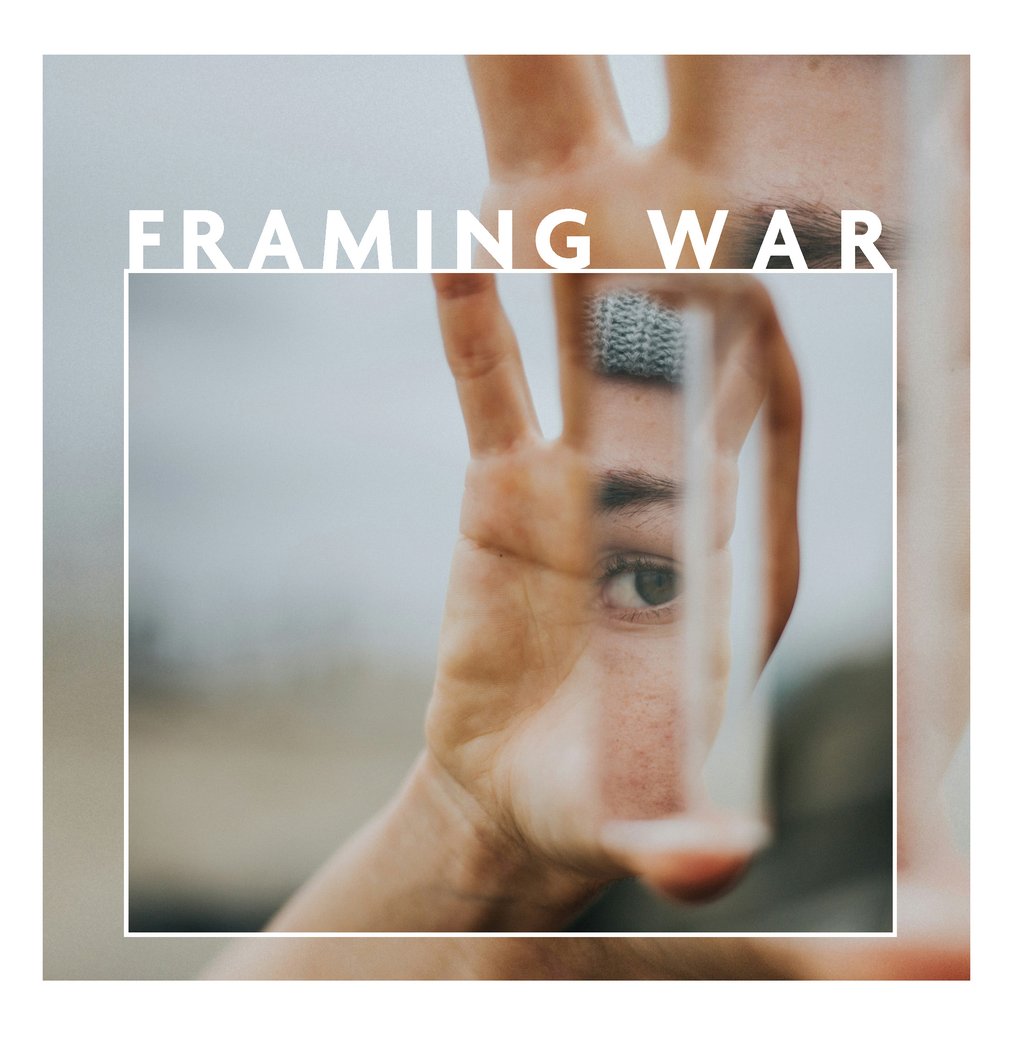
Since the October 2023 Hamas attack on Israel and during Israel’s now three-year-long retaliation against Gaza, the questioning of how this conflict has been reported has intensified. Journalism’s traditional commitment to objectivity has been on trial. By contrast, before the outbreak of the latest iteration of the Israel–Gaza war, the Russian military attack on Ukraine was reported largely without popular criticism. As a result of the difference in how the reportage of both wars has been characterised – one as biased, the other as justified – CMT undertook a study of the framing choices made by four Australian media outlets in their coverage of these wars.
We surveyed the news outputs of The Australian, the ABC, The Guardian, and 9News.com.au over specified, high-profile events, to gauge how each dealt with the dominant narratives emerging from the main parties to the conflicts.
Our results show greater framing plurality and change over time in the coverage of the Israel–Gaza war. All but one of the media outlets we surveyed, at first, closely engaged with Israeli narratives, and, as the conflict progressed, amplified the humanitarian consequences to the Palestinians in Gaza. The Australian was the only outlet to continually privilege Israeli perspectives, particularly of Israel’s victimhood, security, and self-defence and to marginalise those of the Palestinians, including historical background across the articles we sampled. The Australian was also the only outlet to align pro-Palestinian advocacy with narratives of antisemitism and social division.
In coverage of the Russia–Ukraine war, our results show distinct asymmetry in engagement with and treatment of the narratives emerging from both sides. Western and Ukrainian narratives were continuously dominant across coverage by all four outlets surveyed, predominantly voiced by Western and Ukrainian sources, while Russian narratives received limited and more often no interpretive authority. As a result, narratives supported by Western governments were privileged, whilst historical and geopolitical complexity was significantly downplayed.
Author
Co-Director, Centre For Media Transition, Faculty of Design and Society
Explore
News
Fiona Katauskas on no-go zones in political cartooning
In the latest episode of our Double Take podcast, Alena speaks with cartoonist, Fiona Katauskas.

News
Freedoms ebb as platform ombud hangs by a thread
Centre for Media Transition newsletter - Freedoms ebb as platform ombud hangs by a thread | Issue 20

News
Giving consumers somewhere to turn to when online services get it wrong
David Cazzulino and Stef Roberts-Thomson from the Telecommunications Industry Ombudsman explain why an independent ombudsman and a private right of action can...

News
Showdown over the digital duty of care
CMT Co-Director Derek Wilding looks at the current state of the Bill to introduce a digital duty of care into the Online Safety Act.
News
Fiona Katauskas on no-go zones in political cartooning
In the latest episode of our Double Take podcast, Alena speaks with cartoonist, Fiona Katauskas.
News
Freedoms ebb as platform ombud hangs by a thread
Centre for Media Transition newsletter - Freedoms ebb as platform ombud hangs by a thread | Issue 20
News
Giving consumers somewhere to turn to when online services get it wrong
David Cazzulino and Stef Roberts-Thomson from the Telecommunications Industry Ombudsman explain why an independent ombudsman and a private right of action can...
News
Showdown over the digital duty of care
CMT Co-Director Derek Wilding looks at the current state of the Bill to introduce a digital duty of care into the Online Safety Act.