


- Posted on 24 Jun 2026
- 8-min read
PhD candidate Zoe de Castro explores what food justice really looks like when food is culture, identity, and power — not just fuel.
Food isn’t just what’s on the plate. It’s who gets to choose, access, and belong.
We sat down with ISF PhD candidate Zoe de Castro to explore what food justice really looks like in Greater Western Sydney — and why it’s about far more than nutrition.
What does food justice actually look like in everyday life?
“Food justice means everyone has equitable access to food that is healthy, affordable and culturally appropriate,” Zoe explains.
For culturally and linguistically diverse families in Greater Western Sydney, that means being able to source nourishing food through local networks that support farmers and regenerate ecosystems. It also means having a real say in how food systems work — backed by fair wages and adequate welfare.
At its core, she says, it’s about more than access.
Food justice involves dignity and choice — where families are not forced to rely on emergency food relief, but are empowered to sustain culturally meaningful food practices that support health, wellbeing and social connection.
Have you come across any surprising or creative ways communities are sourcing affordable, culturally-appropriate food?
Some of the most powerful examples are happening quietly on the city’s fringes.
Zoe points to Bangladeshi-run market gardens in Austral and Leppington, where more than 50 varieties of culturally significant produce are grown and sold — from long melon and snake gourd to taro leaves and mustard greens.
These spaces are more than farms. They’re cultural lifelines.
Families travel across Sydney and even interstate to access ingredients that keep traditions alive and meals meaningful.
Food justice can feel like a big concept. What’s a simple example that really brings it to life?
For Zoe, the cracks in the system became clear while working at a biodynamic farm gate shop.
On the surface, it was doing everything right: sustainable practices, strong community values, high-quality produce. But over time, she noticed who wasn’t there.
Access relied on time, mobility, income, and familiarity with Western foods. These were the barriers that quietly excluded many people.
The experience revealed a bigger truth: even well-intentioned systems can leave people out.
Real food justice means recognising how race, class, location, gender and ability shape what ends up on the table.
If you could redesign the food landscape of Greater Western Sydney from scratch, what’s the first thing you’d change?
Right now, Zoe sees a lack of diversity as a key vulnerability in Australia’s food landscape.
A system dominated by a handful of major players limits choice, squeezes producers, and leaves communities exposed to shocks like pandemics and climate events.
A fairer future, she says, would strengthen local producers, support smaller retailers, and create a food system that is more diverse, resilient and locally grounded.
If you had to bust one myth about food systems or food access in Australia, what would it be?
“One common myth about food systems in Australia is that access to “healthy” eating is culturally neutral.”
Zoe’s research pushes back on this idea. Many food policies and guidelines are built around Western norms, overlooking the diversity of how communities actually eat.
From English-only supermarket aisles to standardised dietary advice, these systems can create unintended barriers instead of improving access.
A truly inclusive food system, she argues, needs to reflect the diverse linguistic, cultural and social realities of multicultural Australia.
News
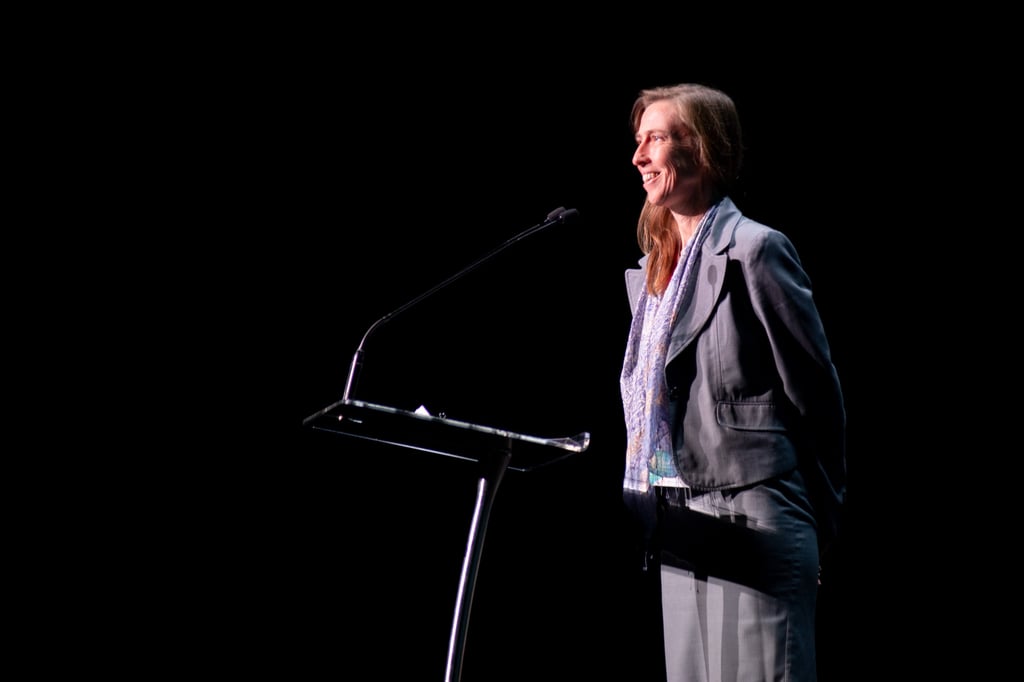
Professor Juliet Willetts appointed UN Special Rapporteur on human rights to water and sanitation
Professor Juliet Willetts will bring more than two decades of water and sanitation research and practice to her new role as a United Nations Special Rapporteur.
News
Liquid gold: could we turn our pee into fertiliser?
For thousands of years, human urine has had real value.
News
Australia’s EV sales are skyrocketing. Our charging infrastructure may soon struggle to keep up
Tighter regulation and careful planning will ensure our public chargers actually work.

News
Australia's first roadmap helps investors tackle the hidden carbon in buildings and infrastructure
For years, investors have focused on the emissions generated when buildings are operating.
News
Professor Juliet Willetts appointed UN Special Rapporteur on human rights to water and sanitation
Professor Juliet Willetts will bring more than two decades of water and sanitation research and practice to her new role as a United Nations Special Rapporteur.
News
Liquid gold: could we turn our pee into fertiliser?
For thousands of years, human urine has had real value.
News
Australia’s EV sales are skyrocketing. Our charging infrastructure may soon struggle to keep up
Tighter regulation and careful planning will ensure our public chargers actually work.
News
Australia's first roadmap helps investors tackle the hidden carbon in buildings and infrastructure
For years, investors have focused on the emissions generated when buildings are operating.