As the energy shocks of the Iran war ripple out, Australia’s leaders have scrambled to shore up supplies of fuel – especially diesel and aviation fuel.
Disruptions to fuel supplies have happened before, such as in 2008 and 2022. This disruption won’t be the last.
What should policymakers do? One option is to ramp up local production of biofuels made not from crude oil but from natural oils such as canola, animal fats – or algae.
As algae researchers, we believe these humble organisms are worth exploring. Making biodiesel and sustainable aviation fuel from these fast growing organisms can be done with much less land than other crops. Technological advances mean the fuel could scale up.
Many biofuels come with trade-offs
Biofuels have gained traction worldwide as efforts to reduce dependence on fossil fuels and meet climate targets accelerate.
The Australian biofuel sector is relatively small. Farmers exported about 6 million tonnes of canola in 2023–24 to be turned into biofuels overseas.
The Australian government last year announced A$1.1 billion in incentives to boost low-carbon fuels such as biofuels.
Biofuels from corn, soybean, canola and palm oil have boosted fuel security in some nations. Brazil produces 22% of its own transport fuel from biofuels, while biofuels account for 6% of the fuel used in the United States.
The problem is, biofuels often come at an environmental cost. A third of all US corn is used to make ethanol for fuel.
What’s so good about algae?
The type we’re interested in are microalgae, single-celled organisms, not macroalgae such as kelp and other types of seaweed.
These small organisms can grow exceptionally rapidly and hold high concentrations of oils. Many microalgae species can double their weight every day. Nannochloropsis and Chlorella are the two main types used to make oil.
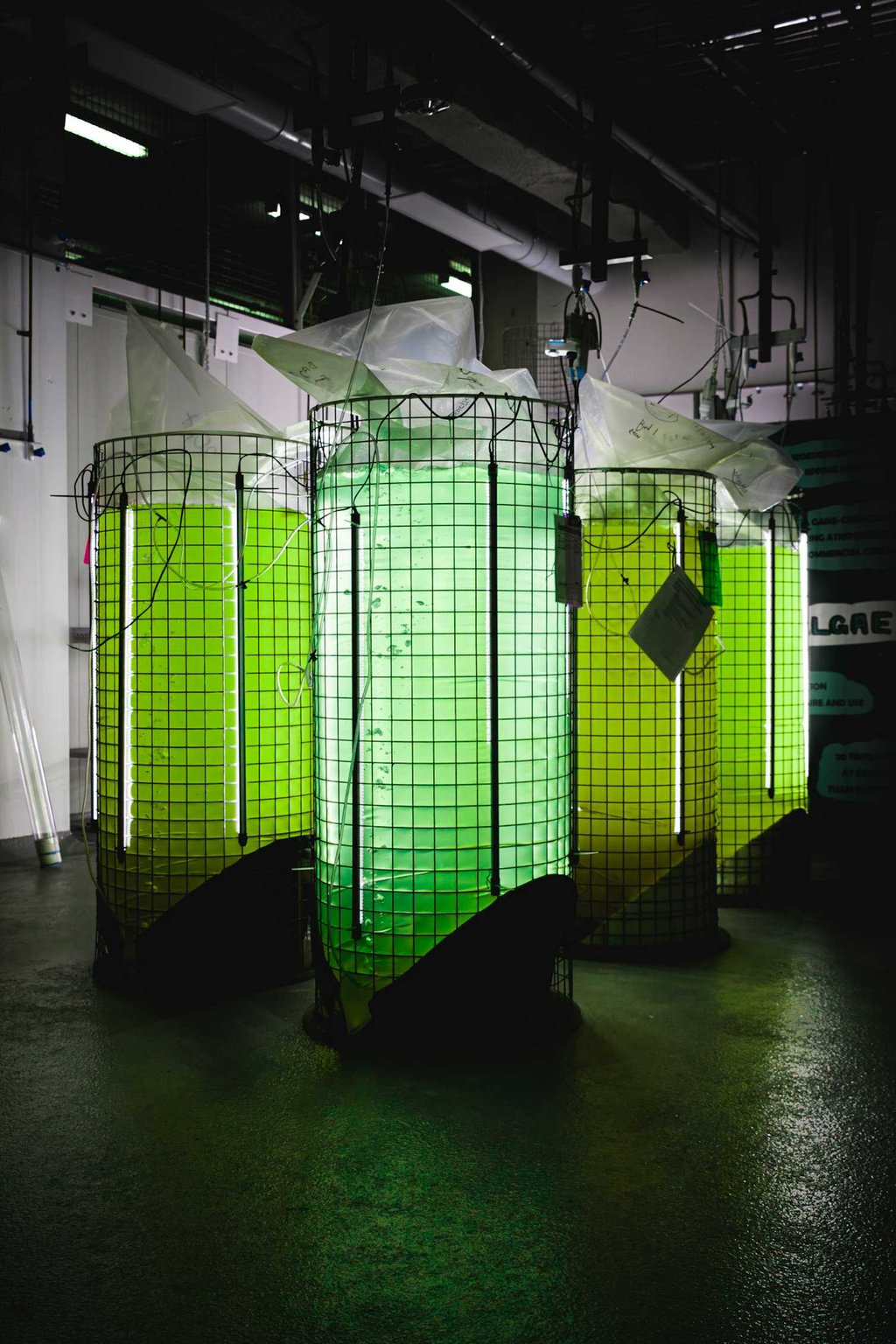
Traditionally, algae was grown in large, shallow outdoor pools called “raceways”. They’re now increasingly grown in high-efficiency algae bioreactors.
Algae can be processed using proven technologies such as hydrothermal liquefaction to produce biodiesel able to be used in existing trucks and machinery. It can also produce sustainable aviation fuel.
Compared to crop-based biofuels, algae has several advantages. It doesn’t compete with food production and it can be grown on non-arable land or in industrial facilities. Some species can grow in saltwater or even treat wastewater while using it for growth. If algal facilities are located near heavy industry, carbon emissions can be captured and used for algal growth in a form of carbon storage.
Algal fuels needs much less land than conventional biofuels. A hectare of algae can yield more than 58,000 litres of oil per year. By contrast, a hectare of corn produces just 172 litres.