


- Posted on 13 May 2026
- 3 mins 30 sec read
In a landmark moment for global health partnership and a powerful affirmation of the importance of collaboration – the Government of France hosted the first ever Global Forum of WHO Collaborating Centres (WHO CCs) in Lyon between April 8-9, 2026.
More than 800 WHO CCs across 80 countries attended, with 85 participants representing the Western Pacific Region’s Centres. WHO CCNMH Director, Professor Michele Rumsey was also in attendance.
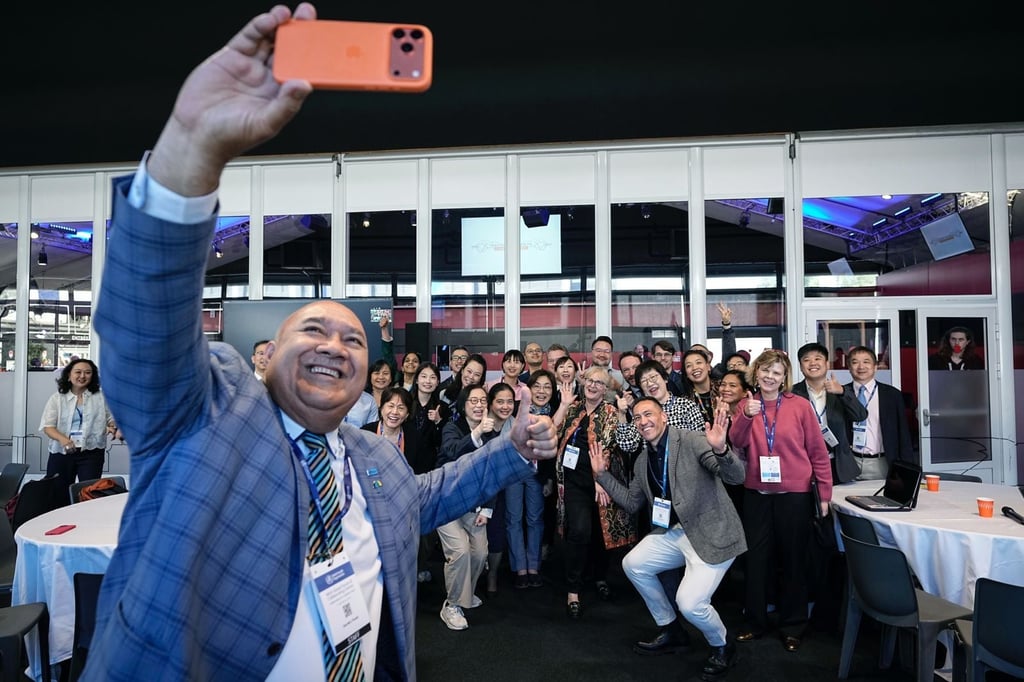
Shaping the new global health architecture
The WHO CCNMH’s presence was a significant representation of the nursing and midwifery workforce, as the only nursing and midwifery WHO CC in Australia, and the current Secretariat of the Global Network for Nursing and Midwifery WHO CCs.
The Forum explored how WHO CCs can help shape the new global health architecture — and Dr Saia Ma'u Piukala, Regional Direcor of WHO Western Pacific representing >190 WHO CCs captured the region’s cross-roads as follows: balancing the frontiers of digital health, genomics and AI-enabled tools with the realities faced by countries where health workforces remain stretched and resources constrained, an issue that sits at the core of the Pacific nursing and midwifery workforce.
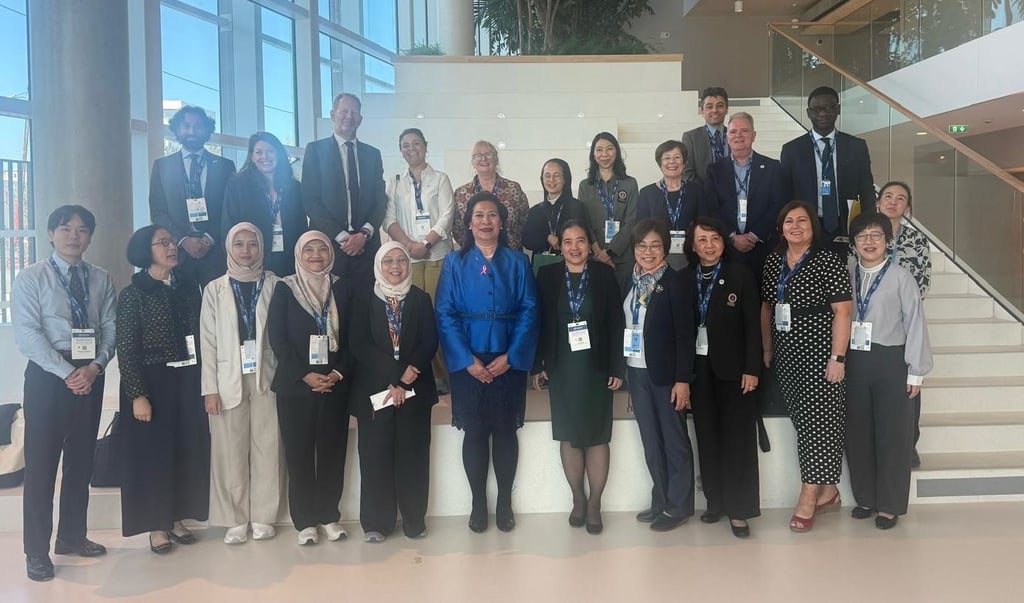
Shining a light on Pacific workforce needs
As such, the Forum presented a platform and opportunity to situate and orient the works being done in the Pacific, and to bring to light Pacific nursing and midwifery workforce needs.
Professor Rumsey met with Dr Amelia Latu Afuhaamango Tuipulotu (WHO Chief Nurse) and other key stakeholders at the WHO Academy for discussions on evidenced-based nursing and midwifery health workforce needs such as continuing professional development.
Additionally, Professor Rumsey also met with Howard Catton (CEO of the International Council of Nurses), addressing lack of representation at global health policy decision-making stages, nursing capacities that are falling short of health demands, and other persisting issues.
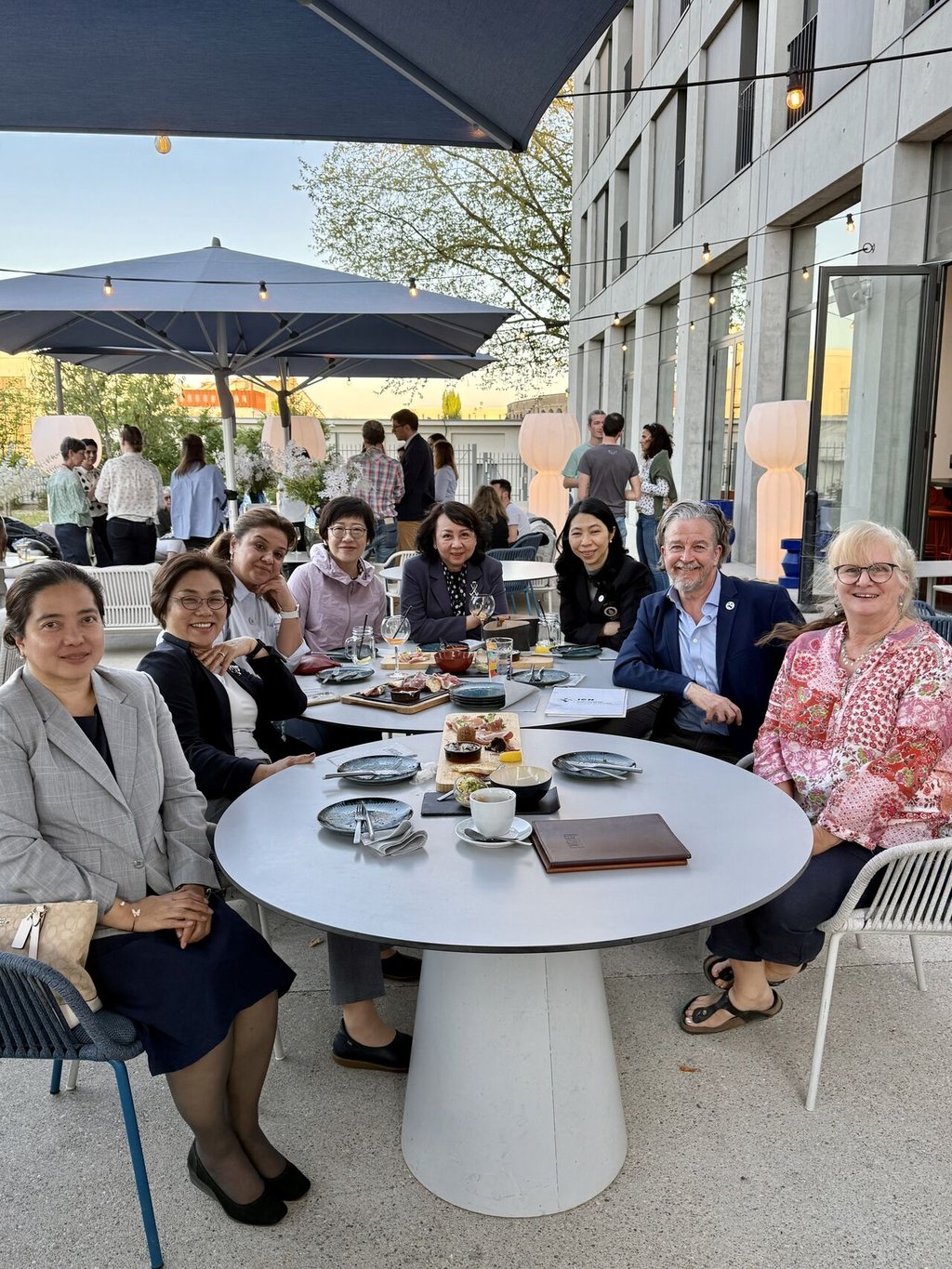
When WHO CCs are aligned to priorities, organised through networks, and co-designed with countries, they become one of WHO's strongest instruments – delivering not only scientific excellence, but equity, resilience and impact – where it matters most.
With nurses and midwives making up 86% of the regulated health workforce in the Pacific, it is crucial that their representation continues to grow at these global forums, and extend towards decision-making tables.
This historic Global Forum may be the first, but it opens doors towards enhanced partnerships and relationships, a stronger global health network, and stages where Pacific nursing and midwifery voices can be heard.
News
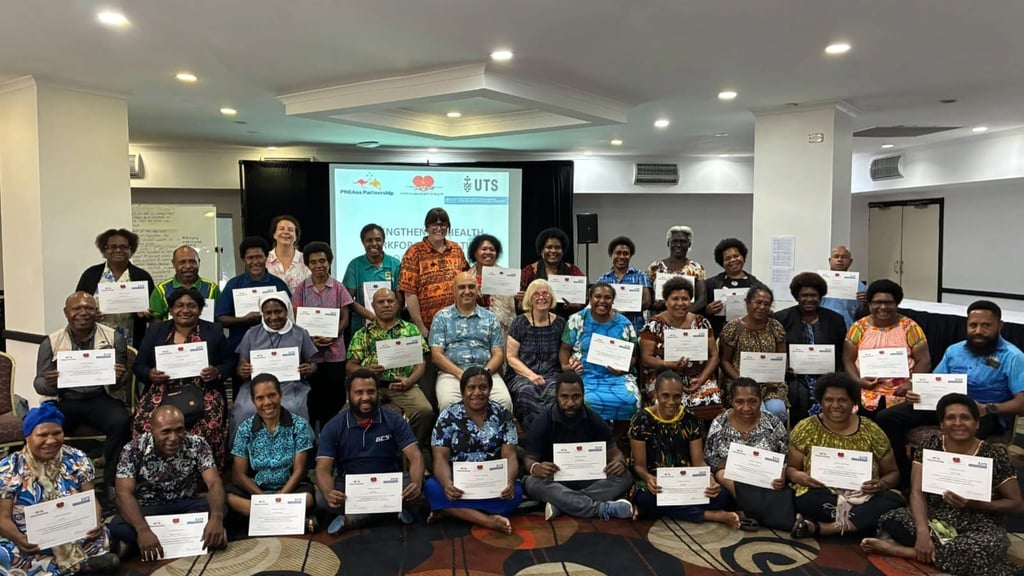
Strengthening Health Workforce Education at the University of Papua New Guinea
From 3–7 November 2025, the WHO Collaborating Centre for Nursing, Midwifery & Health Development (WHO CCNMH UTS) delivered an intensive Continuing Professional...
News
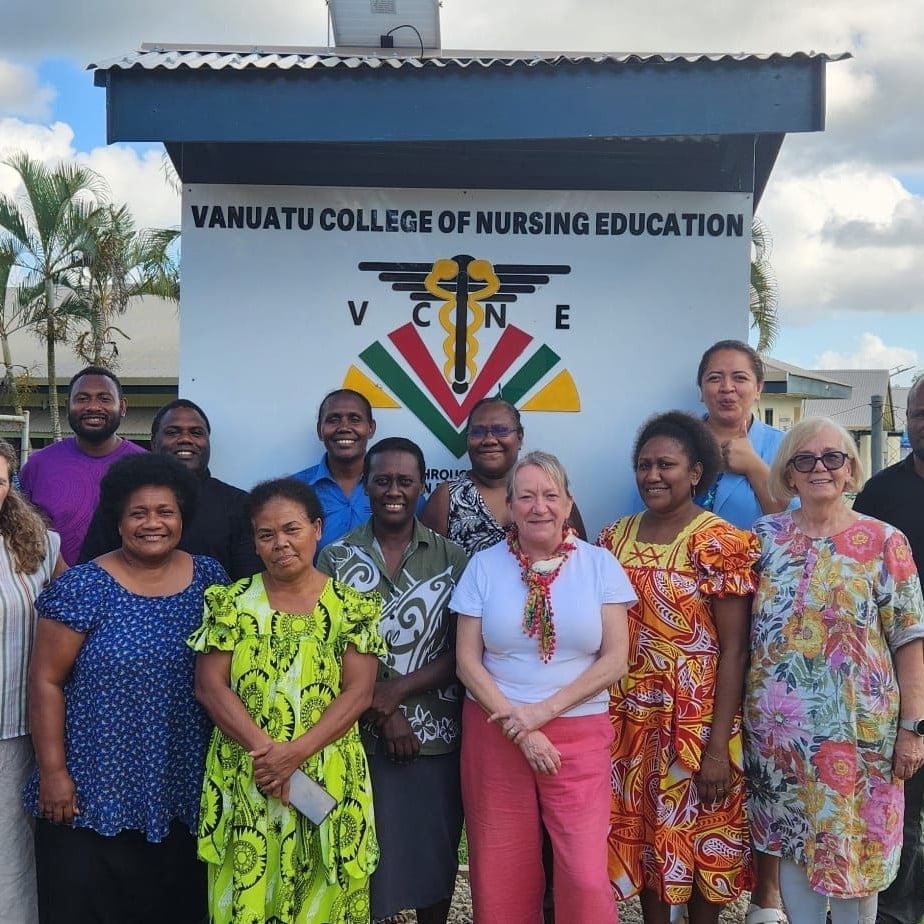
Vanuatu College of Nursing Education and UTS continue to support nurses through quality education
The Vanuatu College of Nursing Education (VCNE), under the Vanuatu Ministry of Health, has been continuously working towards strengthening nursing education...
News
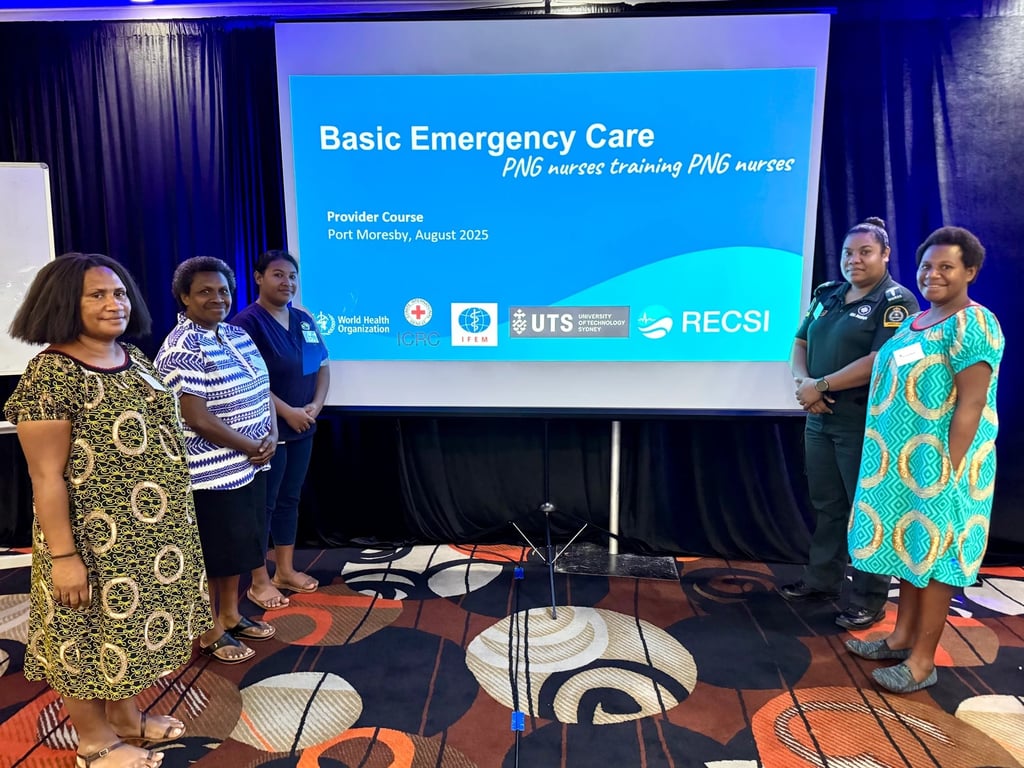
PNG Delivers Historic Emergency Care Training By Nurses, For Nurses
Held between August 18-22, 2025, the week-long course was a testament to local ownership of knowledge and practice, delivered by nurses, for nurses, with 18...
News
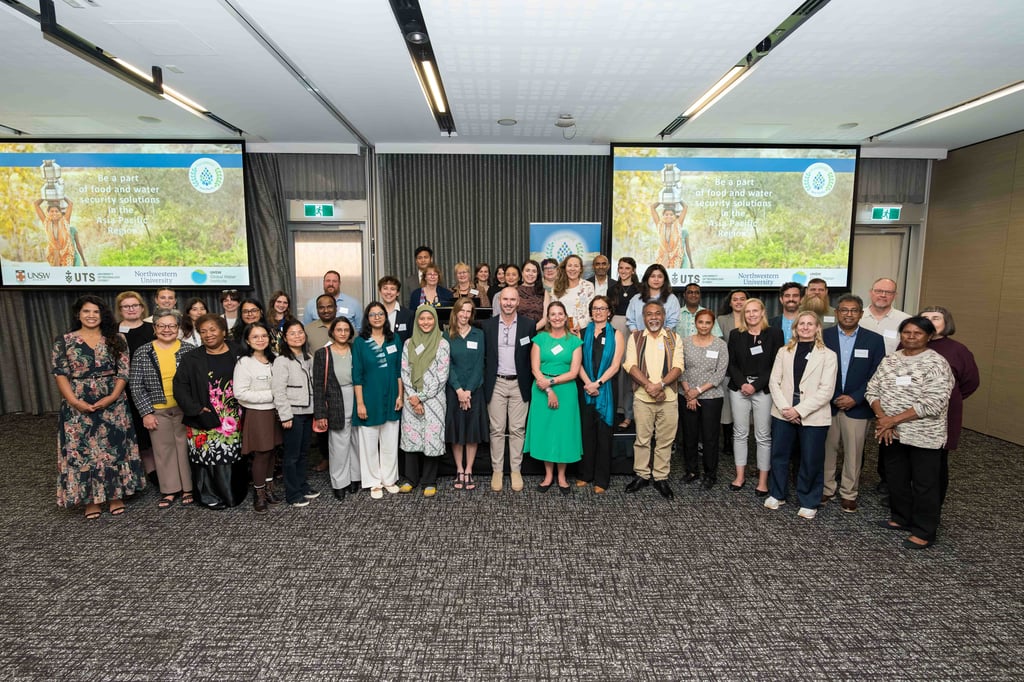
FoodWISE: Towards Food and Water Security in the Asia Pacific
Co-convened by Professor Jacqui Webster, (WHO Collaborating Centre of Nursing, Midwifery, and Health Development UTS), Professor Greg Lesie (UNSW Global Water...
News
Strengthening Health Workforce Education at the University of Papua New Guinea
From 3–7 November 2025, the WHO Collaborating Centre for Nursing, Midwifery & Health Development (WHO CCNMH UTS) delivered an intensive Continuing Professional...
News
Vanuatu College of Nursing Education and UTS continue to support nurses through quality education
The Vanuatu College of Nursing Education (VCNE), under the Vanuatu Ministry of Health, has been continuously working towards strengthening nursing education...
News
PNG Delivers Historic Emergency Care Training By Nurses, For Nurses
Held between August 18-22, 2025, the week-long course was a testament to local ownership of knowledge and practice, delivered by nurses, for nurses, with 18...
News
FoodWISE: Towards Food and Water Security in the Asia Pacific
Co-convened by Professor Jacqui Webster, (WHO Collaborating Centre of Nursing, Midwifery, and Health Development UTS), Professor Greg Lesie (UNSW Global Water...