


- Posted on 20 Apr 2026
- 5-minute read
An Australian-first robotic mobility aid for people who are blind or have low vision has taken out a leading national robotics award.
scoUTS is a compact four-legged grey Unitree robot that has been further enhanced to walk either by human command or independently. It can guide a person and navigate through complex environments like streets and buildings.
Developed through an innovative partnership between the UTS Robotics Institute and Guide Dogs NSW/ACT, scoUTS is a prototype of the next-generation of mobility aids to provide additional options for the more than half a million Australians with low vision or who are blind.
The research program that created scoUTS has won the healthcare category at the Excellence in Robotics Awards, which recognise groundbreaking work in the field of robotics in Australia.
“As someone who is blind, it’s essential to have a safe and effective way to get around my environment to enhance choice, independence and lifestyle,” said Ben Moxley, Emerging Technology and Accessibility Manager at Guide Dogs NSW/ACT.
“The opportunity to collaborate with leading experts in robotics and AI from UTS on a robotic guide offers genuinely exciting possibilities for people with blindness or low vision.”
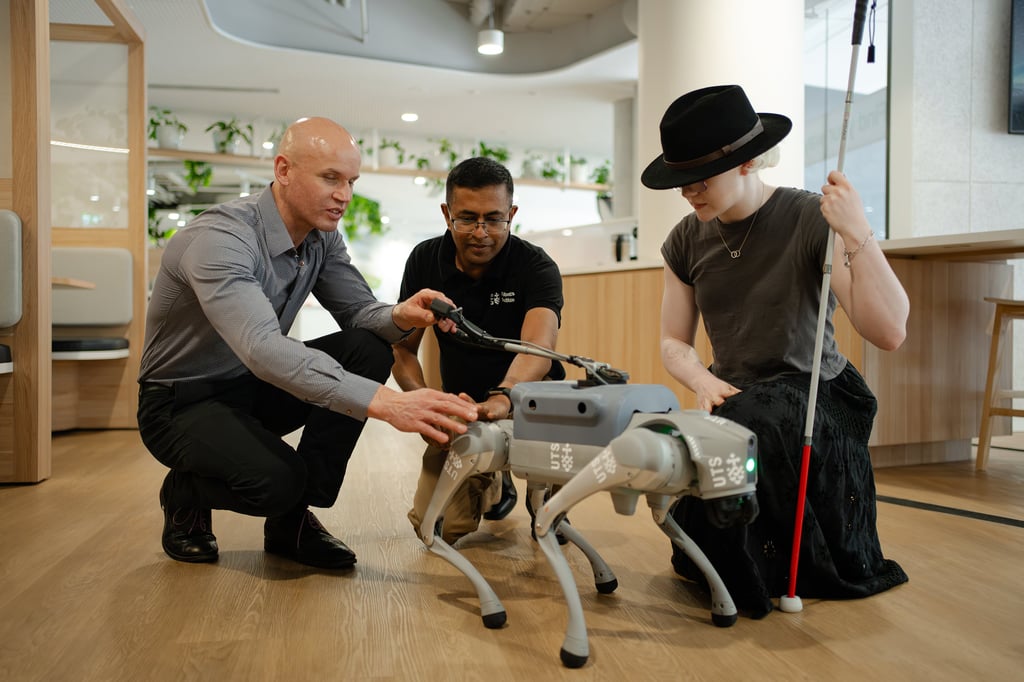
Program lead and Director of the UTS Robotics Institute, Professor Sarath Kodagoda, brought together advanced robotics, artificial intelligence and accessible design expertise to create the prototype.
“There’s currently only a few kinds of mobility aids available for people who are blind or have low vision – with a white cane or guide dog the most popular. They’re great options but they don’t suit everyone, for example people who can’t keep a dog,” he said.
“We set out to give people more options by bringing robotic mobility aids to life. Together with Guide Dogs, and especially working with people with lived experience, we came to a deep understanding of the difficulties they face to design the system.”
The robot system embodied in scoUTS was designed to address two main problems: navigating complex environments where there are both static and dynamic objects, and interpreting the commands, environments and inputs from users to guide the robot.
They developed a human-centred mobility support system that solves these and can be individually customised to an individual’s needs.
The robotic guide has a cocoon of sensors around it. There are cameras, just like our eyes, that can see the environment. We’ve developed AI to interpret the data.
“If you think about the person who’s walking, this has the capability to predict the future path of the person.”
“At the same time, the guide has a laser range finder to do three-dimensional scans around the robot to find out what stationery or moving objects are nearby.”
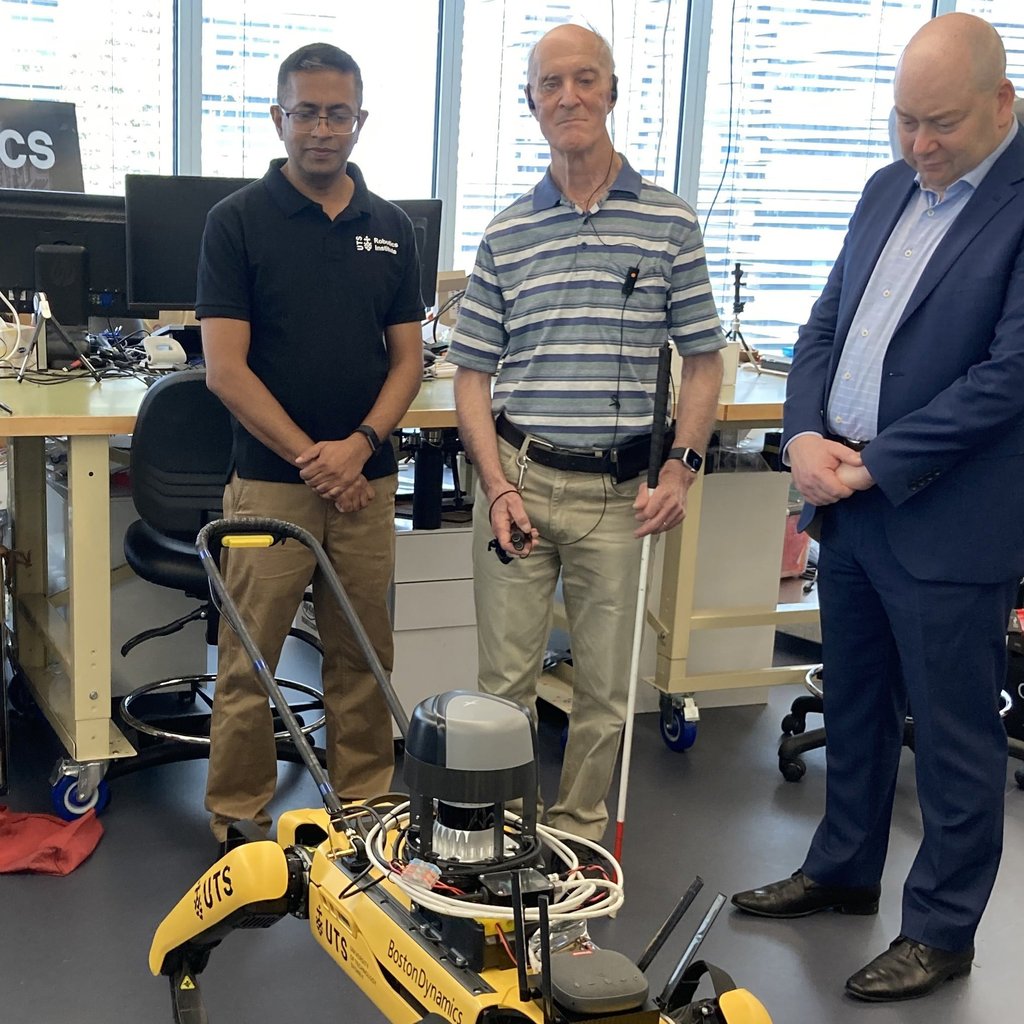
The prototype was built on a commercially available Unitree robotic platform, giving it the flexibility to be integrated with other devices such as wearables or white canes with sensors attached.
The program was developed with support from an Australian Research Council Linkage grant and from the TPG Telecom Foundation.
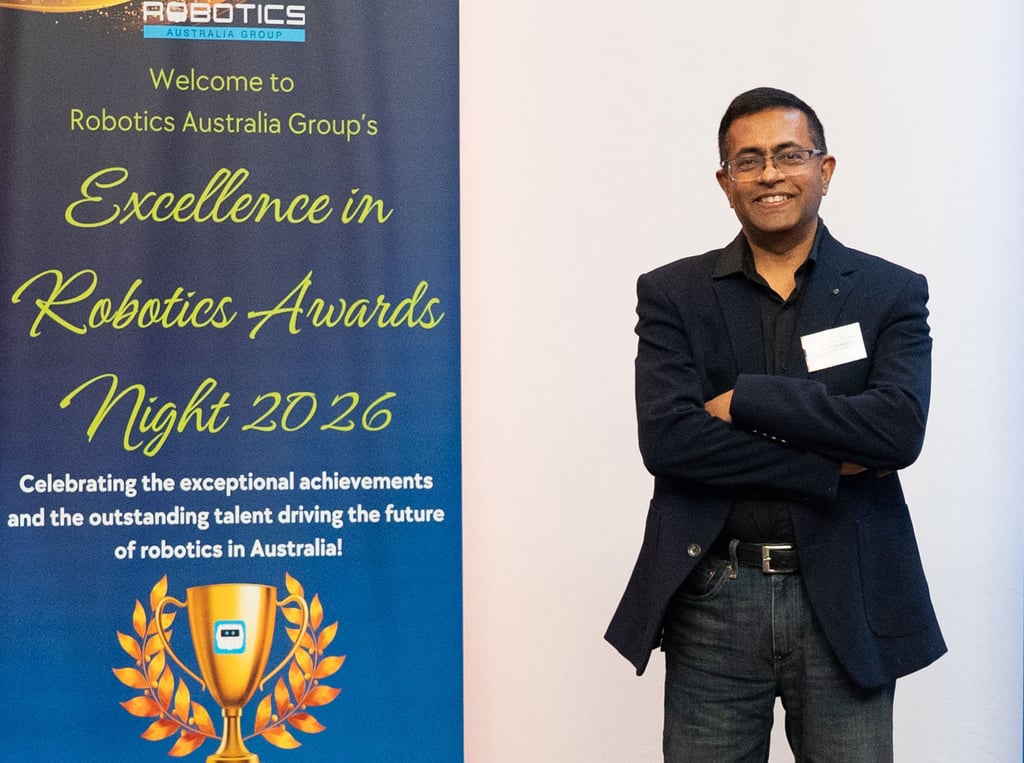
“Being a researcher, we love to develop new technologies. When you see that technology is being used by people with low vision and blindness for the very first time, it’s really satisfying. You can see the technology is being used for something good,” said Professor Kodagoda.
Jodi Martin, General Manager of Innovation at Guide Dogs NSW/ACT thinks the technology has the potential to make a real difference for people who are blind or with low vision
“This partnership is not only advancing the field of assistive mobility technology but has also set new standards for AI-driven social impact solutions,” she said.
“We’re proud to be part of this transformative journey and look forward to continued success and the positive impact this initiative will bring to the blind community.”
Lead researcher
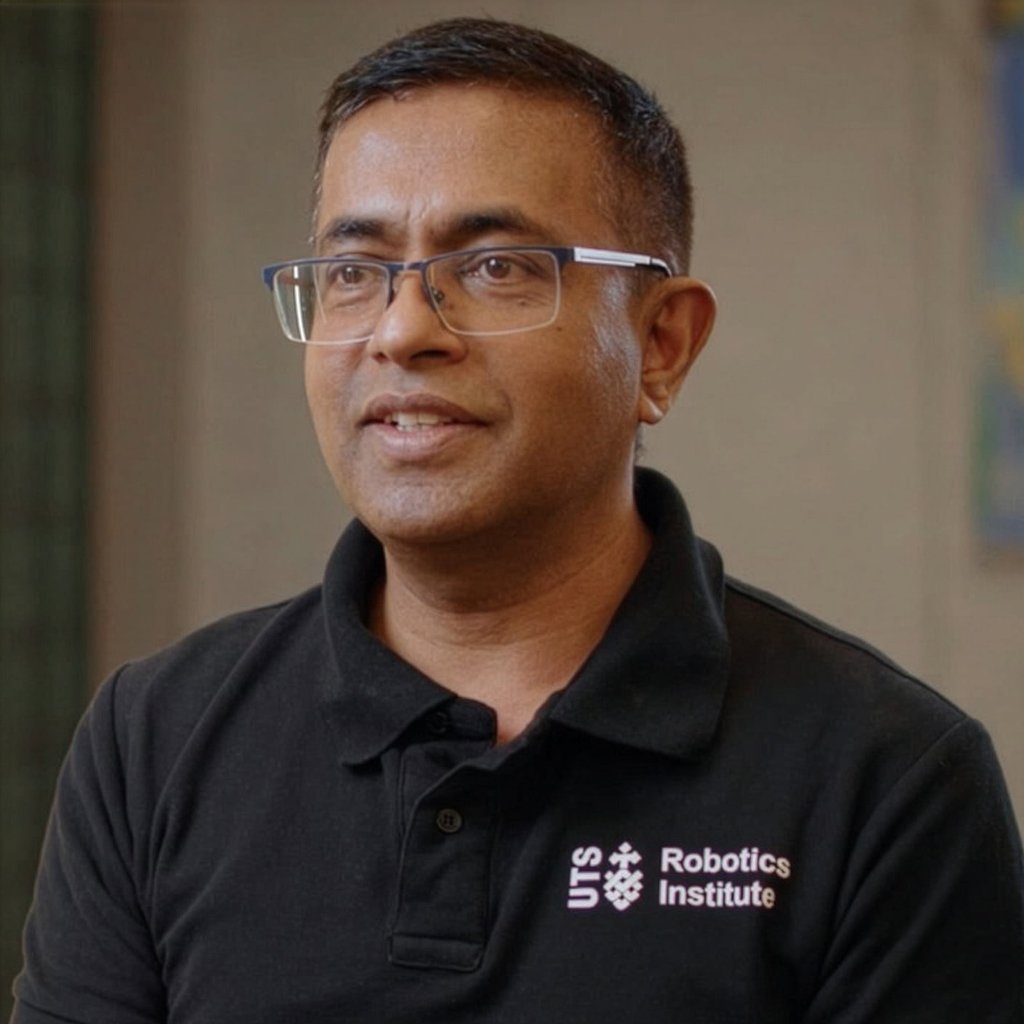
Director, UTS Robotics Institute
News
UTS and Guide Dogs NSW/ACT develop future mobility tech
The UTS Robotics Institute and Guide Dogs NSW/ACT have announced a partnership, with funding from TPG and the Australian Research Council, to build the next...
Story
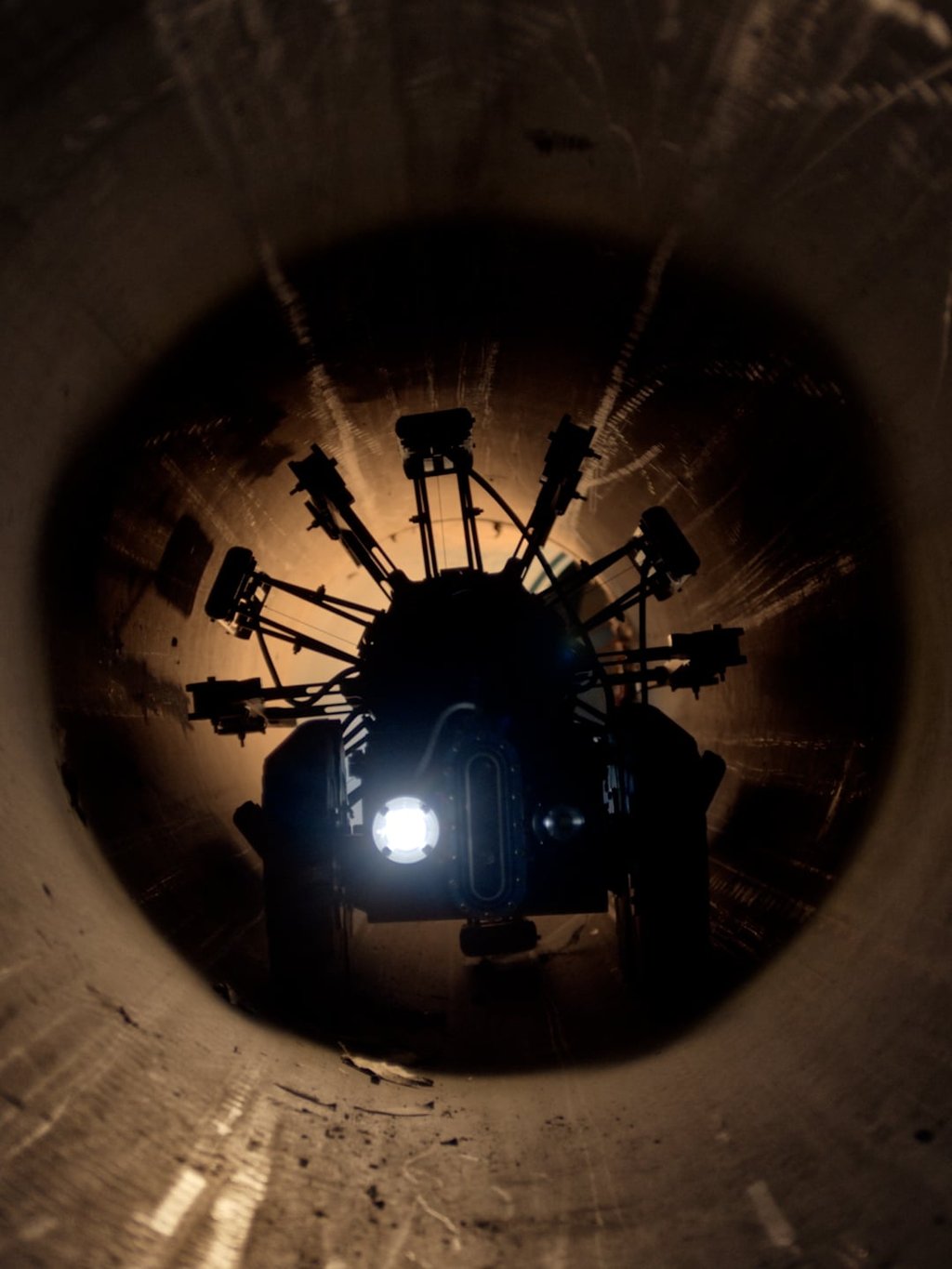
Not just a pipe dream
How AI, data science and robotics are helping protect Sydney’s water supply.
Story
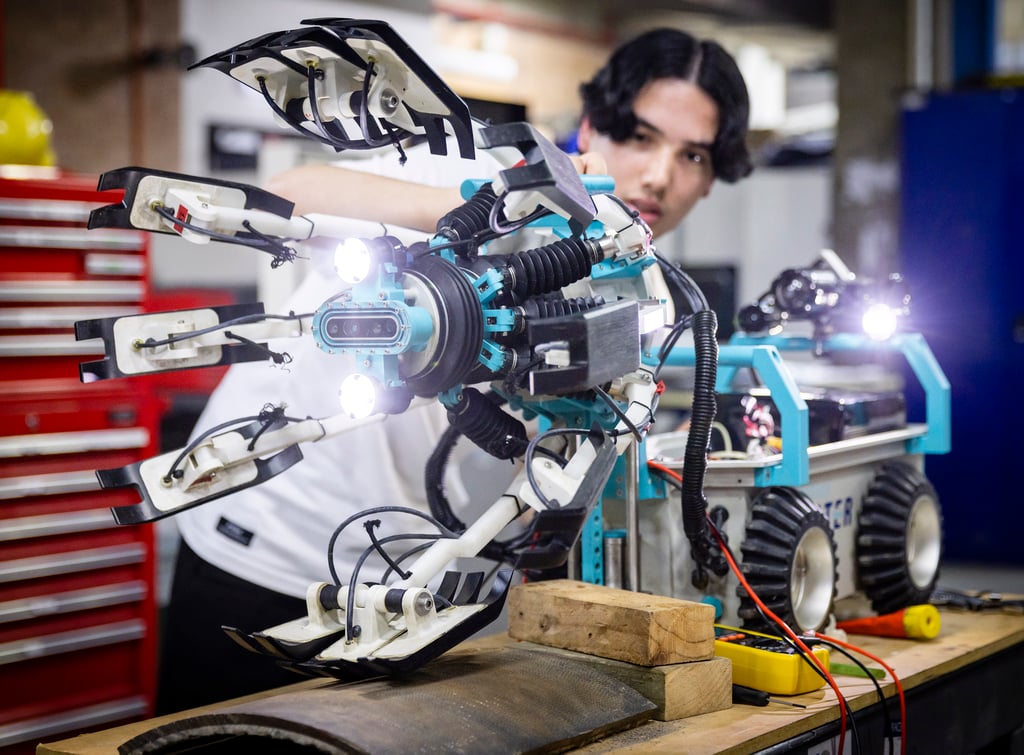
Building automation
Robots powered by artificial intelligence are revolutionising the construction industry.
News
UTS and Guide Dogs NSW/ACT develop future mobility tech
The UTS Robotics Institute and Guide Dogs NSW/ACT have announced a partnership, with funding from TPG and the Australian Research Council, to build the next...
Story
Not just a pipe dream
How AI, data science and robotics are helping protect Sydney’s water supply.
Story
Building automation
Robots powered by artificial intelligence are revolutionising the construction industry.