


What UTS students want you to know about Ramadan.
Ramadan is about much more than not eating or drinking. We asked students from the UTS Muslim Society to share what this month and Eid mean to them, and simple ways you can be a supportive friend and classmate.
Ramadan is one of the most significant months of the year for the Muslim community. It’s a time of fasting, reflection, connection and being more intentional with daily life.
Many students describe Ramadan as a reset. It’s a chance to reconnect with what matters, slow down where possible and focus on generosity, patience and being present.
Ramadan at a glance:
- Fasting happens from dawn to sunset (no food or water during daylight hours)
- The day often starts with suhoor, a pre-dawn meal before fasting begins
- The fast is broken at iftar, the sunset meal
- Many people focus on gratitude, connection, kindness and self-reflection
- Eid al-Fitr marks the end of Ramadan with special prayers and celebrations

“It teaches us if you can step back from food and drink all day, you can step back from anger, gossip, and other harmful habits.”
UTS student

“It’s not just about not eating. It’s about self-control, gratitude, and becoming a better version of yourself.”
UTS student

“Ramadan is tough but beautiful.”
UTS student
Common Ramadan myths, busted
Myth #1: Fasting is unhealthy
“The biggest myth is that fasting is unhealthy,” says Muslim Society President, Jibril Ibrahim. “Done properly, it’s safe for most people and it can actually help reset your habits.”
Myth #2: "You must be starving all day.”
For some students, hunger isn’t the hardest part. “The real focus is on patience, controlling the tongue, self-discipline and spiritual growth," says one student.
Myth #3: Muslims can’t eat or drink for the whole month
During Ramadan, Muslims fast during the day, but they can eat and drink normally after sunset. This meal is called Iftar.
Myth #4: Iftars are only for Muslims
Iftars aren’t exclusive, so don’t be afraid to reach out to your Muslim friends to join them.
“If you ever want to learn about or join an iftar, most Muslims love sharing that experience,” says Jibril.
Myth #5: You shouldn’t eat in front of your fasting friends
It’s worth checking with your friends first but in most cases, it’s completely fine.
“You don’t have to hide your food,” says one student. “We are probably [already] watching food videos [all day].”
How you can support classmates during Ramadan
You don’t need to know everything or get it perfect. Small, thoughtful gestures go a long way.
Be patient
Whether it’s being flexible with group‑work timing, understanding when someone declines food, or giving space when they step out to pray, a little patience can make a big difference.
“We’re still functioning normally, just with less energy sometimes,” says Jibril, “so a bit of patience and understanding goes a long way.”
Be kind
Check in with a simple “How’s your day going?” or let your friend know you’re thinking of them.
“Even just saying ‘Ramadan Mubarak’ or ‘Hope it’s going well’ feels really respectful and supportive,” says Jibril.
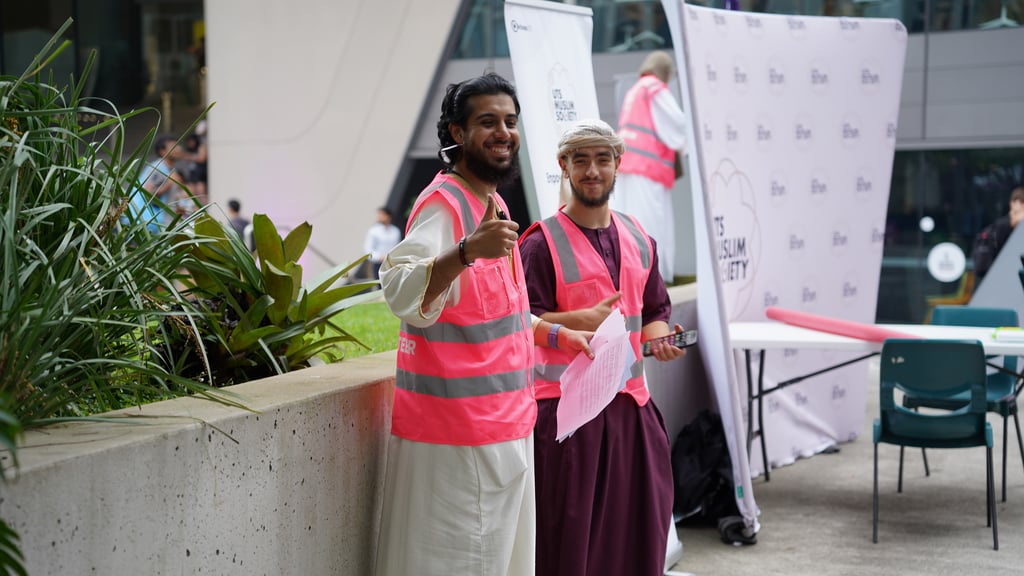
What is Eid?
Eid al-Fitr marks the end of Ramadan and is a joyful celebration with community. It usually features prayers, family, new outfits and "dessert overload", according to one student.
"Imagine a day full of your favourite food, your friends, your whole family, you getting money, fancy outfits and everyone just being extra kind and generous."
Seeing everyone happy at the prayer, kids excited, people hugging. That sense of unity is unmatched.
Support at UTS
Balancing fasting with study, work and life can feel like a lot, especially if you’re also taking in difficult news or thinking about family overseas.
If you or your friends are feeling overwhelmed, here are some support options available to UTS students:
- Multi‑Faith Prayer Rooms are located on level 5 of building 3. They’re dedicated, inclusive spaces open to all students for daily prayer, meditation and quiet reflection.
- Chaplains are available for emotional and/or spiritual support. They can assist you with a variety of challenges and problems, including homesickness, bereavement, loneliness and spirituality.
- UTS Counselling Service offers free, confidential counselling if you want to talk about anything on your mind, whether you’re fasting or supporting a friend.
- UTS Muslim Society is a community for Muslim students at UTS to connect, learn and grow. They offer spiritual guidance, academic support, social events and volunteering opportunities.
Explore
Featured student

Jibril Ibrahim
President, UTS Muslim Society

How Freddy found her voice and helped create a more inclusive uni
Frederikke Thorup spent years wondering why she didn’t fit in. As a student disability advocate at UTS, she’s finally found her place.

Australia-China Weekly Brief: October 2026 issues
The Australia-China Weekly Brief by the Australia-China Relations Institute at the University of Technology Sydney (UTS:ACRI) tracks key developments in...

Beyond Hormuz: US-China energy competition and what it means for Australia
The disruption to global energy markets caused by the conflict around the Strait of Hormuz has highlighted vulnerabilities that extend well beyond the...
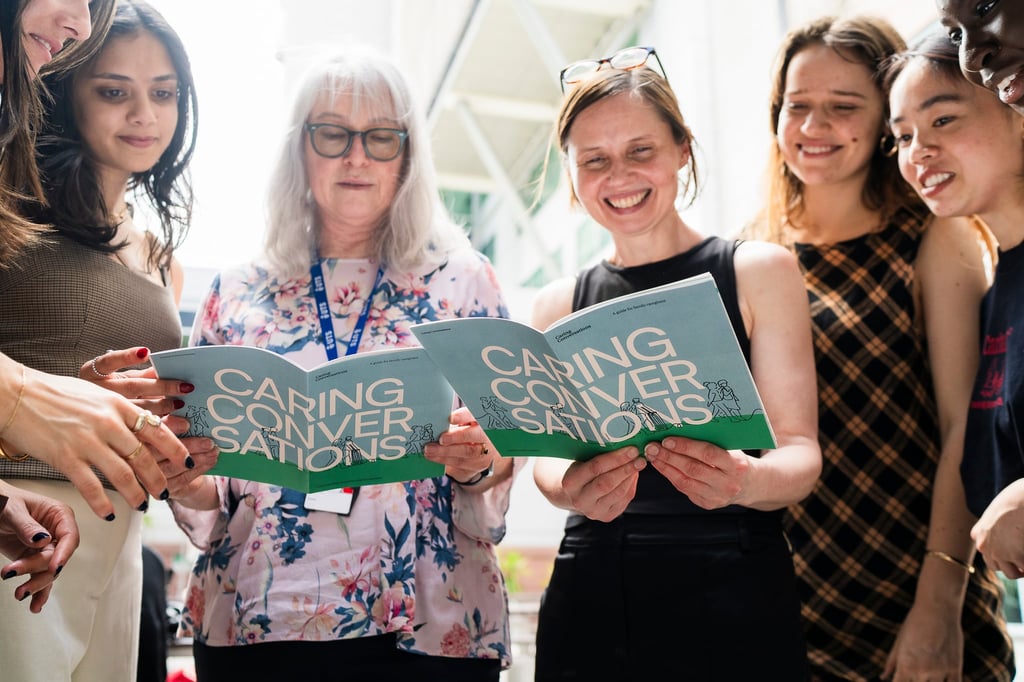
When universities listen: 30 years of UTS Shopfront
When Bonney Djuric first contacted UTS, she wasn't looking for a university partnership. She was looking for help.
How Freddy found her voice and helped create a more inclusive uni
Frederikke Thorup spent years wondering why she didn’t fit in. As a student disability advocate at UTS, she’s finally found her place.
Australia-China Weekly Brief: October 2026 issues
The Australia-China Weekly Brief by the Australia-China Relations Institute at the University of Technology Sydney (UTS:ACRI) tracks key developments in...
Beyond Hormuz: US-China energy competition and what it means for Australia
The disruption to global energy markets caused by the conflict around the Strait of Hormuz has highlighted vulnerabilities that extend well beyond the...
When universities listen: 30 years of UTS Shopfront
When Bonney Djuric first contacted UTS, she wasn't looking for a university partnership. She was looking for help.