


- Posted on 27 Feb 2026
Artificial intelligence is fuelling the rise of new surveillance tools that can cause serious harm for workers.
Urgent law reform is needed to protect workers, according to a new report by the UTS Human Technology Institute (HTI).
HTI’s Snapshot Report, Surveillance Creep, explores the increasing use of tech-enabled surveillance tools in Australian workplaces. These tools are being used to monitor and assess workers via their computers, phones and other work devices, productivity-tracking applications, and even experimental emotion-recognition technology.
HTI’s report draws on new polling, commissioned by the Minderoo Foundation, which shows Australian workers are concerned about being subject to tech-enabled surveillance at work. Key findings include:
- 75% of surveyed workers agree that monitoring should not be used unless it is clearly communicated and strictly necessary for job requirements
- Workers are most concerned about audio surveillance (72%), live-screen monitoring (71%), and emotion recognition (70%).
“Some of the new forms of worker surveillance are unprecedented in how they intrude on workers’ private lives. Australian workers expect employers to conduct reasonable monitoring to make sure they’re doing their jobs safely and well, but they’re deeply concerned when employers go beyond this into highly intrusive surveillance,” said Professor Edward Santow, HTI Co-Director and Australia’s former Human Rights Commissioner.
“Australian law is complicated and dangerously out of date. Too often employers simply don’t know where the line is between lawful monitoring and unlawful surveillance, and workers don’t have robust protections where an employer engages in harmful surveillance,” Prof Santow said.
“Workers are often taken to ‘consent’ to highly-intrusive surveillance when they sign their employment contract. But these contracts are often vague about what forms of monitoring are used. Consent cannot be free and informed when a person’s job is hanging in the balance”, said Sarah Sacher, HTI’s Senior Responsible Technology Policy Specialist.
“The Australian Government is already committed to updating our law to require organisations to handle personal information fairly and reasonably. HTI's report proposes that Australian law spell out what is fair and reasonable in the context of worker monitoring. This will be especially useful for tech-enabled surveillance tools," Ms Sacher said.”
HTI will now consult with business, civil society and other groups on this reform proposal.
News by topic
News
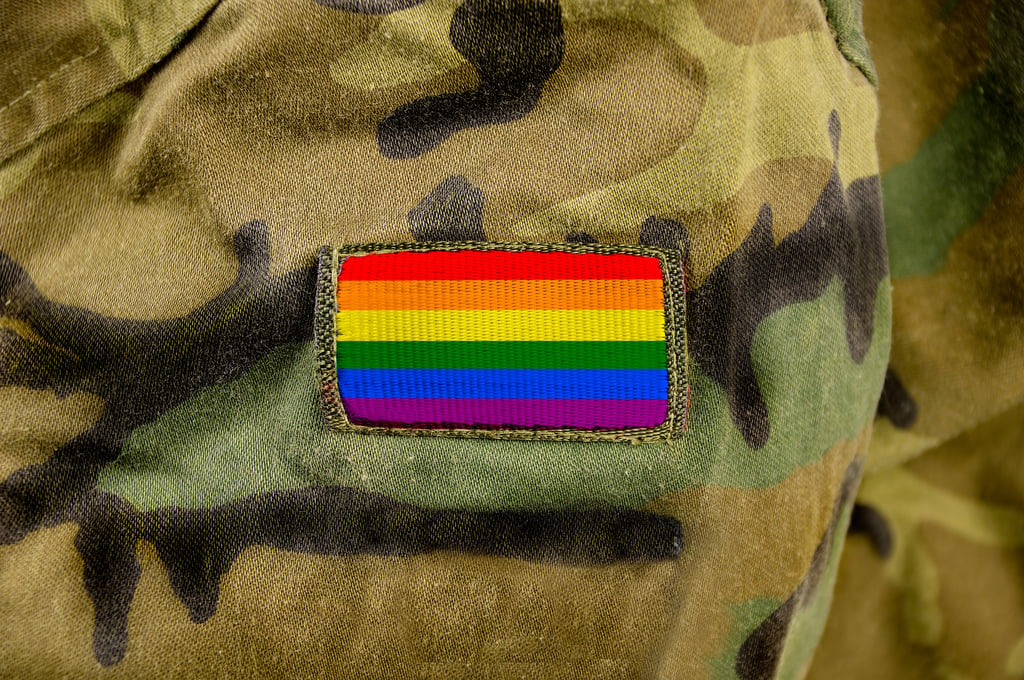
What the Australian government’s apology to LGBTQ+ Defence personnel and veterans means
Current or former Defence personnel can now “apply to have historical homosexual convictions extinguished from their service records”.

News
AI gives rural doctors tools to tackle antibiotic resistance
Evaluation shows new decision support tool helps rural and remote doctors make better antibiotic prescribing decisions.

News
A new study finds that to counter misinformation online, we need to copy its style
Online wording matters, even when the information stays the same, new research finds.

News
The electric car myths Australians can’t shake
Electric cars are dangerous, bad for the environment and impossible to use in the outback. These are just some of the claims circulating among Australians...
News
What the Australian government’s apology to LGBTQ+ Defence personnel and veterans means
Current or former Defence personnel can now “apply to have historical homosexual convictions extinguished from their service records”.
News
AI gives rural doctors tools to tackle antibiotic resistance
Evaluation shows new decision support tool helps rural and remote doctors make better antibiotic prescribing decisions.
News
A new study finds that to counter misinformation online, we need to copy its style
Online wording matters, even when the information stays the same, new research finds.
News
The electric car myths Australians can’t shake
Electric cars are dangerous, bad for the environment and impossible to use in the outback. These are just some of the claims circulating among Australians...