


- Posted on 27 Jan 2026
UTS Adjunct Professor George Newhouse has been appointed a Member of the Order of Australia for significant service to the law, to the legal profession, and to the community.
I am very grateful for this honour. My first thoughts are with the many families the National Justice Project has stood beside over the years, and with our team and our volunteers and supporters whose commitment makes this work possible. This recognition belongs to them as much as it does to me. It reflects a collective effort and the trust placed in us by people at some of the most difficult moments of their lives.
I also hope this honour draws attention to the ongoing need for strategic legal action to address systemic injustice across Australia. The National Justice Project operates independently, without government funding, and relies largely on philanthropic support and the support of UTS and the Jumbunna Institute of Indigenous Education and Research to continue this work.
I have been fortunate to be entrusted with the lives and stories of people who have been seriously harmed by the state. Acting for Cornelia Rau and Vivian Solon, alongside the late Harry Freedman, shaped my understanding of the damage unchecked executive power can cause, and the responsibility lawyers carry when systems fail so completely.
Some of the most confronting work has involved securing urgent medical transfers to Australia for pregnant women and critically ill children held in offshore detention on Nauru. Creating legal pathways to bring them to safety exposed, in very human terms, the impact of an inhumane government policy. Meeting children whose lives were placed at risk, and knowing that our work helped prevent further harm, has stayed with me.
Working with the orphaned children and families affected by the SIEV-221 Christmas Island boat disaster was also formative. One of the worst civil maritime tragedies in Australia’s recent history, it left families devastated and unheard. Being able to help children find some measure of security and stability was a privilege.
My work with First Nations communities has been central to my career. From challenging the takeover of the Mutitjulu community by the Howard Government, to stopping the proposed nuclear waste dump at Muckaty Station, to taking a complaint to the United Nations about the Northern Territory Intervention, and later supporting Alice Springs community members resist the takeover of town camps, these experiences reinforced how law can be used to stand against injustice. Standing with communities asserting dignity and self-determination has been among the most meaningful aspects of my work.
Through the courage of Tamica and Ted Mullaley and their family, the National Justice Project was able to secure an apology and a pardon from the Western Australian Government following the murder of baby, Charlie. Their determination helped expose serious failures and discriminatory policing practices. Achieving accountability mattered not only legally, but because of what it meant to a family that had been denied it for so long.
I am also proud of the law reform achieved through decades of work, including Kearah’s Law in Western Australia and Cindy’s Law in New South Wales. Knowing these reforms close gaps that once allowed violence and discrimination to go unchallenged gives meaning to many years of advocacy.
Finally, through the courage of families at coronial inquests into the deaths of Naomi Williams and Dougie Hampson, we were able to expose racial bias in health systems and secure government commitments to safer and culturally appropriate care. These cases were painful, but they show that even after great loss, change is possible.
Taken together, these experiences remind me that the most important work of law is personal. To be able to do this work is both a privilege and a responsibility, and I remain grateful for the trust placed in me.
Authored by

Adjunct Professor, Deputy Vice-Chancellor (Education and Students)
News by topic
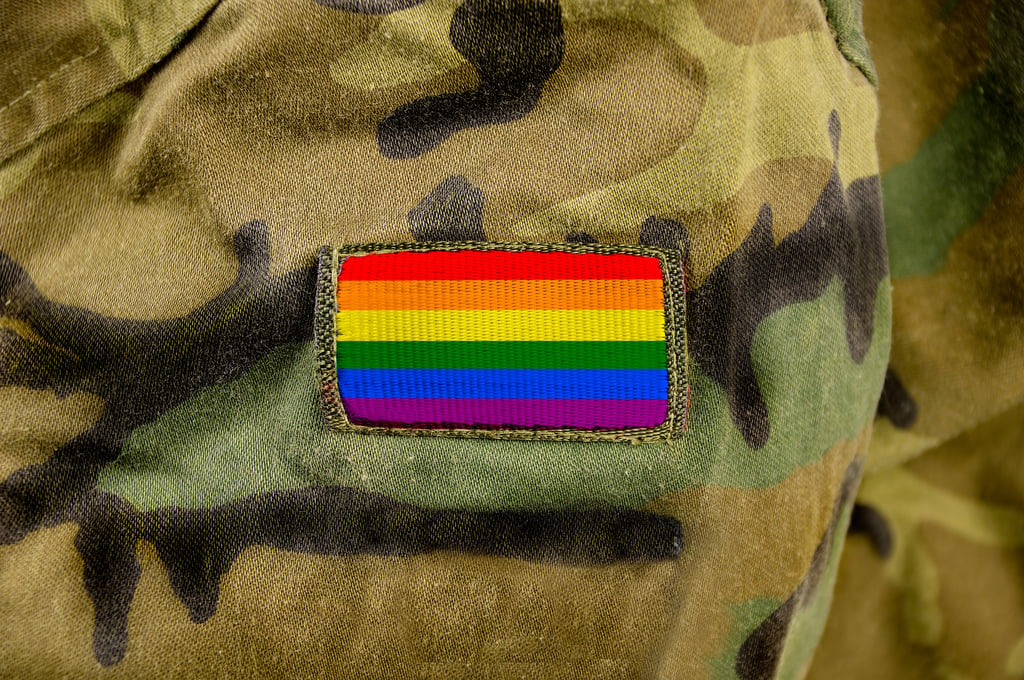
News
What the Australian government’s apology to LGBTQ+ Defence personnel and veterans means
Current or former Defence personnel can now “apply to have historical homosexual convictions extinguished from their service records”.

News
AI gives rural doctors tools to tackle antibiotic resistance
Evaluation shows new decision support tool helps rural and remote doctors make better antibiotic prescribing decisions.

News
A new study finds that to counter misinformation online, we need to copy its style
Online wording matters, even when the information stays the same, new research finds.

News
The electric car myths Australians can’t shake
Electric cars are dangerous, bad for the environment and impossible to use in the outback. These are just some of the claims circulating among Australians...
News
What the Australian government’s apology to LGBTQ+ Defence personnel and veterans means
Current or former Defence personnel can now “apply to have historical homosexual convictions extinguished from their service records”.
News
AI gives rural doctors tools to tackle antibiotic resistance
Evaluation shows new decision support tool helps rural and remote doctors make better antibiotic prescribing decisions.
News
A new study finds that to counter misinformation online, we need to copy its style
Online wording matters, even when the information stays the same, new research finds.
News
The electric car myths Australians can’t shake
Electric cars are dangerous, bad for the environment and impossible to use in the outback. These are just some of the claims circulating among Australians...