


- Posted on 4 Dec 2025
- 3 minutes read
Across Australia, many universities are facing real financial strain, making it difficult to deliver the education and research our communities rely on.
Constantly changing government policies over recent years, from the Job Ready Graduates scheme to international student settings, have hit the sector hard.
For universities without deep reserves or significant assets to draw on, the impact has been especially hard.
The cost of keeping the doors open and the lights on is not well understood outside of the sector. Most of our funding comes from per-student revenue. We receive no other funding for teaching or essential capital investments like IT, infrastructure and campus facilities.
Less than half of a university’s operating revenue comes from government, and government funding per student has not kept pace with rising costs.
The Job Ready Graduates policy introduced by the Morrison government decreased student fees for courses regarded as “job ready” and raised it for others not regarded as priority areas. It also lowered overall the per student funding received by the universities.
The effect of this for UTS has been a reduction of around $2000 per student overall and an estimated $60 million per year in real terms not now available to support education and the student experience. Despite repeated calls for change, this has not been a priority for federal governments of either colour.
The reality is that, as a consequence, many universities have been running deficits. With limited ability to grow revenue we face tough choices.
Unfortunately, this has largely meant reducing staffing, our major expenditure, and closing courses. Currently we cross-subsidise courses with low enrolments but this is becoming increasingly unsustainable. These decisions are painful and we don’t take them lightly.
But without action we cannot secure the future.
UTS exists to serve the public good and my goal is clear: to ensure a financially stable, resilient university that can invest in our incredible students, academics and our research for the long term.
We must cut our cloth to suit our circumstances and focus resources where they matter most.
That’s why, in late 2024, we started the conversation about doing things differently. We were transparent about the challenges facing UTS and how we had gotten to the position we’re in. We shared options and invited staff and our community to help rethink what we offer and how we operate. Some feared it was just a tick-the-box exercise. It wasn’t. Consultation is real—we are listening and it is shaping the outcome.
Feedback from our passionate and knowledgeable staff has identified sensible ideas to make some changes to the proposal for academic staff and courses. With these changes, we can achieve nearly 90 percent of our savings target and reduce the number of academics made redundant from 166 to 121. It’s not a “backflip” as some have characterised it – it’s an improvement to the change model based on meaningful consultation.
Unfortunately, most courses originally proposed for closure – those with low student demand and that we cannot afford to deliver – will still have to close but we’ve found ways to keep a number of redesigned courses in key areas aligned with our public mission, notably teacher education and postgraduate health.
Some claim that universities have become corporatised and act like businesses. This is lazy thinking. Universities are large and complex, many with billion-dollar budgets. It is precisely because they are public institutions that they must take a businesslike approach to governance, financial management and performance targets. When we talk about generating revenue at UTS, it’s not about paying dividends or building huge investment portfolios. It’s about investing in education for our students, and in the research capability that continues to see Australia punch above its weight in innovation and new knowledge.
If we continued to run deficits we would be heavily, and rightly, criticised. Instead, we are doing the hard work and making the difficult choices required to secure the future of this great institution.
We are blessed with many world class universities which are major contributors not just to the NSW economy, but also to supporting our national prosperity. They also enrich our social and cultural life and train the workforce we need.
Universities contribute more than $185 billion to the national economy across almost every sector, just through the workers they graduate, according to research by Universities Australia. For every $1 invested in higher education research and development, $5 is returned to the economy.
The Universities Accord helped us imagine how universities can shape Australia’s future. We don’t yet know what future funding will look like under the new Australian Tertiary Education Commission (ATEC) but we do know that growth for the higher education sector hasn’t come soon enough for universities to maintain everything we do. Funding pressures are hitting faster than we can redesign the system to keep serving our communities well. We can’t afford to wait.
ATEC should provide clear, data-driven advice on funding. At the same time, it should help the sector and community rethink what universities deliver—and how—so we can continue building Australia’s skilled workforce and research capacity.
This is the future we hope for.
This article was first published in The Sydney Morning Herald.
Written by
Vice-Chancellor & President
News by topic

News
Electronic nose puts police detection dogs to the test
UTS researchers are using scent-sensing technology to help validate human-remains detection dog training.

News
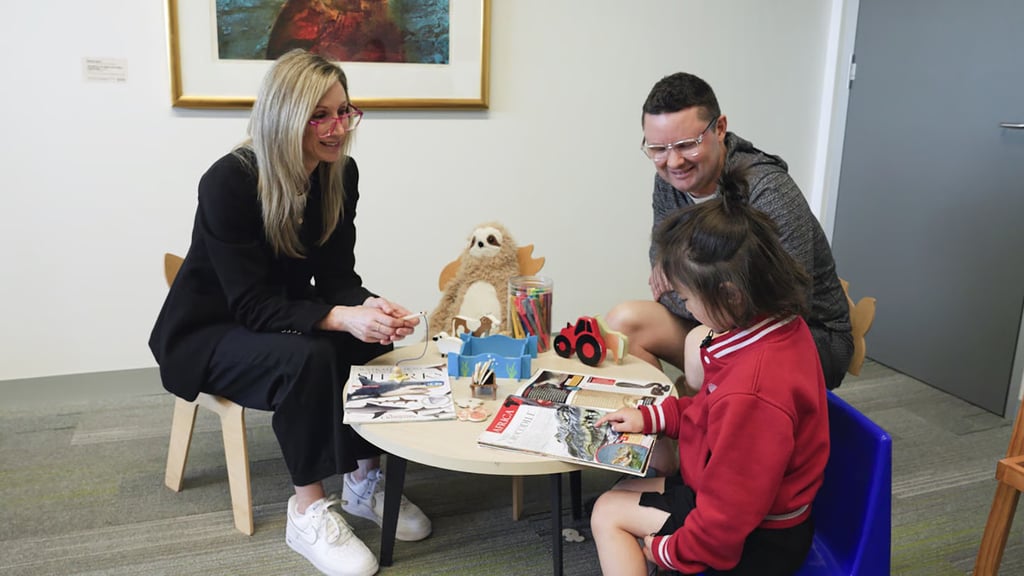
Australia leads the world in stuttering research, now digital innovation is reshaping stuttering care
The Australian Stuttering Research Centre at UTS marks 30 years of world-leading research.
News
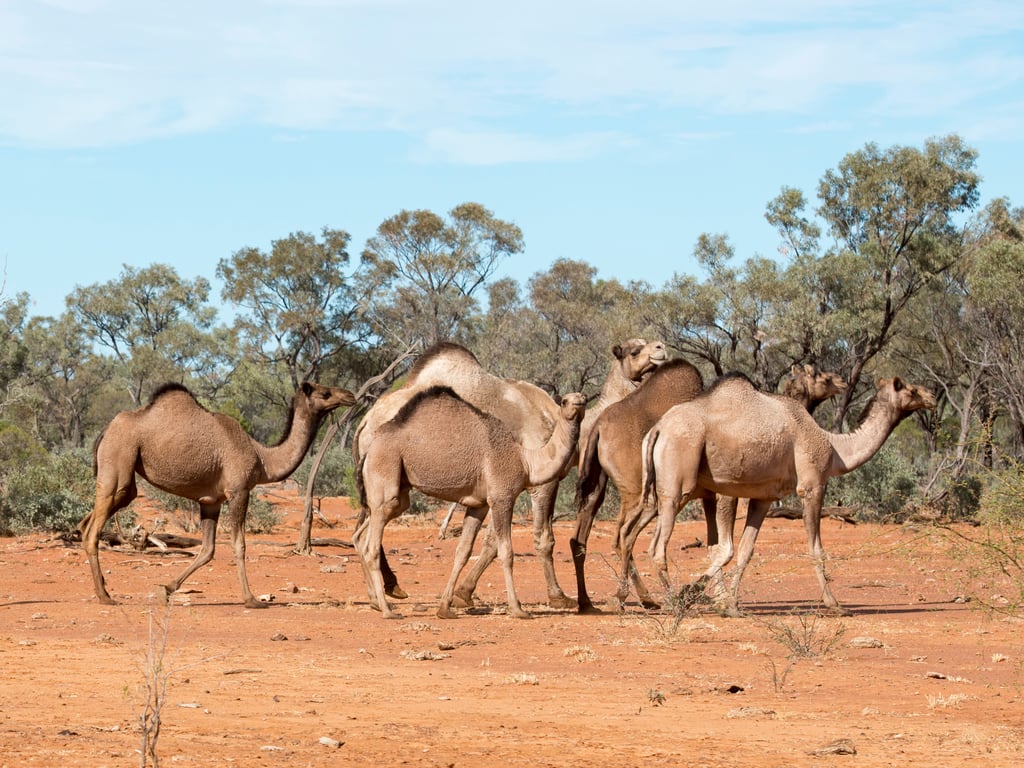
Feral – and threatened? Endangered camels, banteng and hog deer have found an unexpected refuge in Australia
Wild dromedary herds no longer roam the Sahara, while wild banteng are vanishingly rare in Southeast Asia. Should we protect their feral populations in...
News
Electronic nose puts police detection dogs to the test
UTS researchers are using scent-sensing technology to help validate human-remains detection dog training.
News
Australia leads the world in stuttering research, now digital innovation is reshaping stuttering care
The Australian Stuttering Research Centre at UTS marks 30 years of world-leading research.
News
Feral – and threatened? Endangered camels, banteng and hog deer have found an unexpected refuge in Australia
Wild dromedary herds no longer roam the Sahara, while wild banteng are vanishingly rare in Southeast Asia. Should we protect their feral populations in...