


- Posted on 13 Oct 2025
- 3-minute read
An immersive art installation built by a creative team including UTS researchers brings to life the experiences of young women who have navigated self-harm and found their way to healing.
Young people often face challenges that feel overwhelming and isolating. While distress can take many forms, research consistently shows that support from family, friends and community makes a profound difference in recovery and wellbeing.
As part of Black Dog Institute’s federally funded five-year suicide prevention program, researchers listened to the lived experiences of young women who self-harm. What emerged was a clear message: support doesn’t always need to come from formal interventions – simple, everyday gestures can be life-changing.
“Young women in the study told us that what mattered most were the small human signals – eye contact, presence, and listening without judgement,” said Black Dog Institute Associate Professor Alexis Whitton.
Drawing on these insights, researchers collaborated with people with lived experience to create something unusual: an art installation that lets the public experience what the research shows.
ReBloom was created through a partnership between Black Dog Institute’s Arts-based Knowledge Translation Lab and SPHERE (Maridulu Budyari Gumal), a multi-institutional health research collaboration that brings together organisations including UTS and Black Dog Institute. The interactive LED installation transforms mental health research into light, colour, and sound.
ReBloom shows how art and technology can spark the kind of empathy research alone cannot
ReBloom invites passersby to pause, connect and reflect. The installation depicts a forest and a solitary figure that responds to movement. As people walk past or stop to watch, the installation shifts – light patterns change, colours evolve, sounds respond.
The experience mirrors the quiet but powerful impact of human connection, something central to many mental health journeys.
ReBloom was shaped through collaboration between leaders in research, art and technology.
At the heart of the project was Dr Barbara Doran, Director of the Creative Intelligence and Strategic Innovation program in the University of Technology Sydney’s Transdisciplinary School, who acted as Creative Director.
“Knowledge translation is about moving research off the page and into the world,” Dr Doran said. “ReBloom shows how art and technology can spark the kind of empathy research alone cannot.”
The team used Creative Reboot, a book of methods for surfacing collective creativity, working with techniques like renku and metaphor-finding to explore colour, sound, seasons and movement.
Naomi Hibberd of FORM Dance Projects developed choreography that embodied the research in movement, creating a score ready for motion capture using the movement of dancer Tara Kinajil-Moran.
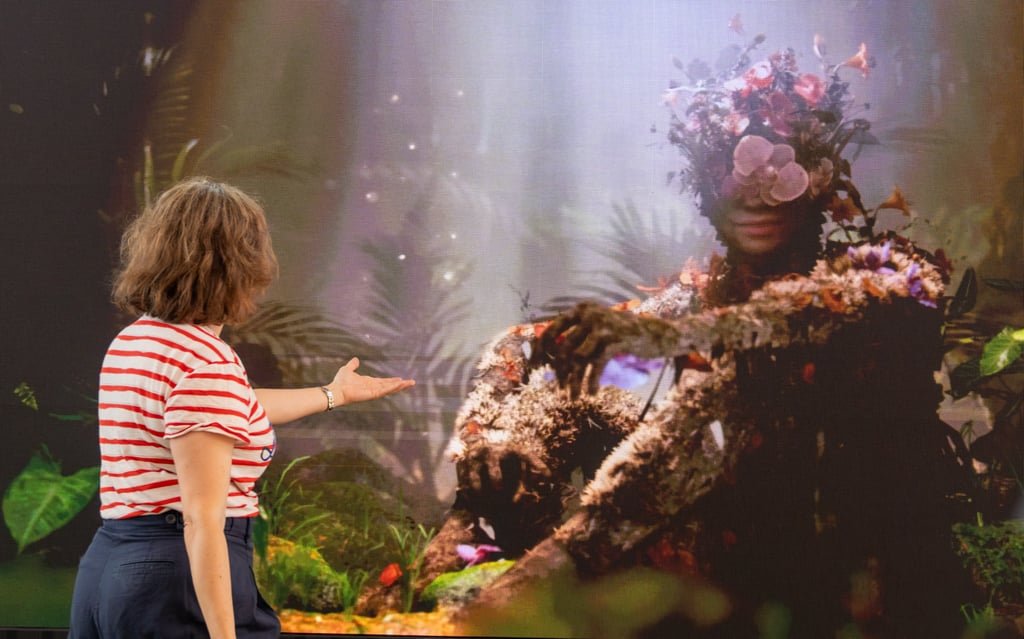
The final layer came from Zebrar, one of Australia’s most innovative immersive tech studios, led by Simone Clow and Andrew Lodge. They conceived the interactive technology that transformed the choreographic work into a responsive digital environment.
“Working with Black Dog Institute, UTS and the dance choreography team has been the most collaborative experience,” Lodge said. “ReBloom stands as a testament to what can be achieved when artistry, technology and empathy come together.”
“Art like ReBloom helps bring the reality of young women’s experiences into public view, breaking down stigma and opening space for their voices to be heard,” Associate Professor Whitton said.
“Research can feel distant, but art makes it immediate – something you can see, hear and feel. It gives communities a new way to connect with difficult topics and break the silence that still surrounds young women’s experiences.”
ReBloom is on display at Westfield Chatswood, near Rebel Sport until 27 October. Surrounded by 15 schools, Westfield Chatswood is a hub for young people and has welcomed the installation as part of its commitment to fostering community, connection and young people’s wellbeing.
News
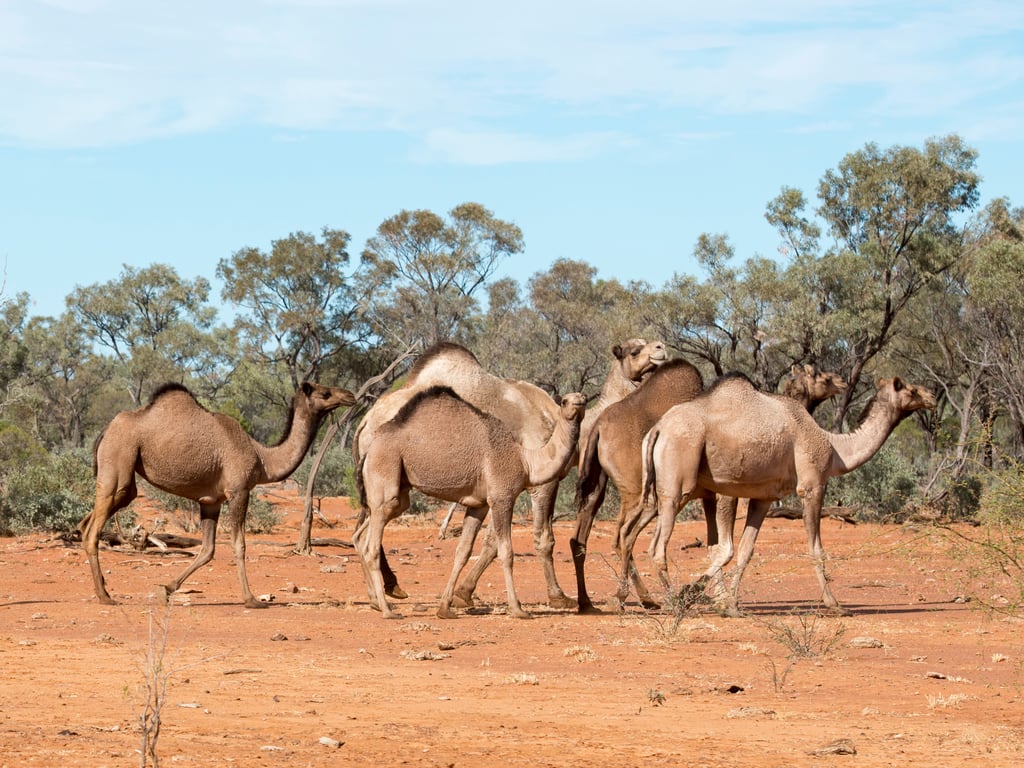
Feral – and threatened? Endangered camels, banteng and hog deer have found an unexpected refuge in Australia
Wild dromedary herds no longer roam the Sahara, while wild banteng are vanishingly rare in Southeast Asia. Should we protect their feral populations in...
News
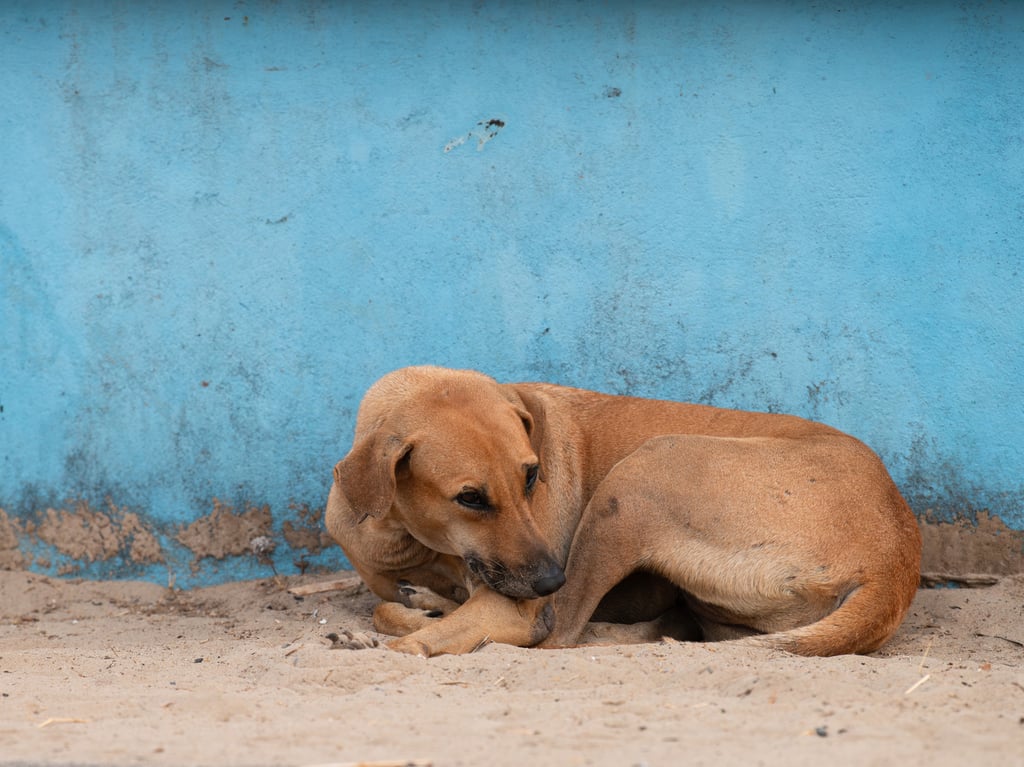
What can free‑living Indian street dogs teach us about how to care for pet dogs?
A study of how Indian street dogs live raises questions about what it means to care for pet dogs.
News
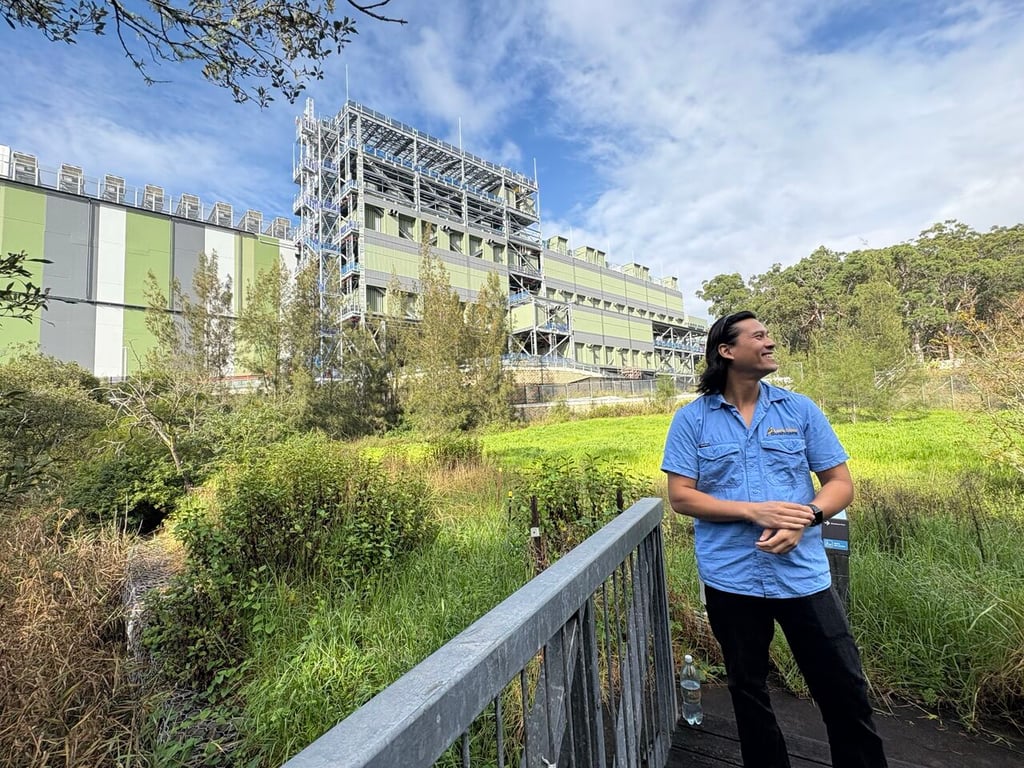
From classroom to council chamber: students speak out on data centres
Students in the Transdisciplinary subject TD: Pathways to Societal Transitions work with Lane Cove Council and local stakeholders to explore rapid data centre...
News
Even experts disagree over whether social media is bad for kids. We examined why
Disagreement and uncertainty are common features of everyday life. They’re also common and expected features of scientific research.
News
Feral – and threatened? Endangered camels, banteng and hog deer have found an unexpected refuge in Australia
Wild dromedary herds no longer roam the Sahara, while wild banteng are vanishingly rare in Southeast Asia. Should we protect their feral populations in...
News
What can free‑living Indian street dogs teach us about how to care for pet dogs?
A study of how Indian street dogs live raises questions about what it means to care for pet dogs.
News
From classroom to council chamber: students speak out on data centres
Students in the Transdisciplinary subject TD: Pathways to Societal Transitions work with Lane Cove Council and local stakeholders to explore rapid data centre...
News
Even experts disagree over whether social media is bad for kids. We examined why
Disagreement and uncertainty are common features of everyday life. They’re also common and expected features of scientific research.