


- Posted on 8 Oct 2025
- 6-minute read
How strategic, community-centred approaches are replacing ad-hoc planning with sustainable social impact.
Why it matters
What makes the difference between thriving communities and those that struggle to address persistent social challenges? The answer increasingly lies in moving beyond ad-hoc, planner-led approaches towards purpose-driven, community-centred strategies. Given that all communities are concurrently dealing with multiple challenges, negotiating different needs and expectations, we need to abandon simple solutions for results-based planning that can be built on overtime.
Purpose-driven community development is an alternative to both top-down planning models and traditional lateral grass-roots approaches. Rather than rely solely on planners' assumptions, or treating community engagement as an afterthought, we need new methods and solutions which marry community needs with the opportunities and constraints of decision making.
The challenge we face
Traditional social planning often falls into predictable traps. Well-meaning planners develop programs based on their assumptions of community needs, implementing solutions that may miss the mark entirely. This stimulus- response type approach treats community development as a bi-product of interventions—something to address after infrastructure and economic change is settled.
Research consistently shows that initiatives developed without meaningful community input face higher failure rates and lower adoption. Communities become passive recipients rather than active participants in their own transformation, leading to solutions that may address symptoms rather than root causes.
The consequences extend beyond ineffective programs. Communities lose trust in planning processes, creating cynicism that makes future development even more challenging. Resources are wasted on short-term solutions, or initiatives that don't align with longer-term community priorities, by-passing actions towards sustainable change.
The purpose-driven approach
Purpose-driven community development centres on several key principles that distinguish it from traditional models. The cycle begins with a clear understanding of the decision-making landscape within which the development is occurring - Who will approve our plans? What are our time and resourcing constraints? Next, it delves into the research and data that not only tells us about our specific community, but also about how other communities have negotiated similar issues and challenges. Lastly, and most critically, it involves designing and undertaking fit-for-purpose consultation techniques, which cater for seldom-heard groups and individuals. Moving through and around the cycle, generates evidence-based and implementable options that combine lived experience with research and data. This approach recognises that sustainable change requires sensitive management of systems and relationships where communities are partners not just subjects in the development process.
This more strategic approach replaces reactive responses and isolated interventions with plans of action that have clear objectives, linked to measurable outcomes that are meaningful to both communities and the decision makers. As presidential candidate Barack Obama reminded us:
“The challenges we face will not be solved in one meeting in one night. Change will not come if we wait for some other person or some other time. We are the ones we’ve been waiting for. We are the change that we seek”.
Results and benefits
Successful community development requires understanding of how planning and change processes operate. It requires practitioners to develop professional skills in basic social research and in stakeholder facilitation, cultural competency and collaborative processes. The UTS Institute for Public Policy and Governance's Community Development Course – Social Planning in Action is grounded in this approach, training participants in evidence-based, community-centred methodologies.
Communities experiencing purpose-driven development report significantly higher satisfaction with outcomes and greater ownership of initiatives. Programs developed through these processes show improved sustainability, with communities continuing efforts beyond initial funding periods.
The approach often delivers both social and economic benefits through more efficient resource allocation and reduced program failure rates. Communities develop enhanced capacity for builds on their relationships and engaging with other issues as they emerge, potentially creating lasting change beyond specific interventions.
Organisations fully implementing this approach typically invest in ongoing community building processes that may take months rather than weeks to materialise, based on open and genuine exchanges and input processes.
Key takeaways
Successful purpose-driven community development requires genuine commitment to informed decision-making. To have this, organisations need to invest adequate time and resources in relationship-building and capacity development processes.
Professional development in these structured planning methodologies is essential for practitioners. It is more than methodology—it's a reimagining of how communities and professionals can collaborate to create lasting positive change.
By moving beyond intuitive approaches towards strategic, evidence-based planning, we can build more resilient, empowered communities capable of addressing complex social, economic and environmental challenges.
When decision makers and communities share a focus on sustainable solutions, everyone benefits. Now is the time to embrace this structured and practical approach to social planning.
About Edwina Deakin
Edwina Deakin is currently an Associate Director, Research and Advisory at the Institute for Public Policy and Governance, University of Technology Sydney. For over 30 years, Edwina has been involved in commissioning, designing and delivering social planning and community development initiatives -as an NSW Government Policy Director, social policy consultant and community engagement professional. Edwina has worked with a wide range of organisations – leading over 40 major planning projects for State, Local and Commonwealth agencies as well as for not-for-profit organisations.
Edwina holds a Master’s in Social Science and Bachelor of Arts Honours degree, a Graduate Diploma in Education and a Certificate IV in Training and Assessment. She is also a graduate of the Australian Institute of Company Directors.
Author profile
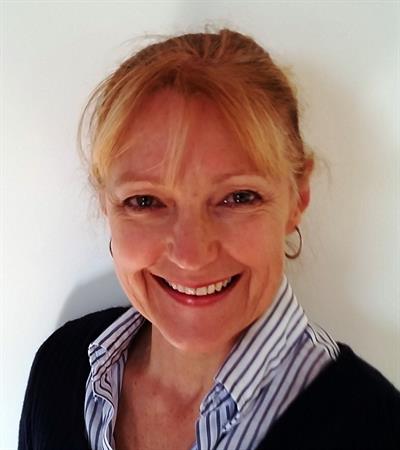
Manager, Advisory Services, DVC (Research)
This article was developed by the Institute for Public Policy and Governance at the University of Technology Sydney, which provides evidence-based advisory services, research and professional development in social planning and community development.
Available courses

Community Development Course – Social Planning in Action
Do you work in community development and social planning and are looking to make a real impact in communities?

Public Engagement in Decision-Making Course
This public engagement course looks at good practice in public engagement and community participation in decision making.

Community Consultation and Engagement Course
If your work impacts the community, it helps to first understand their views on the issue. In this community consultation and engagement course you will learn...

Conducting Service Reviews Course
This service review course will guide you through the essentials needed to design and undertake a review of a program, operation or service using a practical,...