


- Posted on 17 Sep 2025
- 5-minute read
The University of Technology Sydney (UTS) has released proposed changes designed to support the university in delivering its core purpose of high-quality education and research while ensuring financial stability.
Like many universities nationally, the combination of changes in federal funding, limits on our ability to increase revenue, and the longstanding impacts of a global pandemic have led to a period of financial instability that must be addressed.
“UTS is focused on achieving a sustainable future where students can continue to get the quality of education they expect, and we can continue to deliver research outcomes for the communities that benefit from our work,” said Vice-Chancellor Professor Andrew Parfitt.
“Our commitment to public education and focus on the student experience is paramount.”
The proposed changes are the result of a wide-ranging organisational review in response to the challenging environment many universities now face.
“With policy constraints limiting both domestic and international student revenue growth, our main source of operating revenue, we have been faced with difficult choices to reduce our costs,” Professor Parfitt said.
The proposal has been provided to staff as a starting point for genuine consultation. It is an opportunity for staff to engage, share suggestions and help shape a sustainable future for the university.
The proposals include:
- Standardising and simplifying faculty structures, bringing UTS into line with similar sized universities. This includes creation of a new Faculty of Business and Law.
- Refining and streamlining courses and subjects to improve progression paths, elective options, teaching coordination and the overall student experience. This includes 167 courses to be discontinued, many of which have already had new intake suspended (approximately 60 relate to 2 degrees and their double degree combinations).
- Proposed reduction of approximately 134 full-time equivalent academic positions, and a decrease in the casual workforce, as a result of the revised curriculum offering.
The proposed changes have been carefully developed over many months. The university released the initial consultation discussion paper in November last year and considered feedback, with a strong focus on minimising job losses as much as possible.
Courses and subjects were identified based on demand, enrolment trends, strategic alignment and financial viability.
Under the proposed changes, UTS would continue to offer over 400 courses and 2,300 subjects. Any discontinuation of courses would apply from 2026, and no new students would be admitted to discontinued courses. Identified low demand subjects will not be offered from 2026.
Current students will be able to complete their course; all compulsory subjects are unaffected, and a sufficient number of elective alternative subjects will be available.
The combined savings identified through the academic and soon to be released professional staff change proposals will contribute to an $80 million budget reduction, with an additional $20 million found through other cost measures including:
- limiting executive and senior staff remuneration
- reducing the number of senior executives including the Provost position
- reducing travel costs
- identifying property and utilities savings.
While the university is faced with the need to make financial savings, a considered approach has been taken with a focus on curriculum renewal, improved student experience and increased research impact.
“I do not underestimate or take lightly the anxiety and concern staff may be experiencing and I deeply regret the need for job losses. During this time of proposed change across UTS, we are keenly aware of the potential impacts on the health, wellbeing and safety of our staff," Professor Parfitt said.
"In order to alleviate uncertainty and stress right across our community, we are taking every measure we can to limit impacts and ensure opportunities for engagement, consultation and feedback.”
No final decisions will be made until after the completion of the consultation process.
Supporting our staff
UTS is committed to supporting our staff through this difficult time as we plan to undergo significant structural changes across the university.
Staff are being regularly updated and given opportunities to ask questions and offer suggestions or feedback.
We are committed to strategies to minimise the need for retrenchment through measures such as voluntary separation and redeployment.
Staff are being offered support and training relating to their health and well-being, financial circumstances and their career, as well as increased access to trained counsellors.
Supporting our students
Any proposed changes would not take effect until the 2026 academic year.
All students will be able to complete their courses. There are existing policies that guide changes to courses and subjects, including phase out and discontinuation.
A note on our university structure
The university’s academic structure comprises multiple schools of specialised teaching and research that are grouped under the umbrella of a faculty.
These existing structures are large and complex. They often involve duplicate administration and processes that lead to inefficiencies.
Creating a more streamlined and consistent academic structure will enhance the quality of teaching, learning, research, and engagement across the university.
A more efficient and standardised structure will allow us to have clearer accountabilities, scale our services and improve long-term financial sustainability.
News
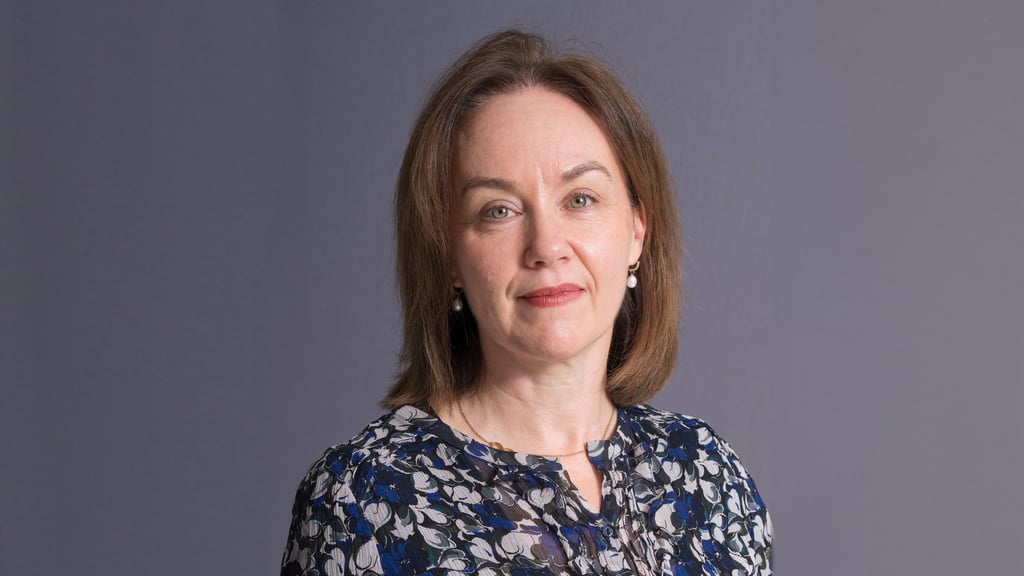
Professor Catherine Kelly appointed Dean of Law
UTS is delighted to welcome Professor Catherine Kelly as our new Dean of the Faculty of Law.

News
UTS 8th in Australia in global universities ranking
UTS placed 8th in Australia and 152nd in the world in 2027 Times Higher Education World University Rankings.
News
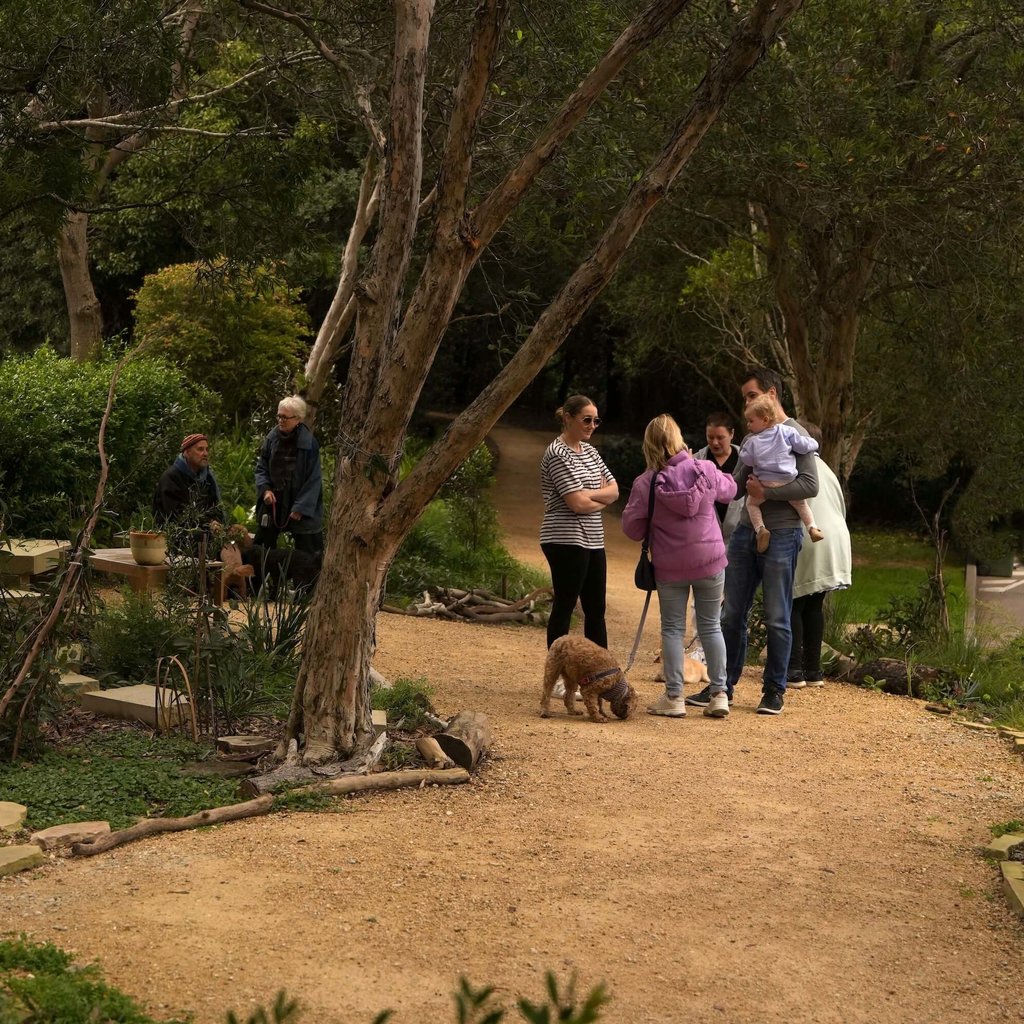
Ecological restoration turns over new leaf for Fred Hollows Reserve
The UTS-led renewal of a highly degraded urban space in Sydney’s eastern suburbs has cleaned up with a run of awards this month.
News
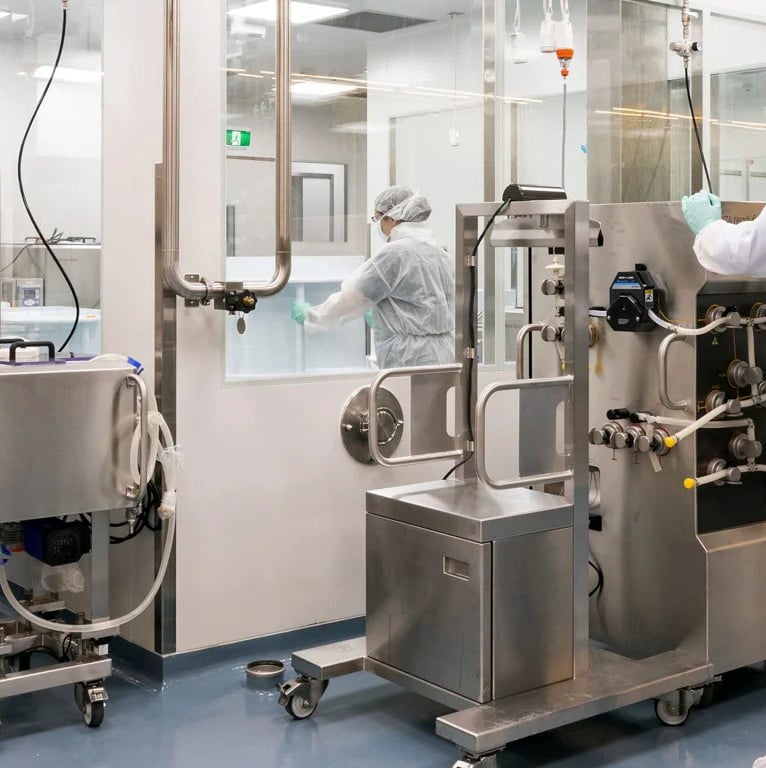
New partnership strengthens regulatory science engagement
UTS joins TGA Academic Outreach Program, strengthening connections between academic expertise and therapeutic goods regulatory practice.
News
Professor Catherine Kelly appointed Dean of Law
UTS is delighted to welcome Professor Catherine Kelly as our new Dean of the Faculty of Law.
News
UTS 8th in Australia in global universities ranking
UTS placed 8th in Australia and 152nd in the world in 2027 Times Higher Education World University Rankings.
News
Ecological restoration turns over new leaf for Fred Hollows Reserve
The UTS-led renewal of a highly degraded urban space in Sydney’s eastern suburbs has cleaned up with a run of awards this month.
News
New partnership strengthens regulatory science engagement
UTS joins TGA Academic Outreach Program, strengthening connections between academic expertise and therapeutic goods regulatory practice.