


- Posted on 11 Sep 2025
- 3 mins read
Centre for Media Transition Newsletter | Issue 16/2025
What a week – for Prudence, Elisabeth and James Murdoch. Each walk away with a $AU1.7 billion payout for their place in the Murdoch family trust – the one which was meant to be irrevocable – putting new meaning on the latest trend of people bringing forward inheritances.
The deal ends a long battle by Rupert and Lachlan Murdoch to wrestle control of the trust which holds the shares of the entire News Corp global media empire. Murdoch senior has long wanted his eldest son Lachlan to control the company’s future rather than his siblings (minus Grace and Chloe Murdoch who were included in the original trust but without voting rights). Now its future will be in 54-year-old, part time Sydney based Lachlan’s hands alone. And few doubt that the companies’ various outlets, including Fox News, The New York Post, The Wall Street Journal and of course all the News Corp Australian titles and entities, will remain conservative. Some say, very conservative as Lachlan Murdoch is believed to be more right leaning than his father.
Now there is a new trust, which includes the two youngest Murdoch children but not the older three siblings, and expires in 2050. The old trust which will now lapse was the result of Murdoch senior’s divorce from his 2nd wife, Anna Torv who agreed not to claim 50% of Murdoch’s extraordinary wealth if he agreed to place the wealth and future of his then smaller but growing global media company in a trust for the three children they shared and Prudence, from his first marriage. It’s a tale worthy of a Hollywood drama! Oh wait – Succession!
No doubt the drama will continue. Apart from any media business interests Elisabeth and James may wish to direct their inheritances towards, there’s a family fracturing after years of powerplays. If you’re interested in a very detailed look at the ins and outs of this family drama over the last decade, this in The New York Times (paywalled) is a great read.
Also, in our newsletter this week, Michael is looking at how the United States and the European Union deal with data and text mining copyright exceptions, after the bombshell suggestion from the Australia Productivity Commission that AI companies be given wider scope than currently available to use copyrighted material.
Tamara is looking at the latest move to water down our freedom of information laws which would wind back transparency of government behaviour. The government for its part says it deals with too many frivolous or ‘spam’ requests.
Susanne Lloyd Jones, one of our CMT research associates and a lecturer in the Law Faculty has conducted an interview with Cameron Stewart, national affairs reporter for The Australian on an idea that could revitalise the D-notice system. For those reading not old enough to remember what these were – D notices were issued by a committee made up of government and media representatives who agreed to not publish stories or certain information in the interests of national security. Have a listen to Double Take to hear Cameron talk about its prospects.
And finally, I’m taking a look at a proposal to establish a Whistle-blowers Ombudsman. Would that have helped Richard Boyle, who blew the whistle on what he claimed was illegal ATO behaviour. Boyle was charged but escaped a jail term after a plea deal accepted last week by the courts.
Author
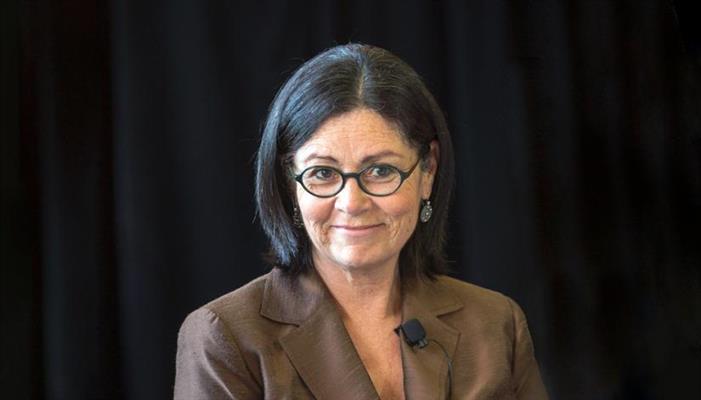
Co-Director, Centre For Media Transition, Faculty of Design and Society
Explore


News
Is AI really the problem?
Susanne Lloyd-Jones looks at the AI breaches of Australian Federal government sites and questions whether agentic AI working independently of human...

News
Maintaining trust in an era of AI Slop
Chris Hall takes a deep dive into the increasing amount of AI use on YouTube and he looks at how serious youtubers are being challenged by the increased...

News
Jason Arday and the media
This DoubleTake episode of the podcast features journalist and University of Melbourne lecturer Sami Shah talking with Monica about the media treatment of the...
News
Is AI really the problem?
Susanne Lloyd-Jones looks at the AI breaches of Australian Federal government sites and questions whether agentic AI working independently of human...
News
Maintaining trust in an era of AI Slop
Chris Hall takes a deep dive into the increasing amount of AI use on YouTube and he looks at how serious youtubers are being challenged by the increased...
News
Jason Arday and the media
This DoubleTake episode of the podcast features journalist and University of Melbourne lecturer Sami Shah talking with Monica about the media treatment of the...