

- Posted on 22 Jan 2021
- Updated on 22 Jan 2021
- 2-minute read
Knowing to what extent economics influence decision-making can support a drive to transition and build resilience in regional areas.
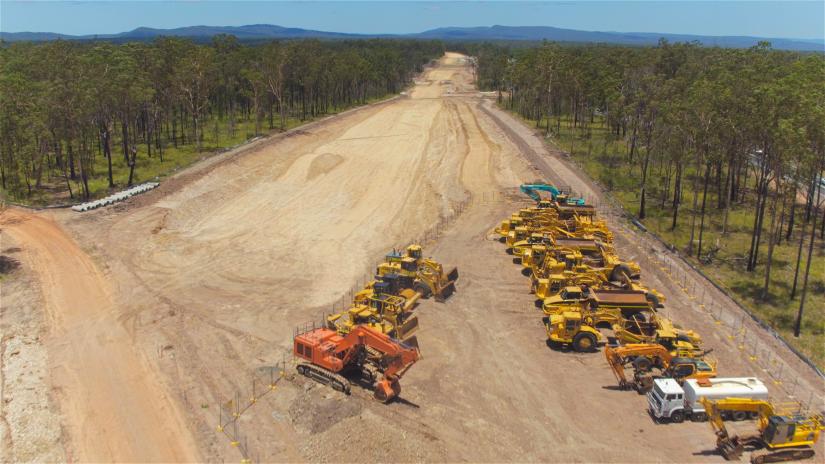
This project aimed to provide a rationale for a deeper examination of the role of economics in region-scale adaptation. ISF researchers interrogated the information gathered through the NSW Office of Environment and Heritage's Enabling Regional Adaptation (ERA) project to explore how economics featured in the considerations of regional decision-makers with regard to system transitions.
We were particularly interested in three questions:
- To what extent is ‘economics’ perceived to drive transitions in NSW regions?
- Were the adaptation actions identified through the Enabling Regional Adaptation project seen by regional decision-makers as requiring action by government or by ‘the market’?
- If action by government was required, could it be ascribed to market failure and what types of market failure were most commonly represented?
The project also detailed a case study from the Riverina-Murray of how economic analysis of a regional problem requiring an adaptive response – in this instance the impact of climate change on the cost of local road maintenance funded by NSW Roads and Maritime Services – can contribute to supporting transitions to enhanced regional resilience. Australia’s 560 Councils collectively manage $270 billion worth of infrastructure assets.


This project is working towards UN Sustainable Development Goal 8.
Explore Business and economies
Business and economies; Institute for Sustainable Futures
Research Centre
Year
- 2019
Services and capabilities
Client
- NSW Office of Environment and Heritage