
Using innovative approaches, management and partnerships to transform food waste and other organic resources into closed-loop value chains.
Feeding cities has resulted in the linear production and transport of vast amounts of food and other organic resources, much of which ends up down our toilets, in expensive landfills or polluting waterways. A third of all food produced globally is lost or wasted, along with the associated water, nutrients and energy. And a broken value chain this inefficient does not make business sense. Transformative change is needed to move away from the current linear approach towards a more circular economy.
By recovering and reusing food waste, wastewater and other organic resources we can create closed cycles that mimic nature. Creating circular organic value chains avoids pollution, reduces depletion of finite valuable resources, contributes to food security, improves public health and creates local employment opportunities – all these benefits from untapped and undervalued waste streams.
Transforming to a circular economy requires cross-sectoral collaboration across the value chain from end-users to producers. We get it. We bring together diverse stakeholders from the waste, energy, water and food sectors to partner in creating efficient and effective value chains. We understand that there are barriers to change – such as regulatory fragmentation or cost-effectiveness – in a complex system. We’ll work with you to overcome these barriers and to tailor strategic and practical solutions to address your needs while maximising sustainable outcomes.
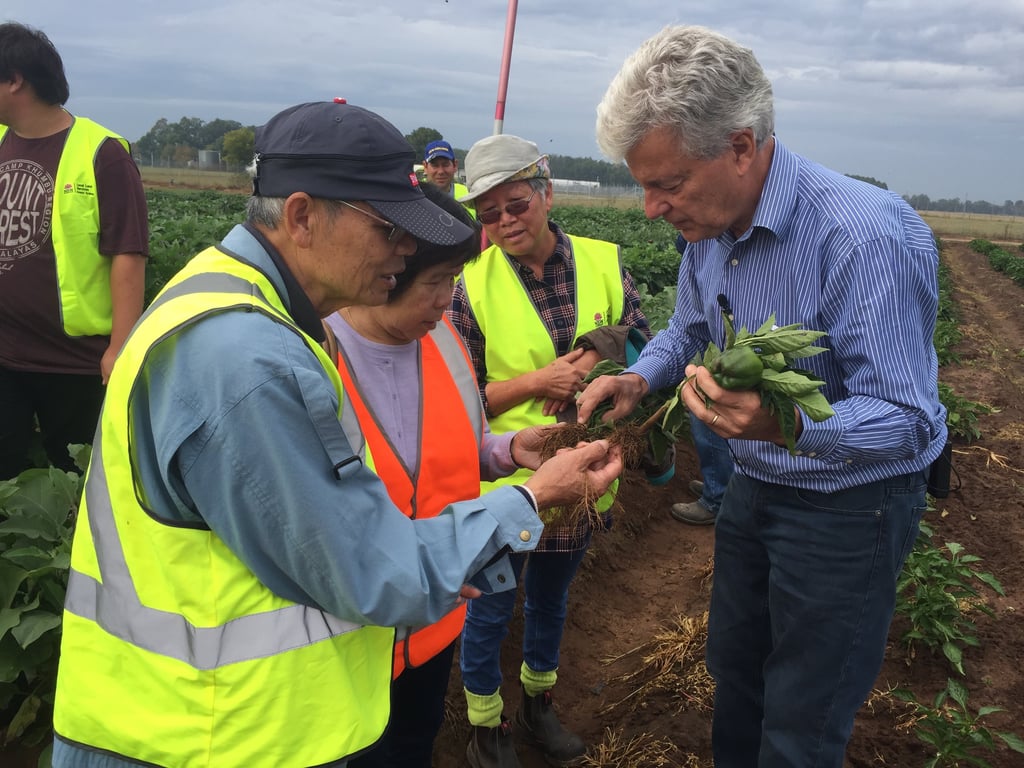
Creating demand for recycled organic compost: social research on the Sydney compost value chain
For this NSW Environment Protection Authority-funded project, ISF worked in partnership with the NSW Department of Primary Industries' Greater Sydney Local...
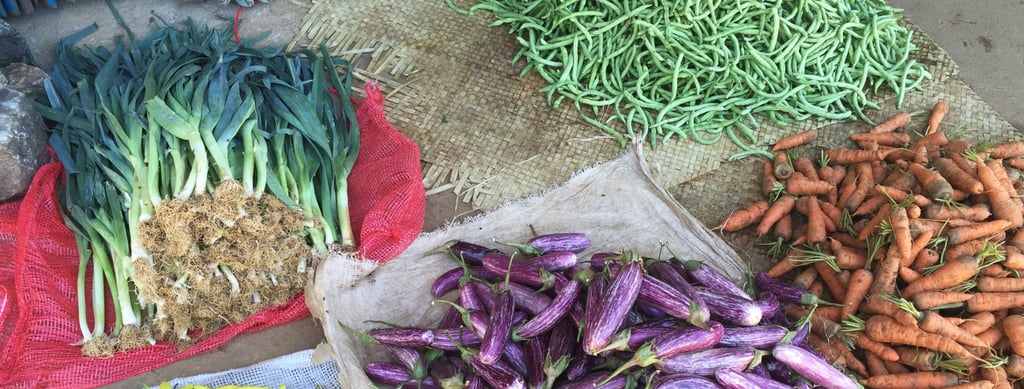
From urban waste to sustainable value chains: linking sanitation and agriculture through innovative partnerships in Sri Lanka
This applied research project in Sri Lanka connects the waste management, sanitation and agriculture sectors through the circular economy, to improve food...
View more projects
Organix19: organics waste management in a circular economy
PROJECT | 2019
Organix19 – a forum developed by ISF in partnership with the Department of Planning, Infrastructure, and Environment, and sponsored by Sydney Water – brought together 65 stakeholders involved in the generation, management, reuse, regulation and research of organics waste management in the Greater Sydney region.
Client: Environment Protection Authority (NSW)
Researchers: Dena Fam, Melita Jazbec, Andrea Turner, Brent Jacobs, Laura Wynne, Elsa Dominish, Federico Davila, Fiona Berry, Katie Ross, Louise Boronyak, Rachael Wakefield-Rann, Nick Florin, Rachel Watson, Dana Cordell
Research outputs
Organix19 - Organics waste management in a circular economy (2019) (Report)
Organics Revolution: planning for 2036 and beyond
PROJECT | 2018-2020
Researchers: Melita Jazbec, Andrea Turner, Ben Madden
Circular economy opportunities for fisheries and aquaculture in Australia
PROJECT | 2021
Client: Fisheries Research and Development Corporation
Central Park Precinct organics management feasibility study
PROJECT | 2017-2018
Zero Waste Leura
PROJECT | 2020-2021
Waste diversion strategies for the City of Playford
PROJECT | 2017
Client: City of Playford, SA
LFHW Festival & Markets food waste
NEWS | Feb 2017
The Pyrmont-Ultimo Precinct scale organics management scoping study
PROJECT | 2017
Food scraps to soil conditioner: processing food waste onsite at UTS
PROJECT | 2016
No flies on ISF as it leads the way in urban organics and food waste management
IMPACT STORY
Team