


Associate Professor Vanessa Scarf, midwife, lecturer and researcher at UTS, shares what it really takes to work in one of the most rewarding roles in healthcare.
Watching a baby being born, a woman becoming a mother and a family taking shape is something Associate Professor Vanessa Scarf never takes for granted. Scarf spent more than 20 years in clinical practice before moving into academia, where she now teaches future midwives and conducts research in the field.
But midwifery is about much more than birth. It’s a complex, varied and deeply human role, and one that looks very different depending on where and how you work.
Midwifery at a glance
| Category | Overview |
|---|---|
| Role | Support women and families throughout pregnancy, birth and the postnatal period |
| Typical work settings | Hospitals, birth centres, community health, and continuity of care models |
| Key skills | Empathy, communication, collaboration, cultural safety and clinical decision-making |
| Career pathways | Clinical midwife, educator, manager, clinical consultant, researcher and academic |
| Study pathways | Bachelor of Midwifery or Graduate Diploma in Midwifery (for registered nurses only) |
What does a midwife do and where do they work?
Midwives care for women across pregnancy, labour and birth, and the postnatal period. Their role includes providing antenatal care, monitoring the health and wellbeing of both mother and baby, offering education and support, recognising when additional medical care may be needed and helping women make informed decisions throughout pregnancy and birth. After birth, midwives support recovery, infant feeding, newborn care and the transition to motherhood. What this looks like day-to-day varies depending on where a midwife works.
Midwives work across hospitals, birth centres, community health services, continuity of care models, home birth services and universities. During a busy hospital shift, a midwife may move between rooms, providing clinical care and emotional support to women while responding to changing situations. In continuity of care models, midwives may support the same woman throughout pregnancy, birth and the postnatal period, building relationships and providing more personalised care.
What are the career paths?
Midwifery offers a wide range of career directions. Working clinically as a midwife is the most well-known pathway, whether in a hospital, birth centre or private practice setting. Within the hospital system, there are also opportunities to move into roles such as midwifery educator, manager and clinical midwifery consultant. For those interested in research and teaching, academic roles in midwifery offer another pathway.
Midwives work in partnership with women and really recognise their autonomy and role in decision-making.
What do you need to study?
At UTS, there are two pathways into midwifery. The Bachelor of Midwifery is a three-year degree that can be entered straight from school or as a mature age student. For registered nurses who would like to become a midwife, the Graduate Diploma in Midwifery offers an alternate route into the profession.
What skills matter most?
Midwifery is grounded in relationships. Midwives support women and families across pregnancy, birth and early parenting, building trust and providing care that is continuous, respectful and responsive to individual needs.
Strong relational skills are central: listening, empathy and cultural safety, along with the ability to create environments where women feel safe, heard and supported.
Reliability and collaboration are also critical, as midwives work across settings with families and other care providers.
Rather than focusing only on birth or hospital care, midwifery has a broad, holistic scope. The most important skills are those that enable connection, continuity and woman‑centred care.
What are the challenges?
The variety of the work is one of midwifery's greatest strengths, but it also brings real challenges. In a hospital setting, the work can be demanding, with busy shifts at any hour of the day or night. There are also days when things don't go to plan and outcomes aren't what was hoped for. Scarf says these moments are some of the most difficult to navigate as a midwife.
Advice for future midwives
Being a midwife means taking the time to listen deeply, being present and allowing trust to develop. The relationships you build will be central to safe, respectful care.
Partnership sits at the heart of this work. Supporting women to make informed decisions means recognising their autonomy and valuing their knowledge of their own bodies and lives. Alongside clinical skills, you’ll develop compassion, emotional intelligence and clear communication.
It also calls for reflection, understanding your own values and assumptions so you can provide culturally safe and inclusive care.
As you grow in the profession, caring for your own wellbeing becomes essential. Sustaining this work means staying connected to the core philosophy of midwifery: respect, continuity and belief in women’s capabilities.
Midwifery is, at its heart, a relational profession. You don’t just provide care, you walk alongside women and families, building trust and supporting them through some of the most significant moments of their lives.
Featured researcher
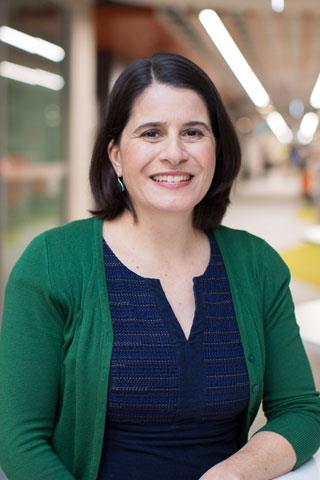
Associate Professor, Faculty of Health
Webpage
A different path, a clearer purpose
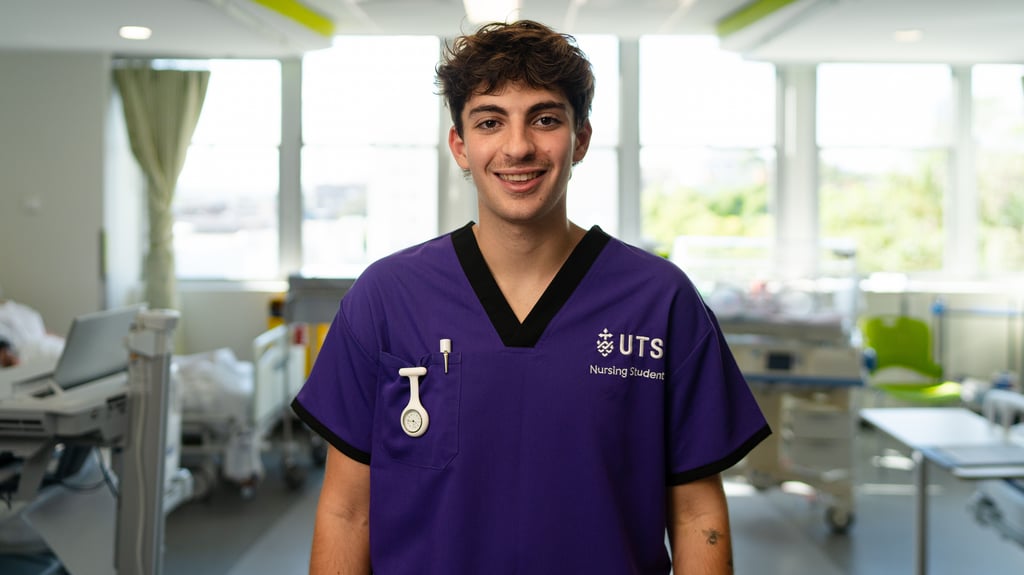
Rather than follow a set path, Nat Farah followed his interests – and found his dream career in nursing.
Webpage
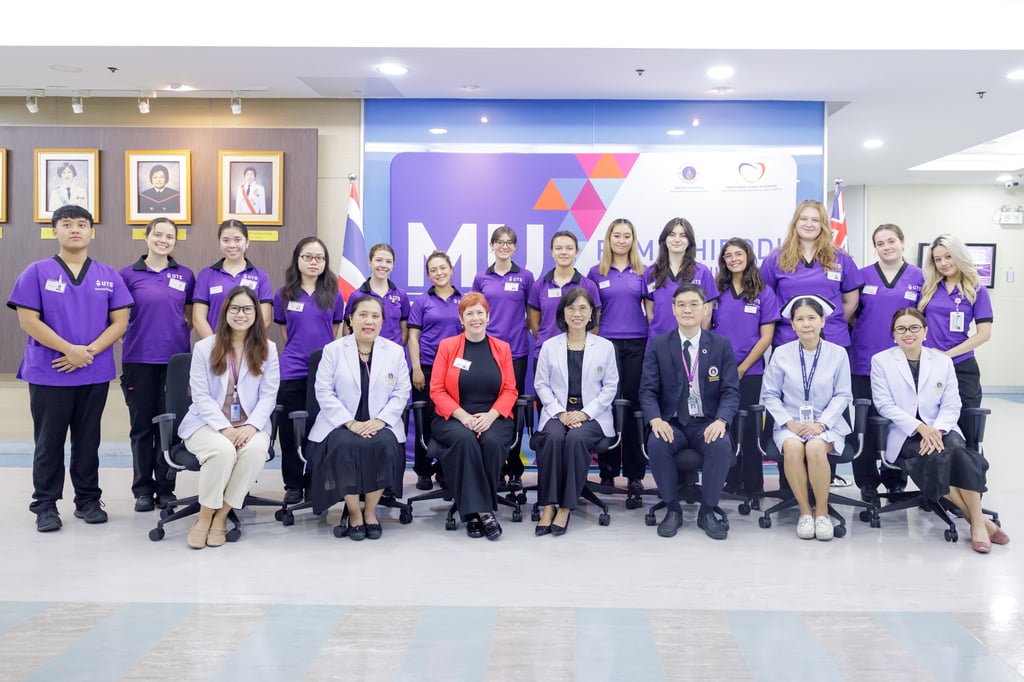
Nursing careers have no borders. Neither do UTS Nursing degrees.
At UTS, international travel is transforming the nursing student experience.

Webpage
A gap year turned into a nursing degree at UTS
Born in Russia, educated in Thailand, and now studying nursing at UTS — Leo's path to university was anything but typical.
Webpage
Changing careers to midwifery: Laura's journey to finding her calling
After a director-level career in PR, Laura chose the UTS Bachelor of Midwifery to follow her calling and balance study with family life.
Webpage
A different path, a clearer purpose
Rather than follow a set path, Nat Farah followed his interests – and found his dream career in nursing.
Webpage
Nursing careers have no borders. Neither do UTS Nursing degrees.
At UTS, international travel is transforming the nursing student experience.
Webpage
A gap year turned into a nursing degree at UTS
Born in Russia, educated in Thailand, and now studying nursing at UTS — Leo's path to university was anything but typical.
Webpage
Changing careers to midwifery: Laura's journey to finding her calling
After a director-level career in PR, Laura chose the UTS Bachelor of Midwifery to follow her calling and balance study with family life.