

How Alex's hands-on degree in Forensic Science and global mobility created a clear path to law enforcement.
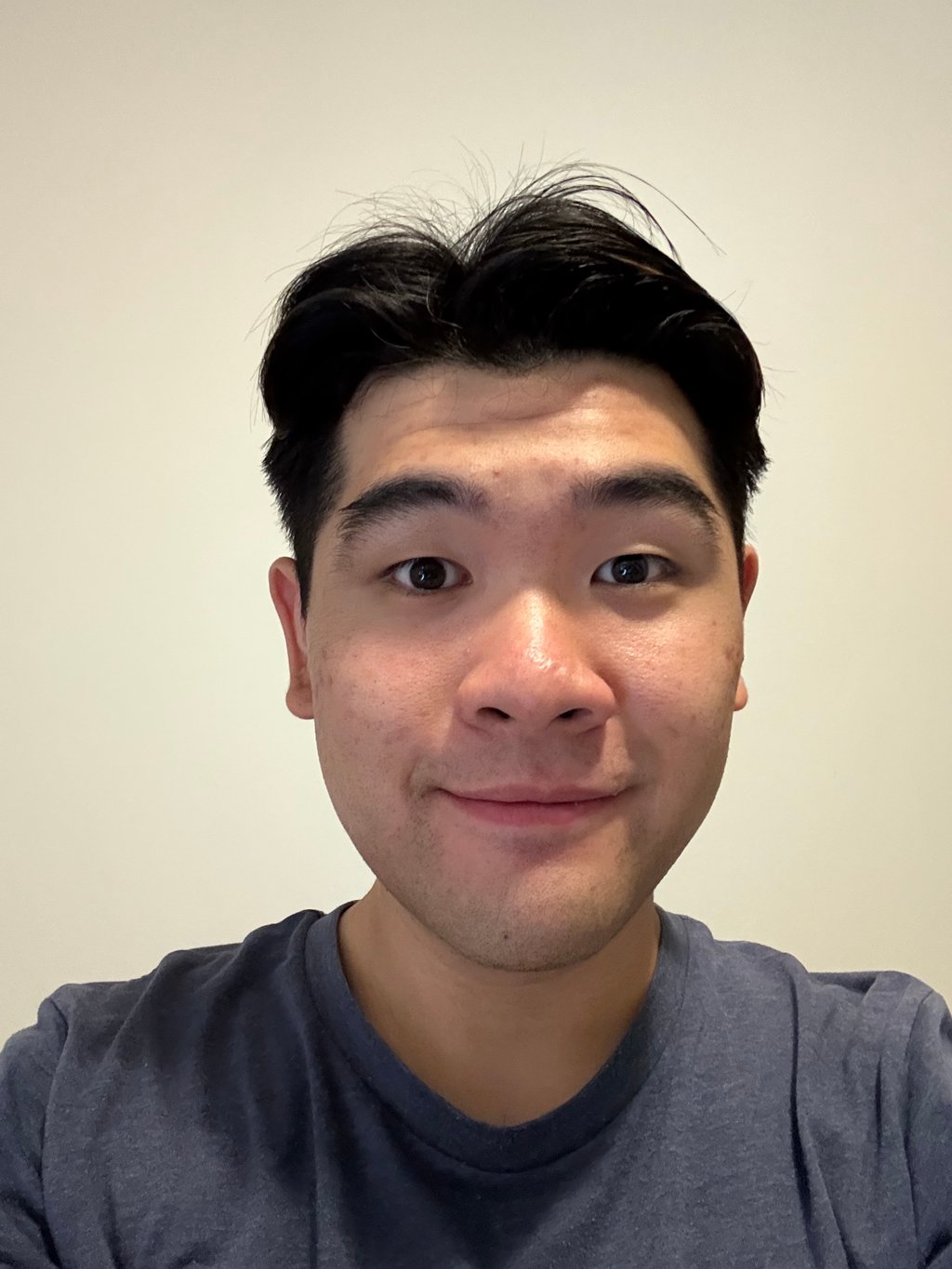
“Studying Forensic Science at UTS is truly unique—engaging, thought-provoking, and filled with ethical challenges that sharpen your mind.”
Alex Ng
What degree are you studying at UTS?
I am currently studying a Bachelor of Forensic Science with a major in Crime Scene Investigation (CSI).
What motivated you to study Forensic Science?
Forensic Science is an intriguing combination of science and justice. I enjoy unravelling a complex case, using the evidence to reconstruct a crime scene and the timeline. Each scenario is always different and challenging, and having that element of the unknown is extremely exciting for me!
What do you enjoy most about studying at UTS?
What I love most about studying at UTS is the interactive learning. There’s always something practical for us to dive into. Many of our classes include a hands-on component in the state-of-the-art facilities, whether in a laboratory, a simulated crime scene, or a computer lab working with case data. I’m not just learning theory – I’m using it. The hands-on approach makes my studies both fun and meaningful.
I have also had the opportunity to meet and make friends with students studying different majors. It’s really fun to collaborate, learn and build connections with people from various backgrounds, and now they have become some of my closest friends.
What is it like to study Forensic Science at UTS?
Studying Forensic Science at UTS is truly unique—engaging, thought-provoking, and filled with ethical challenges that sharpen your mind.
You gain hands-on skills in crime-scene analysis while also exploring the wider world of law enforcement, the justice system and emerging research.
And, the demonstrators, teaching assistants and lecturers at UTS are all extremely helpful and push you to question everything so that you are always sharpening your skills and your curiosity.
What other activities do you participate/do at uni?
I completed a one-month exchange in Indonesia with the Universitas Gadjah Mada Science Study Program. I also applied for and received a scholarship via the New Colombo Plan Mobility Program, which covered all my expenses. It was eye-opening to talk to the local students and to understand their learning styles and the problems in their communities. The people I met were all amazing, and I still keep in touch with my Indonesian friends!
I also work as a Student Ambassador for the Faculty of Science, which means I share my personal university experiences at UTS with future students. I tell them the good, the bad, and everything in between, so that they can feel confident choosing a direction they really want.
Is there any advice you would give students studying Science at UTS?
Say yes to every opportunity. Go on exchange if you can—it was one of the best decisions I made. Join societies, explore new interests, and connect with people outside your usual circle. Every conversation can open a door you didn’t know existed.
And remember, don’t let the small stuff weigh you down. UTS taught me more than science—it taught me independence, resilience, and that there’s no single path to success. Plans can change, and that’s okay. Support is always there if you need it.
University isn’t just about grades; it’s about growth. So be bold, take chances, and make this journey truly yours.
What would you like to do once you complete your degree?
Working with the Australian Federal Police is a major goal, and I’m also considering roles with agencies like the NSW Police Force or the Forensic & Analytical Science Service. I’m passionate about applying what I’ve learned in meaningful ways.
Further study is definitely on the table too—whether it’s Honours at UTS or even a Master of Forensic Science degree. Right now, I’m keeping my options open because I know opportunities can lead to unexpected and exciting paths.
I’m determined to build a career that challenges me, makes an impact, and pushes me to keep growing—because this is just the beginning.
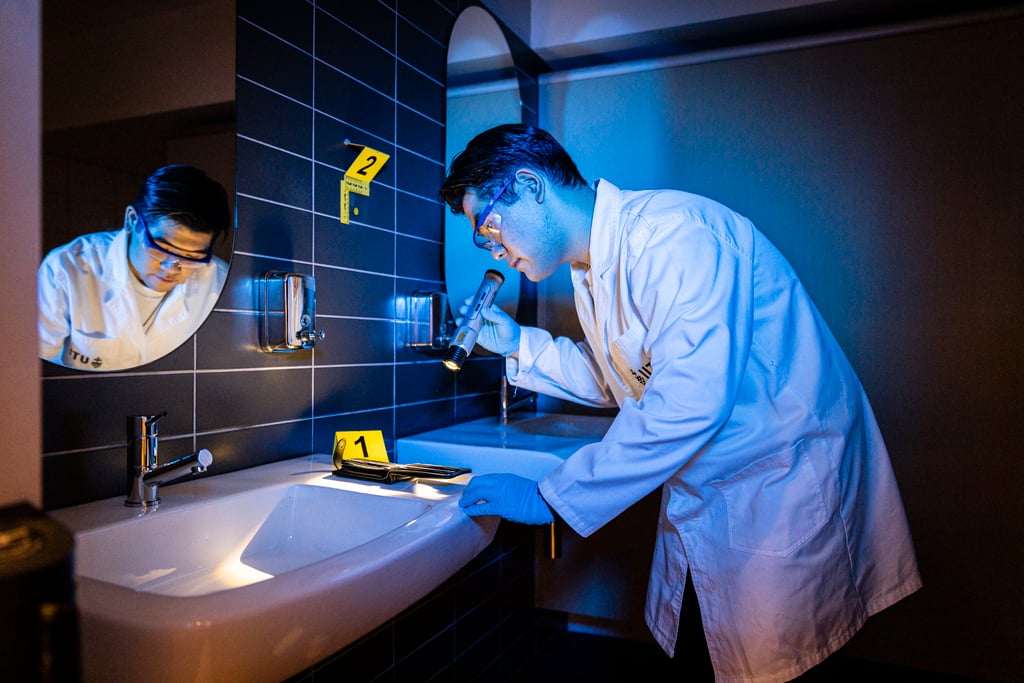
Your future in forensic science: Career guide
Curious about where a career in forensic science could take you? Discover career pathways in crime scene investigation, laboratory analysis and forensic research, and explore the practical skills and technologies shaping the future of the industry.

Webpage
Your Open Day Journey into Science at UTS
Study science at UTS, where you’ll get one of the best hands-on degrees Australia can offer. UTS Science Open Day will pave the way for all the possible...
Webpage
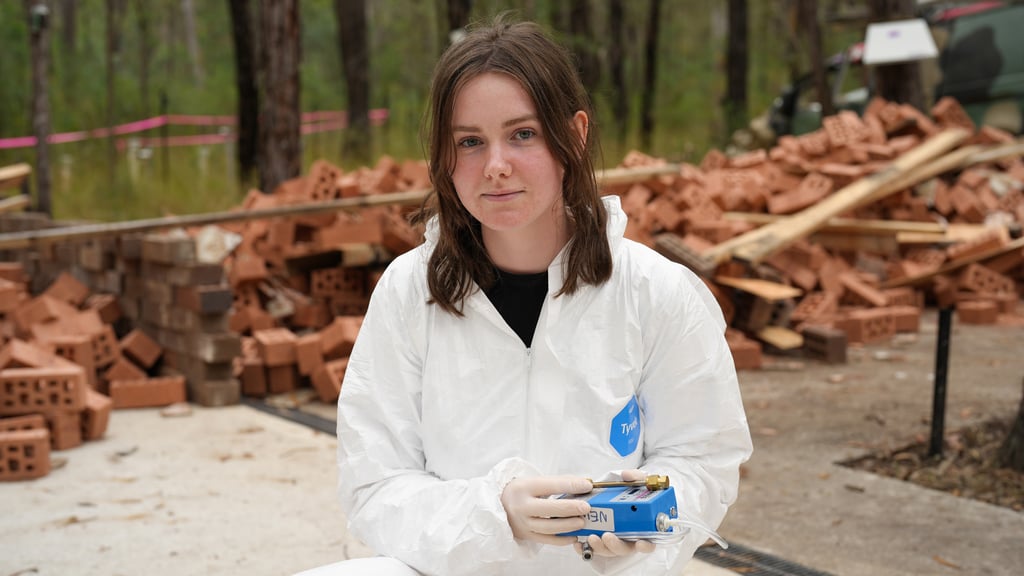
Life finds a way
Forensic scientist and PhD student Bridget Thurn is untangling the mysteries of life, death and what it means to be human.
Webpage
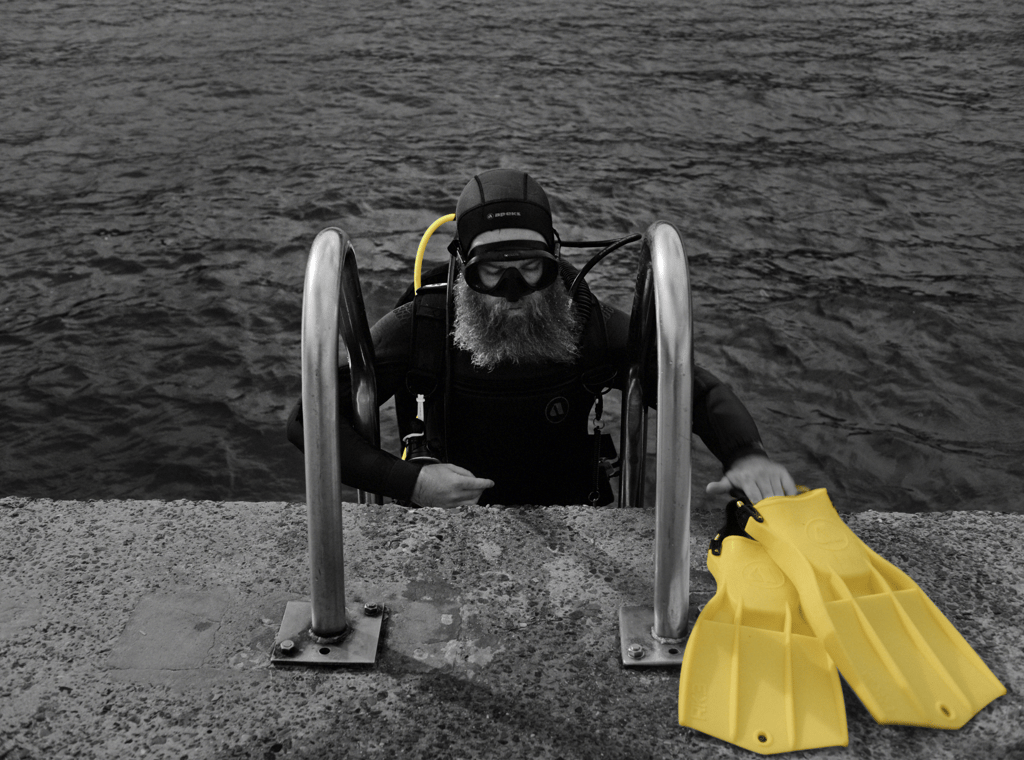
Living a childhood dream
Mitchell spends his days doing what he loves: researching ways to conserve seahorse habitats and helping endangered or threatened marine species thrive.
Webpage
What it’s really like to be a marine biologist
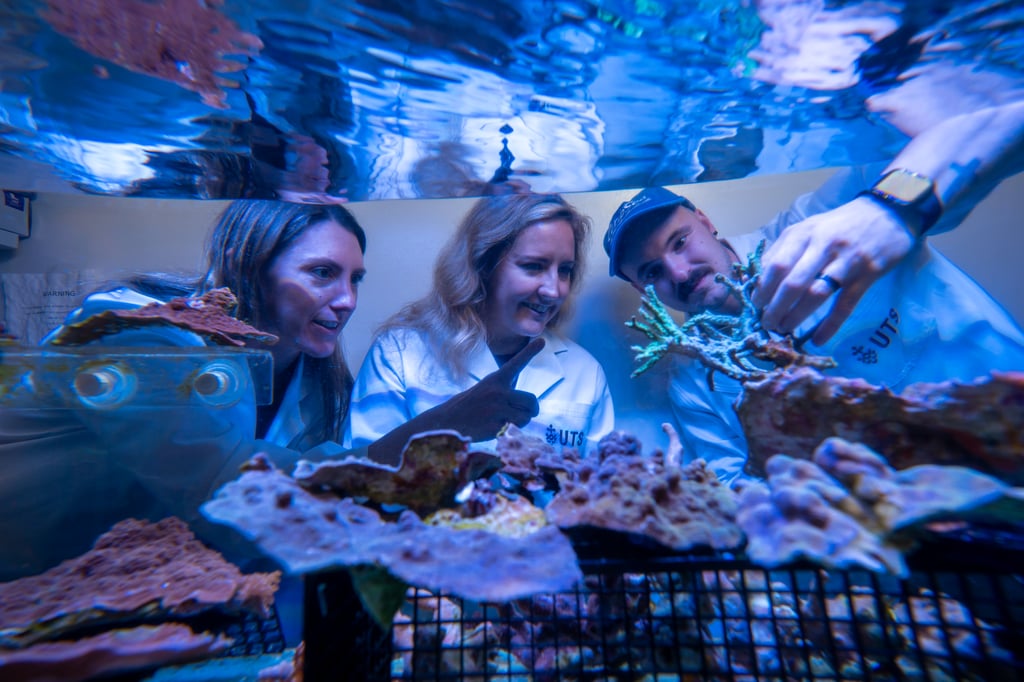
Dr Emma Camp shares the skills, challenges and rewards of studying life in the ocean.
Webpage
Your Open Day Journey into Science at UTS
Study science at UTS, where you’ll get one of the best hands-on degrees Australia can offer. UTS Science Open Day will pave the way for all the possible...
Webpage
Life finds a way
Forensic scientist and PhD student Bridget Thurn is untangling the mysteries of life, death and what it means to be human.
Webpage
Living a childhood dream
Mitchell spends his days doing what he loves: researching ways to conserve seahorse habitats and helping endangered or threatened marine species thrive.
Webpage
What it’s really like to be a marine biologist
Dr Emma Camp shares the skills, challenges and rewards of studying life in the ocean.