


Unlock limitless career pathways with a Bachelor of Medical Science from UTS
Choose the world-class UTS Bachelor Medical Science and take your place at the forefront of the health, medical and biotechnology sectors.
Medical science is all about promoting, protecting and improving human health and wellbeing. But it’s more than just a feelgood profession—the global medical science industry is growing at an exponential rate. Technological advances, an ageing population and an increasing burden of chronic disease means that qualified professionals are more in demand than ever before.
The future of medical science careers in Australia
If you’re looking for a career that will prepare you to lead the future of health, medicine and biotechnology, look no further than medical science. This scientific discipline has a strong global outlook: according to Deloitte, the pharmaceutical, biotech and medtech sectors are already worth almost $3 trillion, with more growth ahead. In Australia, the government is investing billions in medical research and commercialisation, pharmaceutical manufacturing, clinical trials and biotechnology, to name a few.
It’s good news for medical science graduates, who will enter a job market with more variety and opportunity than ever before. It doesn’t hurt that medical science salaries are pretty healthy, too. From established career paths in laboratory, research or pharmaceutical science to emerging disciplines like genomics, personalised medicine and AI-driven diagnostics, opportunities (and inspiration!) abound.
Study a Bachelor of Medical Science at UTS
The first step towards a medical science career is enrolling in a Bachelor of Medical Science. This three-year undergraduate degree will prepare you to work at the intersection of scientific enquiry and human health.
There are lots of medical science degrees on offer, but there’s only one that combines the future focus, hands-on skills development and technology-enabled innovation that industry organisations are looking for. With the UTS Bachelor of Medical Science, you’ll gain a world-class qualification that will prepare you to meet the market.
Here’s why:
- Choose your own adventure: Major in either Medical and Health-related Sciences or Pathology, depending on your interests.
- Prepare for leadership: Pathology students can also apply for our competitive fourth-year Laboratory Medicine Professional program, preparing them to pursue more senior roles.
- Explore industry-informed curriculum: Immerse yourself in course content shaped by health and medical science leaders and emerge with skills that are sought after by industry.
- Benefit from technology-led learning: The medical science sector is being reshaped by technology. Stay ahead of the curve with technology-integrated teaching and learning that will prepare you for a tech-enabled future.
- Get hands-on work experience: Pursue internships in laboratory and research settings and experience the realities of a medical science career long before you graduate.
- Learn in purpose-built spaces: Study like a professional in science super labs and other cutting-edge facilities that mimic real-world medical science environments
- Travel the world: Get a global perspective on the medical science profession when you take your degree overseas—spend up to two semesters at one of our international partner universities with the UTS Global Exchange program.
The graduates that are coming out of UTS actually have all the right background for us to be employing them.
Career pathways for Bachelor of Medical Science graduates
Medical science jobs aren’t just in laboratories. They’re in hospitals, policy offices and publishing houses, too. Rather than preparing you for a single career, the UTS Bachelor of Medical Science will equip you with highly transferrable skills that you can apply across the health and biotechnology sectors.
So, what can you do with a medical science degree? Here are some of the medical and biomedical science careers you’ll be ready for.
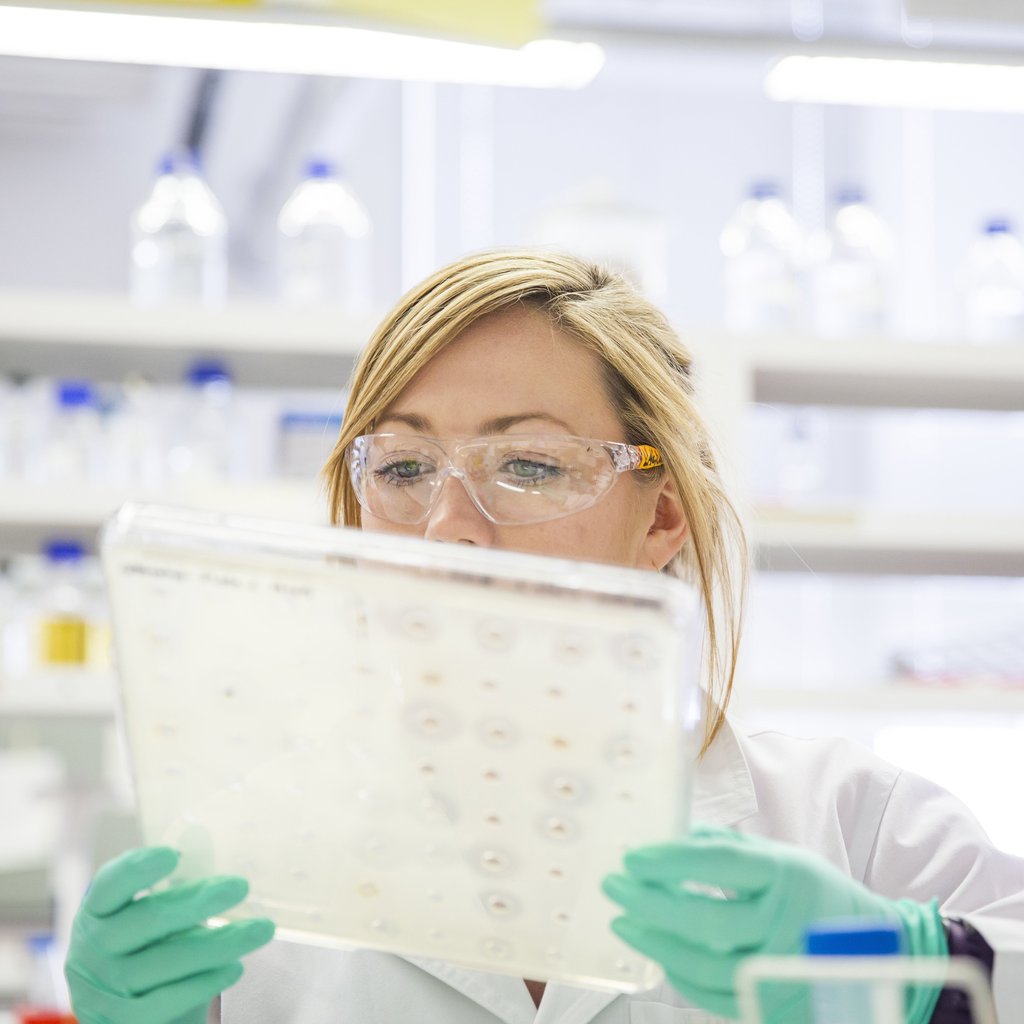
Medical laboratory scientist
Analyse patient samples (such as blood, urine or tissue) to reveal diagnostic information that can extend and save lives.
Salary: $104,208 (median)
Why are medical laboratory scientists in demand?
An ageing population, a growing burden of chronic disease and a growing focus on personalised medicine means that medical laboratory activity is at an all-time high.
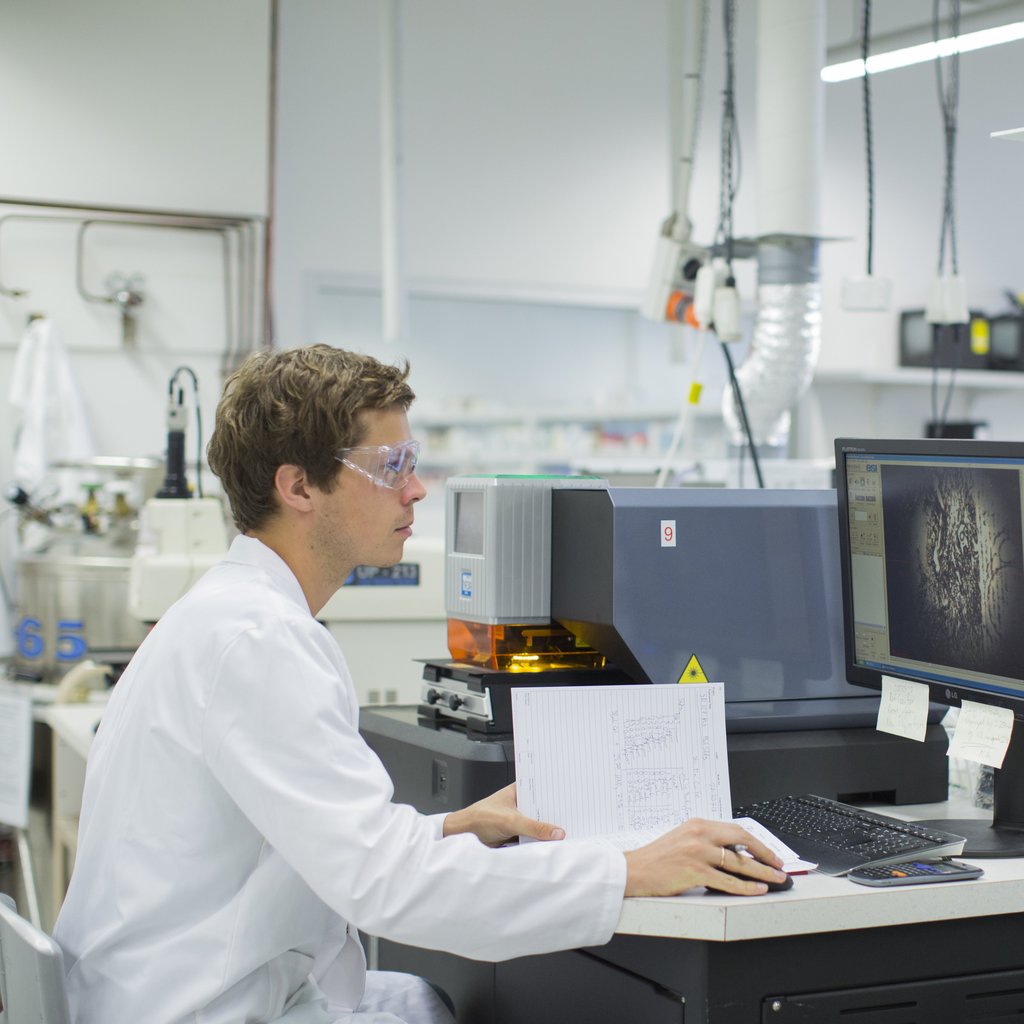
Medical biotechnology specialist
Develop new biopharmaceutical products and technologies that can transform disease prevention, diagnosis and treatment.
Salary: $95,068 (average, all biotechnology roles), with an estimated increase of 15% by 2030.1
Why are medical biotechnology specialists in demand?
The Australian Government is investing heavily in the health and medical biotechnology sector. Qualified medical biotechnology specialists will be essential to supporting world-class research and product development in this space.2
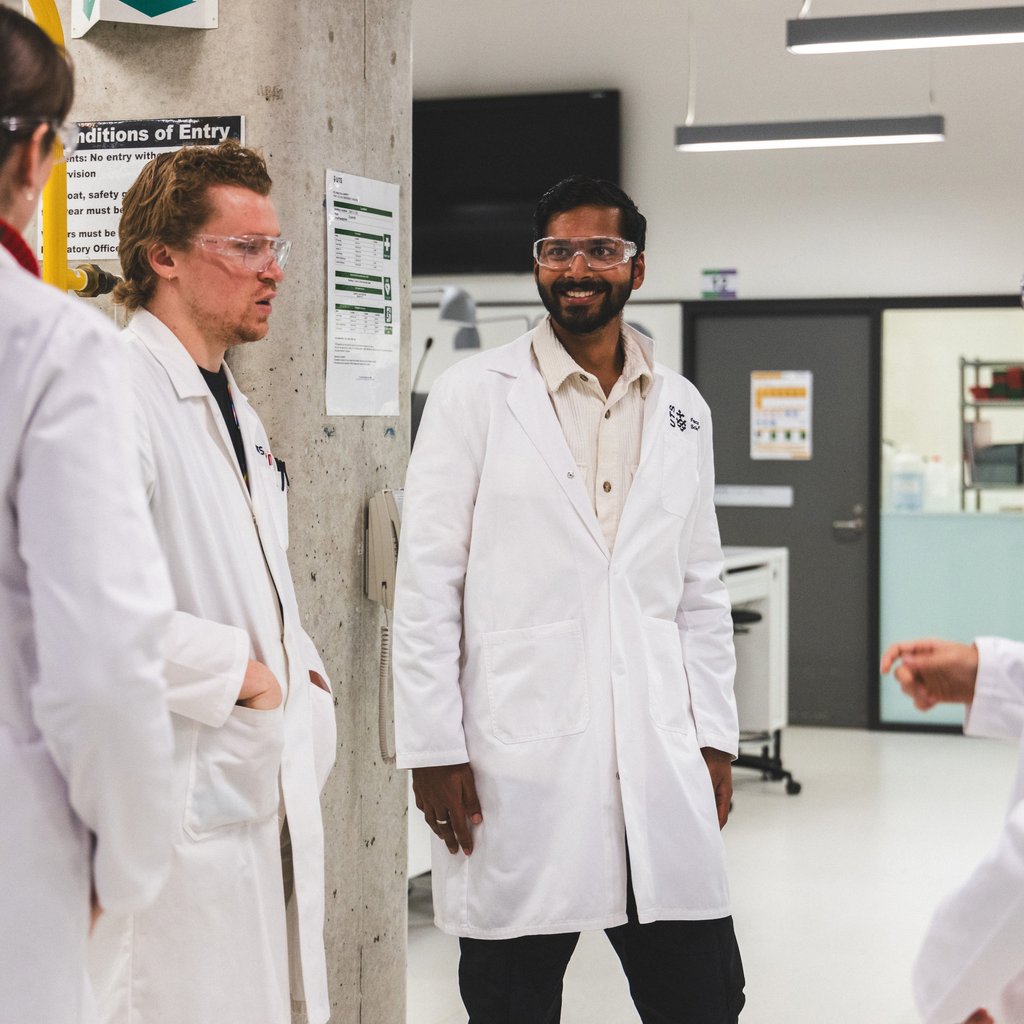
Clinical research associate
Oversee the clinical trials that make new drugs and medical devices available to everyday people.
$102,000–$125,000 (average, all research associates)3
Why are clinical research associates in demand?
Australia’s clinical trial activity has recently been bolstered by a $750 million government investment. Clinical research jobs will be key to delivering on this funding.
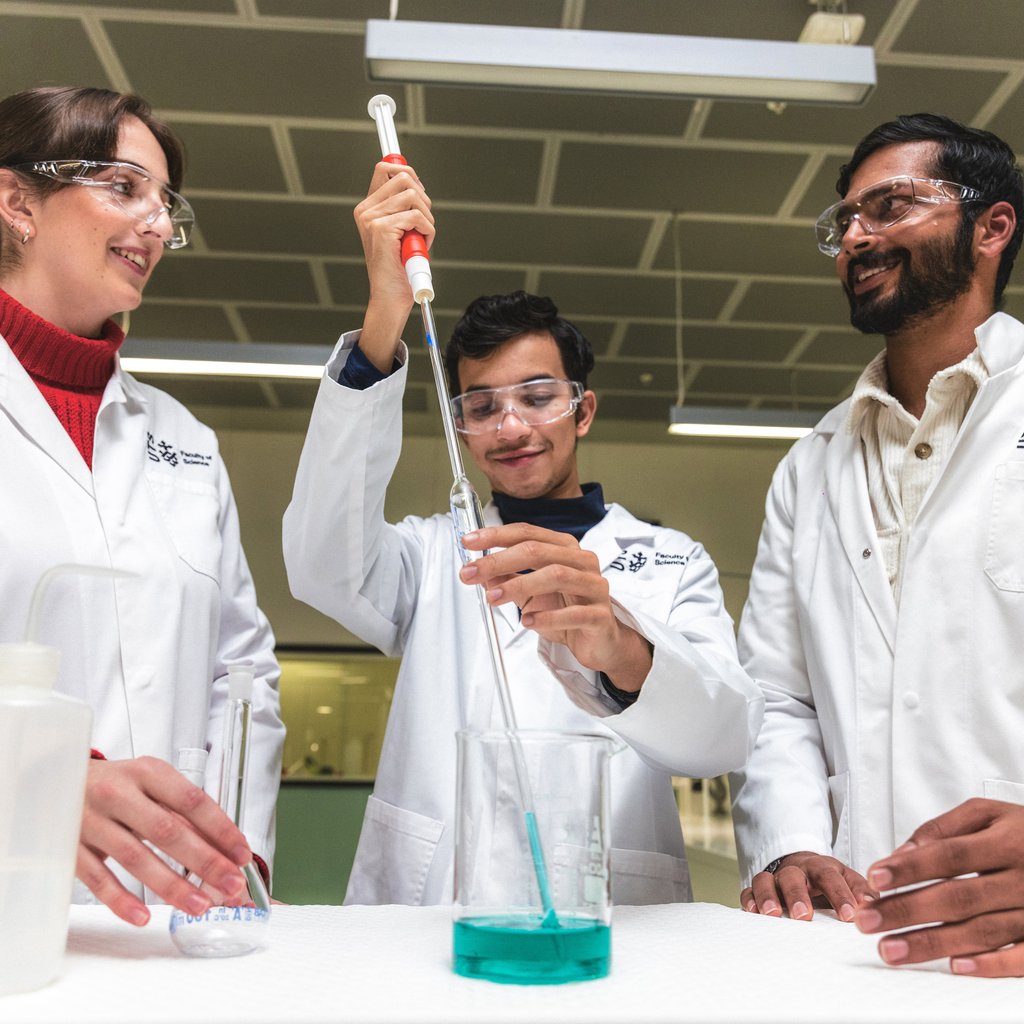
Pharmaceutical scientist
Research, formulate and develop new drugs or contribute to testing and quality control that keeps the community safe
Salary: $95,677 (average), $118,063 (senior roles) 4
Why are pharmaceutical scientists in demand?
Australia’s pharmaceutical industry is booming, with 28,000 new medical technology, biotechnology and pharmaceutical jobs expected to emerge by 2030.
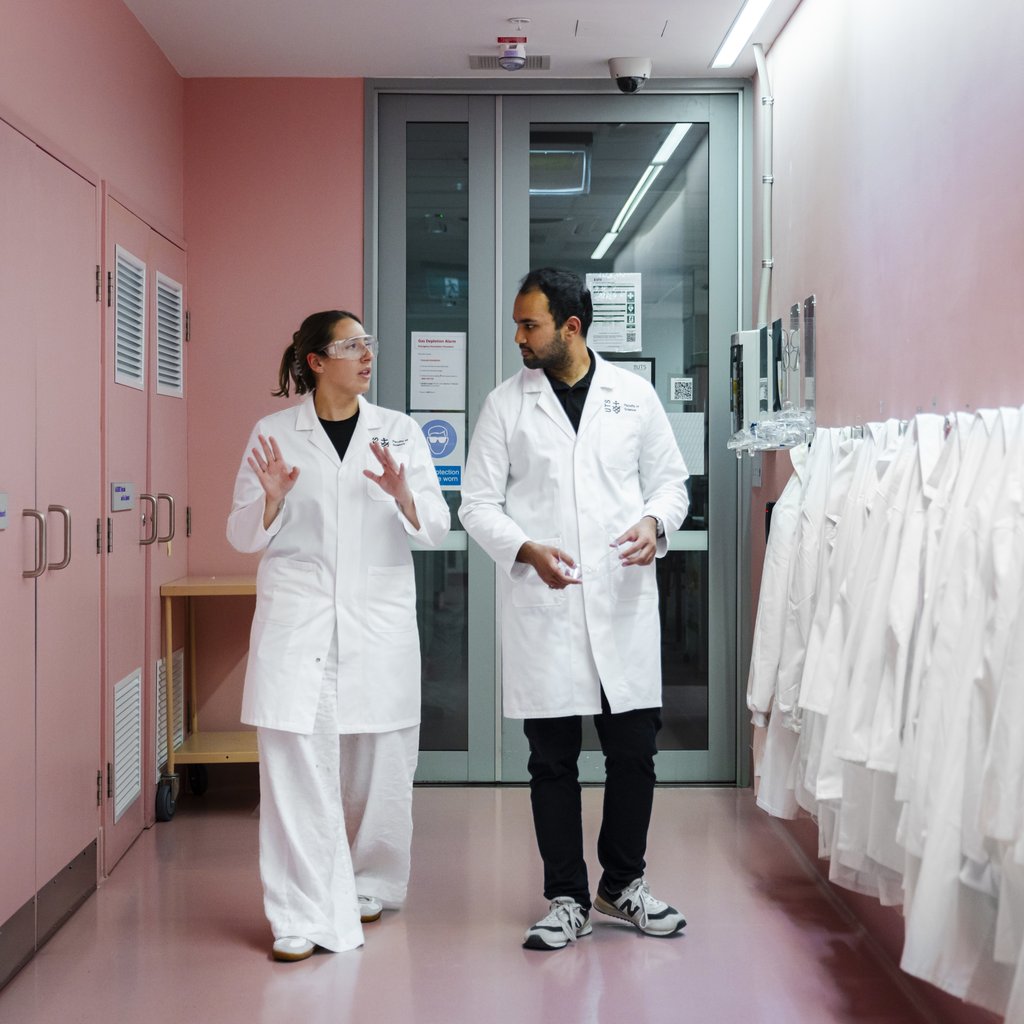
Health care policy advisor
Shape, deliver and implement policies that make quality health care more cost-effective, accessible and equitable.
Salary: $121,952 (average, all policy advisor roles) 5
Why are health care policy advisors in demand?
In an increasingly complex health care environment, policy advisors provide analysis and evidence-based recommendations that lead to better health outcomes for all
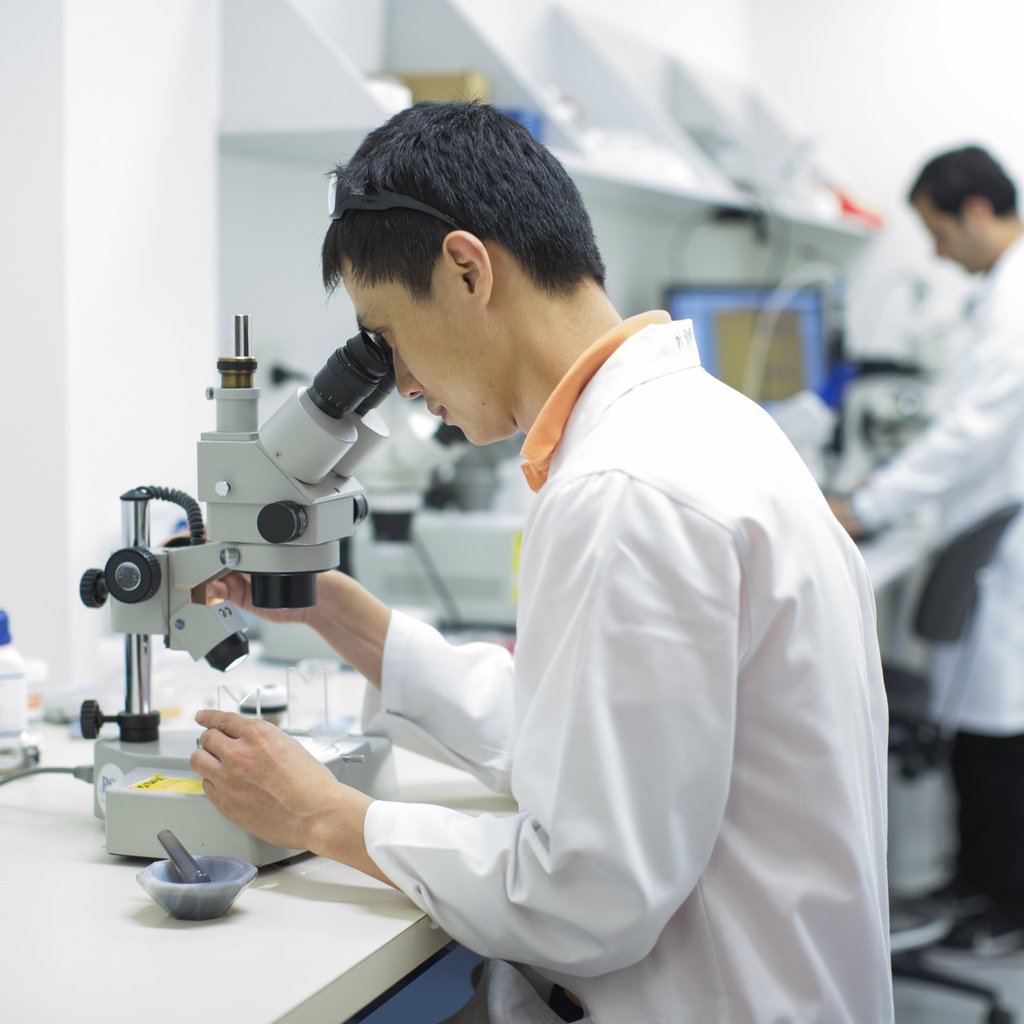
Research scientist
Build the evidence base that helps health professionals diagnose and treat diseases.
Salary: $112,118 (average) 6
Why are research scientists in demand?
Scientific research sits at the foundation of health care knowledge and new technologies, treatments and medical breakthroughs that have the power to save lives.
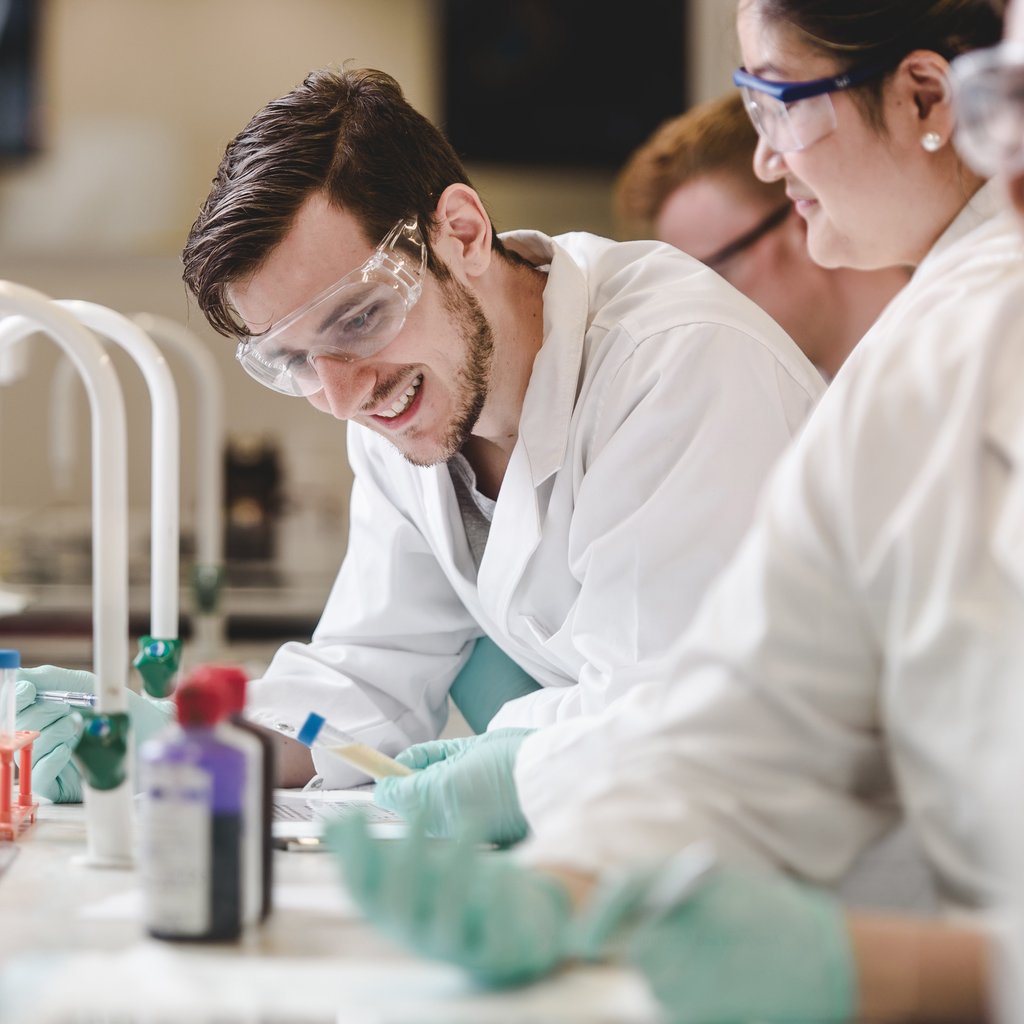
Public health officer
Promote good health and prevent disease and injury through campaigns, programs and planning activities.
Salary: $101,629 (average) 7
Why are public health officers in demand?
The Public Health Association of Australia is calling for a national training program to help grow Australia’s public health workforce. 8

Science communicator
Make science accessible to everyday people by translating complex information into easily digestible content—think blogs, podcasts, reels, exhibits and more.
Salary: $77,000–$150,000 9
Why are science communicators in demand?
As science and technology becomes more complex, professionals who can simplify breakthrough findings for broad audiences will be highly sought after.
UTS medical science alumni in action
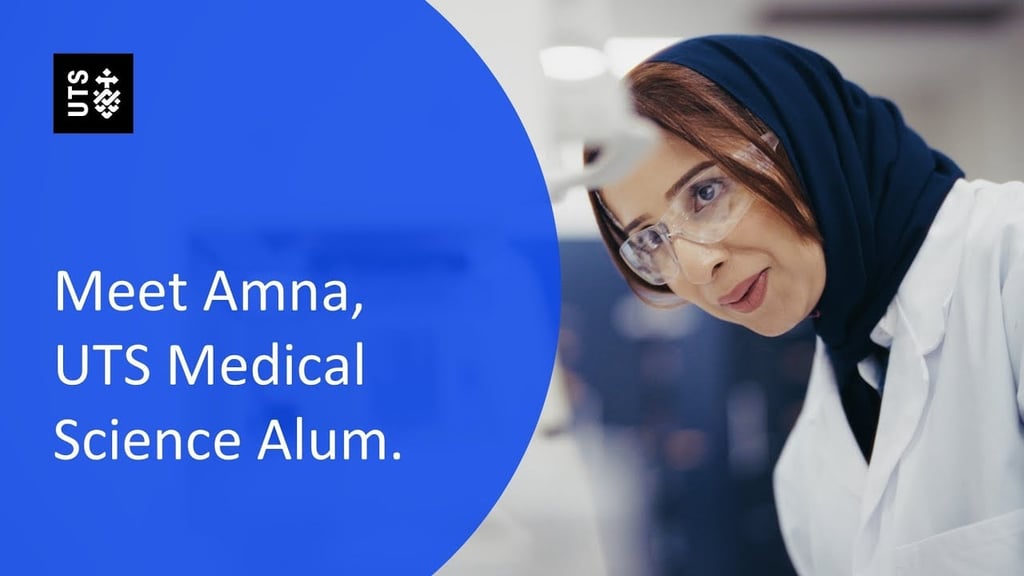
Amna Zaphoor is a UTS graduate who completed her Bachelor of Medical Science in 2016. Now a research scientist at drug development company Syntara, Amna knew a science degree could help her make a difference in the lives of others—but what she didn’t know was just how fast UTS could help her find her footing in the industry.
“The facilities at UTS were very state-of-the art, and they really resonated and aligned with what I’m doing at Syntara,” she says.
“The practical sessions that we had with the demonstrators were very informal, very hands-on and laid the foundations for me to be able to build my career.”
It’s a sentiment shared by her employer. Wolfgang Jarolimek, Syntara’s Head of Drug Discovery, says the company has a longstanding relationship with UTS that makes hiring from the university’s graduate pool an easy decision.
“We know the quality of the research they’re doing, and we know the quality of their teaching. So the graduates that are coming out of UTS actually have all the right background for us to be employing them,” he says.
Amna was a case in point:
“Amna was immediately shop-ready because she had the foundations in science but also the technical abilities to get into the lab and get to work immediately,” he says.
A pathway to medicine and beyond
Planning on further study? The UTS Bachelor of Medical Science is also an excellent stepping stone to the next stage of your learning journey. This course can prepare you to meet eligibility requirements for a range of highly competitive postgraduate degrees, including:
- Doctor of Medicine (4 years), required for registration with the Medical Board of Australia
- Doctor of Dental Medicine (~4 years), required for registration with the Dental Board of Australia
- Master of Pharmacy (2 years), required for registration with the Pharmacy Board of Australia
- Master of Physiotherapy (2 years), required for registration with the Physiotherapy Board of Australia.
Sources:
- https://www.salaryexpert.com/salary/job/biotechnologist/australia
- https://www.health.gov.au/sites/default/files/documents/2022/03/biotechnology-in-australia-strategic-plan-for-health-and-medicine.pdf
- https://www.seek.com.au/career-advice/role/research-associate/salary
- https://www.salaryexpert.com/salary/job/pharmaceutical-scientist/australia
- https://au.indeed.com/cmp/Nsw-Health/salaries/Policy-Advisor
- https://au.indeed.com/career/research-scientist/salaries
- https://au.indeed.com/career/public-health-officer/salaries
- https://www.phaa.net.au/common/Uploaded%20files/Briefing%20papers/Budget%20attachments%202025-2026/PHAA%20Budget%20Submisson%202025-26%20-%20appendix%206%20-%20national%20workforce.pdf
- https://lerna.courses/australia/public-health-jobs-most-in-demand-in-australia/
- https://careerswithstem.com.au/science-communication-careers-to-consider/

Electronic nose puts police detection dogs to the test
UTS researchers are using scent-sensing technology to help validate human-remains detection dog training.

UTS coral expert helps reveal global extinction crisis
A landmark international assessment finds nearly half of reef-building coral species are threatened.

Lower Murray River at risk as climate change cuts river flows
Recent strong flows in the Murray River may look like good news, but UTS researchers warn they mask a much deeper and long-running decline.

Why is polio making a comeback?
Online echo chambers and fading social memory are driving a resurgence of preventable diseases.
Electronic nose puts police detection dogs to the test
UTS researchers are using scent-sensing technology to help validate human-remains detection dog training.
UTS coral expert helps reveal global extinction crisis
A landmark international assessment finds nearly half of reef-building coral species are threatened.
Lower Murray River at risk as climate change cuts river flows
Recent strong flows in the Murray River may look like good news, but UTS researchers warn they mask a much deeper and long-running decline.
Why is polio making a comeback?
Online echo chambers and fading social memory are driving a resurgence of preventable diseases.