

Interested in how things work and how they could work better?
Engineering is about using scientific, mathematical and practical knowledge to solve real-world problems - from designing sustainable infrastructure and medical technologies to developing robotics, software and smarter systems.
At UTS, engineering study is practice-based and industry-connected, giving you opportunities to develop technical knowledge alongside the professional skills you’ll need in the workplace.
Here are some of the reasons to study engineering with UTS.

Choose your own path
Engineering isn’t one-size-fits-all. Starting with a Bachelor of Engineering (Honours) and specific engineering major will allow you to build expertise in the discipline that interests you from the beginning of your degree.
Engineering study options include majors in:
- Biomedical
- Chemical Process
- Civil
- Civil and Environmental
- Data Science
- Electrical
- Electronic
- Mechanical
- Mechanical and Mechatronic
- Mechatronic
- Software.
You can also combine engineering with another field through a range of double degrees.
Not sure which direction is right for you yet? The Bachelor of Engineering (Honours) (Flexible) lets you explore different engineering disciplines in your first year before deciding whether to transfer to a designated major or continue with the flexible program. You can also combine complementary areas to shape a degree around your interests.
An industry-connected education
UTS Engineering combines technical knowledge with hands-on, industry-connected learning. Throughout your degree, you'll tackle real engineering challenges while developing the problem-solving, project management, teamwork, communication and leadership skills employers value. With partnerships spanning more than 1,000 industry organisations, you'll have opportunities to work on real-world projects, connect with industry, and access internships and professional experience programs that help prepare you for your career.
Beyond the classroom, you can showcase your work and connect with the engineering community through initiatives such as the annual UTS Tech Festival, a week-long celebration of student innovation and technology. Many UTS engineering degrees are accredited by Engineers Australia at the Professional Engineer level and recognised internationally through the Washington Accord, helping ensure your qualification meets globally recognised professional standards.

Hands-on facilities
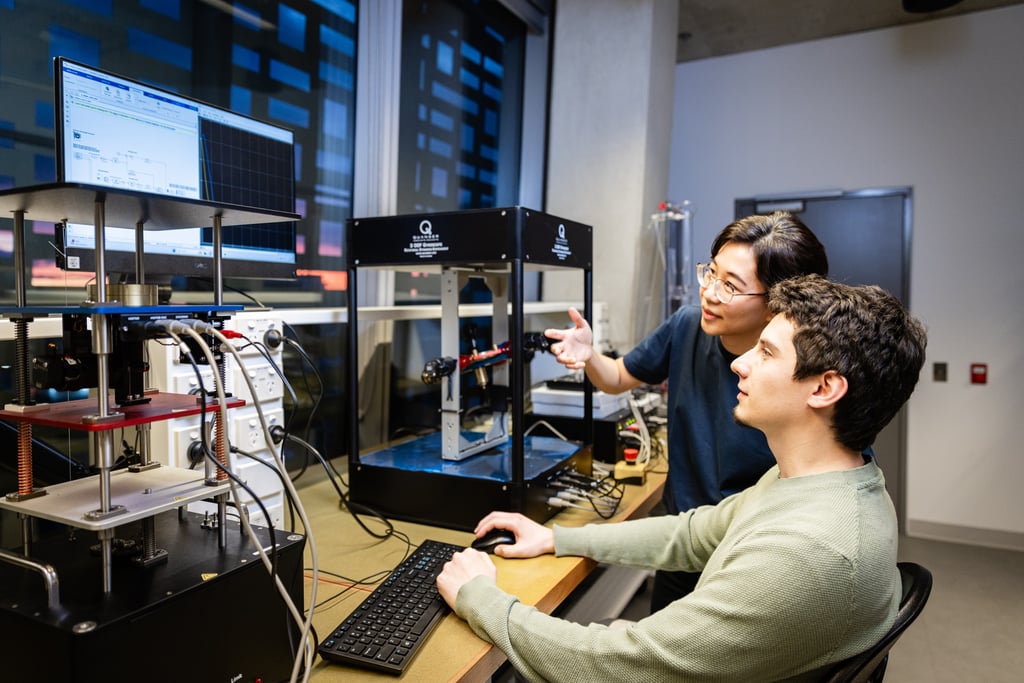
Studying engineering at UTS means learning in specialist spaces designed to help you put theory into practice. Depending on your discipline, you could use facilities supporting work in electrical systems, embedded software, environmental engineering and robotics.
You'll learn in purpose-built facilities focused on the technologies shaping the future of engineering, including robotics, advanced manufacturing, embedded systems, power and energy, environmental engineering, and biomedical research.
These practical environments give you space to test ideas, build technical confidence and work with technologies relevant to your field.
Engineering communities beyond the classroom
Your passion for engineering goes beyond the classroom. UTS has engineering-focused clubs and societies where you can meet students with similar interests, take part in projects and competitions, and build your professional and social networks.
For example, you could join:
- AERIS UAV: Use your engineering skills to design, build and fly drones.
- Association of Chemical Engineers: Meet and mingle with students and professionals in the chemical engineering space.
- Engineers Without Borders: A non-profit student group focused on humanitarianism through engineering.
- Robotics Society: Connect with other students who share a love of robotics.
- WXSTEM: Join a community of women and non-binary people in STEMM.
UTS is also dedicated to helping bridge the gender gap in engineering and IT. That’s why we have a range of programs and initiatives dedicated to helping women and gender diverse people grow their networks, reach new opportunities and prepare for an exciting career in the engineering field.
Career experience built into your studies
At UTS, professional practice and industry experience are an important part of engineering education. Through industry-connected learning, you’ll have opportunities to apply what you learn to real engineering environments, develop professional skills and build connections before you graduate.
You can take this further with the Bachelor of Engineering (Honours) Diploma in Industry Practice, which includes two six-month internships – giving you 48 weeks of structured industry experience as part of your studies.
For Civil Construction student Angus Lyons, this experience has meant working on active construction sites while completing his degree. Reflecting on the Diploma in Industry Practice, Angus says:
“You graduate a year later, but with so much more experience and a much better understanding of what you actually want to do.”
You’ll also have access to UTS Careers, with support including career coaching, resume reviews and access to internships and job opportunities.
Find out more
Ready to see where engineering at UTS could take you? Explore Engineering at UTS to compare majors, discover student experiences and find the study option that matches your goals.

What’s an electronic engineer?
Ever wondered how the technology we use every day actually works? Discover what electronic engineers do, the industries they work in, potential career...

Find your tribe. Dive into societies and teams at UTS
University is about more than lectures and assignments. Discover how UTS clubs and societies can help you make friends, explore your interests, build new...
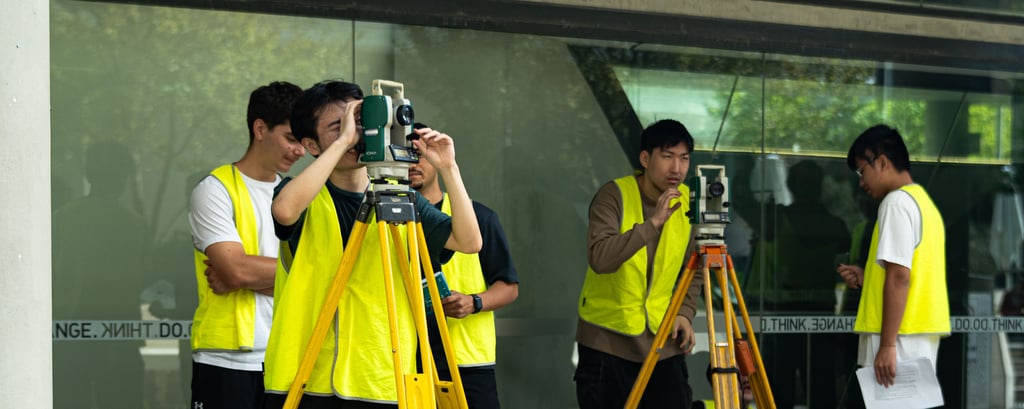
Thinking about Civil Engineering?
Thinking about studying Civil Engineering in Australia? Discover what Civil Engineers do, the career opportunities available and how studying Civil Engineering...
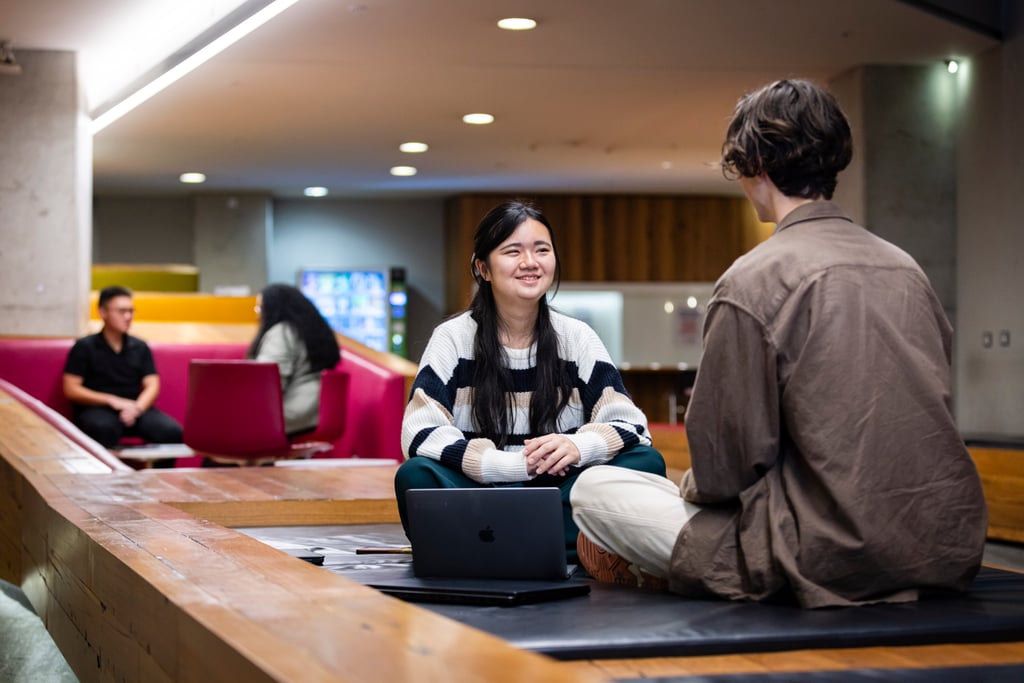
How rankings matter (and don’t) when choosing Engineering and IT
How important are university rankings when choosing where to study Engineering or IT? Explore what rankings can tell you, what they leave out and what to look...
What’s an electronic engineer?
Ever wondered how the technology we use every day actually works? Discover what electronic engineers do, the industries they work in, potential career...
Find your tribe. Dive into societies and teams at UTS
University is about more than lectures and assignments. Discover how UTS clubs and societies can help you make friends, explore your interests, build new...
Thinking about Civil Engineering?
Thinking about studying Civil Engineering in Australia? Discover what Civil Engineers do, the career opportunities available and how studying Civil Engineering...
How rankings matter (and don’t) when choosing Engineering and IT
How important are university rankings when choosing where to study Engineering or IT? Explore what rankings can tell you, what they leave out and what to look...