


If you’re interested in technology, you’ve probably heard the term ‘computer science’ before. But what does it actually involve, and how is it different from broader information technology (IT)?
Computer science focuses on the principles behind computation: how computers solve problems, how algorithms work, and how software and intelligent systems are designed. While IT can cover a broad range of technologies and their use within organisations, computer science takes a deeper, more mathematical and algorithmic approach to understanding and creating computing systems.
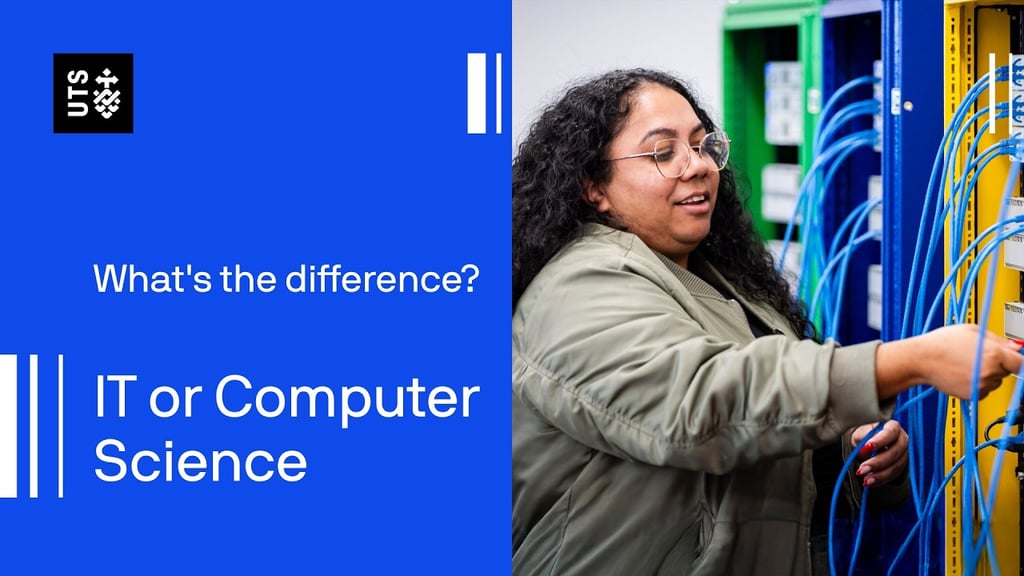
In this guide, we explore what computer science is, how it differs from information technology, the kinds of jobs and tasks professionals in the field take on, and how studying computer science can prepare you for a technical career. For a quick overview, watch the explainer, Information Technology or Computer Science: What’s the difference?
What is Computer Science?
Computers are everywhere today - it’s fair to say that our modern world runs on them. But behind every app, platform and digital system are people working out how computers can solve problems efficiently and reliably.
That’s where computer scientists come in. They use programming, algorithms, data structures, mathematics and computational theory to design software, systems and new technologies. Depending on their area of expertise, they may also work with artificial intelligence, networks, databases or cybersecurity.
From everyday mobile apps, websites and games to advanced AI systems and technologies used in space exploration, computer science helps make them possible.
Is Computer Science right for me?
I enjoy programming and mathematics
You don’t have to be an expert coder or mathematician before starting a computer science degree. However, programming, mathematics, algorithms and logical problem-solving are central to the field, so an interest in learning more about these areas is important.
I want to understand how technology works
If you’re interested in more than simply using technology, computer science may be a good fit. It explores the theory and logic behind computing, including programming, data structures, algorithms and computational systems. This makes it more specialised and mathematically focused than a broader IT degree, while still opening pathways into areas such as AI, software development, data science and cybersecurity.
I want a future-ready career
Computer science develops skills that can be applied to both established and emerging areas of technology. As organisations continue to rely on software, data, automation and secure digital systems, graduates with strong computational and problem-solving skills can pursue careers across a wide range of industries.
I want strong career opportunities
For many students, computer science is appealing because technical skills can lead to diverse career pathways. Rather than choosing the degree for salary alone, it’s worth considering whether you enjoy the type of work involved: solving complex problems, working with code and algorithms, and continually learning as technology evolves.
What kind of jobs do Computer Scientists have?
Technology has become essential to almost every organisation, which means computer science skills can lead to opportunities across many sectors and industries. Depending on your interests and specialisation, graduate roles can include:
- Developer
- Programmer
- Cybersecurity Penetration Tester
- Software Engineer
- Security Architect
- Data Analyst
- Artificial Intelligence (AI) Engineer
- Machine Learning Engineer
The work itself can vary significantly. Depending on your role, you might:
- Analyse and improve existing systems and processes
- Design, program and test software
- Develop algorithms and computational solutions
- Work with data, AI or machine learning systems
- Help design secure and reliable digital technologies
Computer scientists also draw on a combination of technical and professional skills, including:
- Software development
- Computer programming
- Algorithms and data structures
- Analytical thinking
- Problem-solving
- Project management
- Communication and teamwork

Why study Computer Science at UTS?
At UTS, the Bachelor of Computing Science combines strong technical foundations with opportunities to build practical, workplace-ready skills. You’ll study areas including programming, discrete mathematics, data structures and algorithms, theory of computing science and advanced algorithms, while also developing the problem-solving, teamwork, project management and communication skills valued by employers.
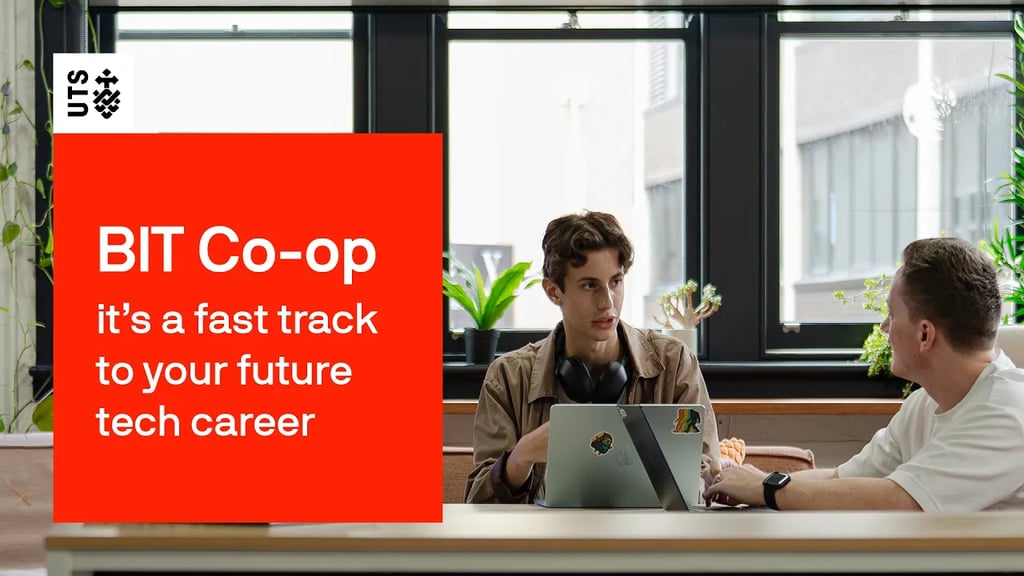
Throughout the degree, you'll have opportunities to apply your learning through industry-connected experiences. Students can complete internships, industry projects and other work-integrated learning opportunities, while those seeking a more immersive industry experience can explore specialised pathways such as the UTS Industry Degree Academy (IDeA) or the Bachelor of Information Technology (Co-op) scholarship. These programs combine academic study with extensive industry experience, allowing students to graduate with valuable professional networks and real-world experience.
To see where this pathway could lead, meet Finn and explore his experience as a UTS Bachelor of Information Technology (Co-op) student.
That connection between study and industry is already shaping students’ careers. UTS Computer Science student Arushdeep Singh joined the IDeA Cadetship at 17 and has worked on enterprise systems, presented to stakeholders and explored applications of AI alongside his degree.
“I didn’t just want a theoretical computer science degree. I wanted to apply what I was learning in real environments,” he shares.
Ready to learn more? Explore Computer Science at UTS and discover the Bachelor of Computing Science, study pathways and student experiences.
Your future in IT: Career guide
From artificial intelligence to software development, explore career pathways in information technology and discover the future-focused digital skills shaping tomorrow’s industries.

Make your IDeA application stand out
8 practical tips to make your application stand out for the Industry Degree Academy cadetship.

Building experience while studying
Kai is building real-world tech experience through the UTS IDeA cadetship, gaining skills, confidence and career direction from day one.

From cadetship to cyber law
Cybersecurity student Na’ama shares how a UTS cadetship and work at NSW Premier’s Department shaped her path into cyber law and future goals

Why a cybersecurity cadetship at UTS?
Shaqayeq is already working in the cybersecurity field, monitoring cyber threats and responding to real incidents
Make your IDeA application stand out
8 practical tips to make your application stand out for the Industry Degree Academy cadetship.
Building experience while studying
Kai is building real-world tech experience through the UTS IDeA cadetship, gaining skills, confidence and career direction from day one.
From cadetship to cyber law
Cybersecurity student Na’ama shares how a UTS cadetship and work at NSW Premier’s Department shaped her path into cyber law and future goals
Why a cybersecurity cadetship at UTS?
Shaqayeq is already working in the cybersecurity field, monitoring cyber threats and responding to real incidents