
Today, Artificial Intelligence (AI) seems to be everywhere, and the workplace is no exception.
From boosting productivity and processing large amounts of data to helping automate everyday tasks, AI is already having a significant impact on the way we work.
It’s also creating new possibilities across industries, changing the skills organisations need and opening up entirely new areas of work.
If you’re a future university student choosing a career, understanding these changes can help you prepare for the opportunities ahead.
AI is changing the way we work
When understanding the impact AI will have in the workplace, it’s useful to consider how the technology could change the way different jobs are done.
AI tools can take on or simplify certain repetitive tasks, allowing people to spend more time on work that requires problem-solving, judgement, creativity and communication.
This means learning how to work effectively alongside emerging technologies could become increasingly valuable across a wide range of professions, not only careers traditionally associated with technology.
If you’re about to start a university degree, consider how AI is already being used in your chosen industry and the skills you could develop to work with it.

Prepare yourself for the AI revolution with UTS Bachelor of Artificial Intelligence
How can you prepare for a career working with AI?
The UTS Bachelor of Artificial Intelligence is designed to build specialist knowledge across AI and its applications. You’ll develop foundations in areas such as programming and mathematics before exploring artificial intelligence in greater depth, including machine learning, deep learning and computer vision.
Importantly, studying AI at UTS isn’t only about understanding the technology. You’ll also have opportunities to apply what you learn through practical projects and develop the problem-solving and professional skills needed to use AI in real-world contexts.
Not sure whether to specialise in AI or keep your IT studies broad? Choosing between a specialist and generalist technology degree can depend on your interests and where you want your career to take you. Watch the Specialist or generalist Information Technology degree: What’s the difference? explainer to understand the different study options and find the pathway that could suit you.
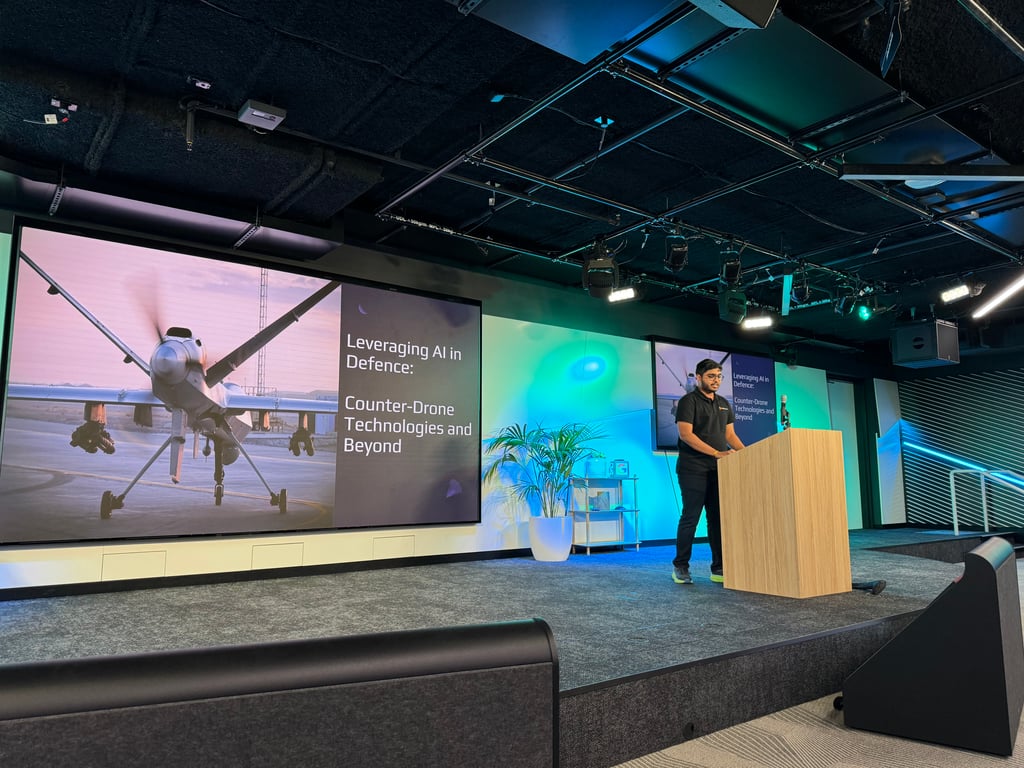
UTS graduate Gitarth Khera studied a Bachelor of Computing Science (Honours), majoring in Artificial Intelligence and Data Analytics. While at UTS, he became involved in university life, attended networking events and built connections that helped him understand where his studies could take him.
“The dynamic curriculum, tailored to include the latest in AI and Data Analytics, alongside the option to incorporate newly introduced subjects, ensured that my education was not only current but also predictive of future technological trends,” he shares.
Those connections ultimately helped Gitarth secure an internship and begin building his career in technology. His experience shows how developing technical knowledge alongside professional networks and practical experience can help turn an interest in AI into opportunities beyond university.
Alongside your studies, you can access the wider UTS Information Technology student experience, including opportunities to connect with industry, develop your professional skills and prepare for work after graduation.
Ready to explore where AI could take you? Discover the Bachelor of Artificial Intelligence at UTS and learn more about studying AI at UTS.
Employers will be looking for different skills
As workplaces adopt new technologies, the skills people bring to their roles will evolve too.
Technical capabilities such as AI, data, cybersecurity and digital literacy can help graduates understand and work with increasingly technology-driven organisations.
But technical knowledge is only part of the picture. Human skills remain important too. These can include:
- Analytical thinking
- Creative thinking
- Resilience and adaptability
- Leadership
- Communication and collaboration
- Problem-solving.
Developing a combination of technical and professional skills can help you adapt as technologies, industries and individual roles continue to change.
New job opportunities are being created
AI isn’t only changing existing careers. It’s also creating new ones. As organisations develop and adopt AI technologies, new specialist roles are emerging across areas such as AI engineering, machine learning, data and AI implementation.
According to Jobs and Skills Australia, AI skills are in highest demand across technical roles related to data and technology, particularly in areas such as machine learning and deep learning.
However, opportunities extend well beyond technology companies. AI is being applied across healthcare, finance, manufacturing, education, engineering and professional services, creating demand for graduates who can combine technical expertise with problem-solving skills. Research from Jobs and Skills Australia also suggests that AI is more likely to augment how people work than replace them, making AI literacy an increasingly valuable skill regardless of industry.
These can include roles such as:
And these opportunities aren’t limited to technology companies. AI is increasingly being applied across industries including healthcare, finance, manufacturing, education and professional services.
For students interested in technology, this creates opportunities to build specialist knowledge in an area that continues to evolve, explore IT skills, careers and future opportunities at UTS. From artificial intelligence and cybersecurity to computer science, games development and information systems, you can compare different areas of IT and discover the career paths they can lead to.
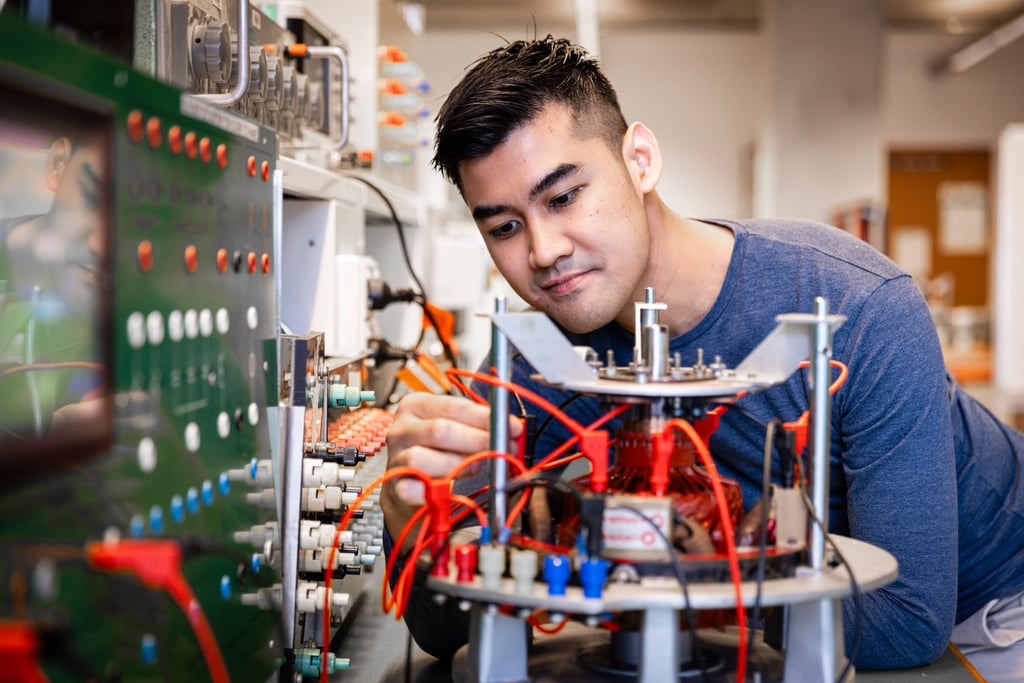
Your future in engineering: Career guide
Explore career pathways in biomedical, civil and environmental, electrical and electronic and mechanical and mechatronic engineering, and graduate with technical expertise, leadership skills and problem-solving capabilities.
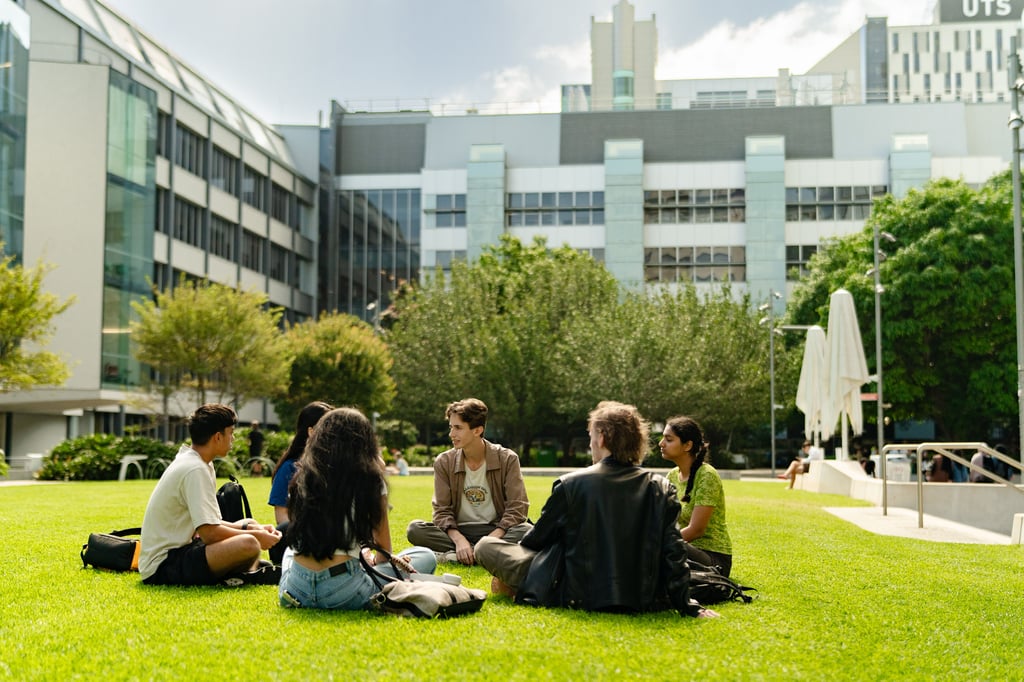
Find your tribe. Dive into societies and teams at UTS
University is about more than lectures and assignments. Discover how UTS clubs and societies can help you make friends, explore your interests, build new...
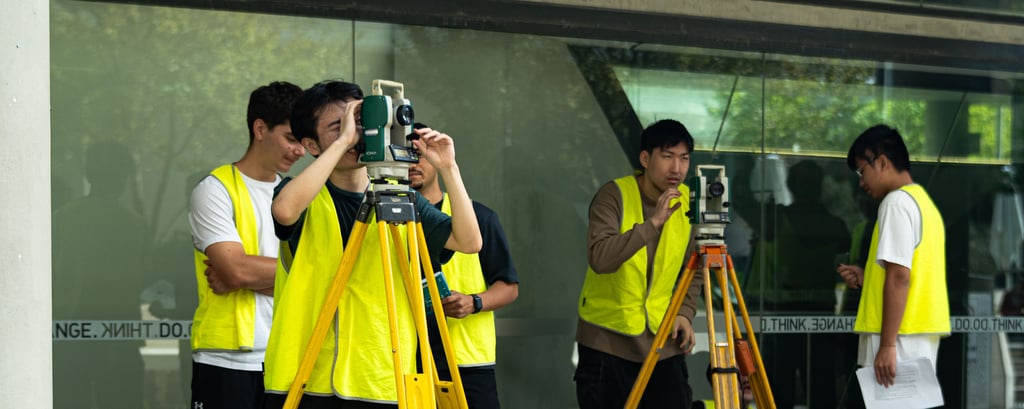
Thinking about Civil Engineering?
Thinking about studying Civil Engineering in Australia? Discover what Civil Engineers do, the career opportunities available and how studying Civil Engineering...
How rankings matter (and don’t) when choosing Engineering and IT
How important are university rankings when choosing where to study Engineering or IT? Explore what rankings can tell you, what they leave out and what to look...
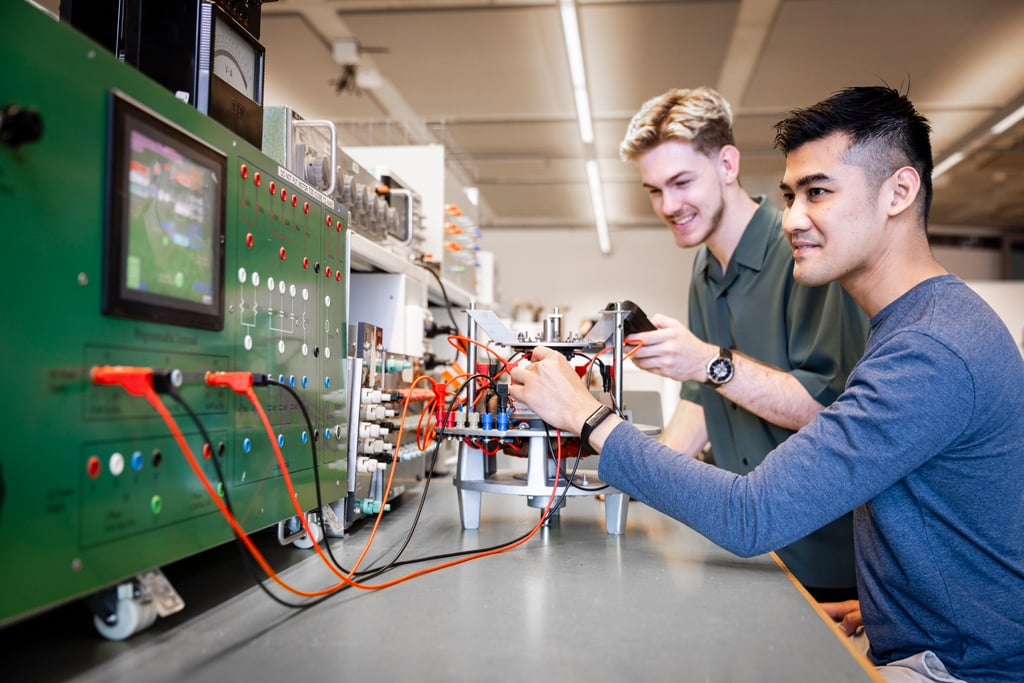
Day in the life of an Electrical Engineering student at UTS
Considering studying Electrical Engineering at UTS? Get a glimpse into a typical day, from hands-on laboratory classes and engineering projects to study...
Find your tribe. Dive into societies and teams at UTS
University is about more than lectures and assignments. Discover how UTS clubs and societies can help you make friends, explore your interests, build new...
Thinking about Civil Engineering?
Thinking about studying Civil Engineering in Australia? Discover what Civil Engineers do, the career opportunities available and how studying Civil Engineering...
How rankings matter (and don’t) when choosing Engineering and IT
How important are university rankings when choosing where to study Engineering or IT? Explore what rankings can tell you, what they leave out and what to look...
Day in the life of an Electrical Engineering student at UTS
Considering studying Electrical Engineering at UTS? Get a glimpse into a typical day, from hands-on laboratory classes and engineering projects to study...