


Explore the future of interaction, augmentation, and immersive digital experiences.
Spatial computing is reshaping the way humans interact with digital and physical worlds, enabling immersive experiences, intelligent augmentation, and seamless human–technology integration.
At UTS, this emerging field brings together disciplines such as AI, cognitive neuroscience, and mixed reality to pioneer next-generation systems that enhance human cognition, accessibility, and everyday life.
Human Augmentation Lab (HAL)
HAL advances brain–computer interfaces (BCIs), human augmentation, and spatial computing for real-world applications, integrating AI and machine learning, cognitive neuroscience, and mixed reality to create next-generation human–AI systems that enhance, extend, and improve cognition, accessibility, and everyday human–technology interaction.
Curiosity fuels innovation, and innovation drives progress
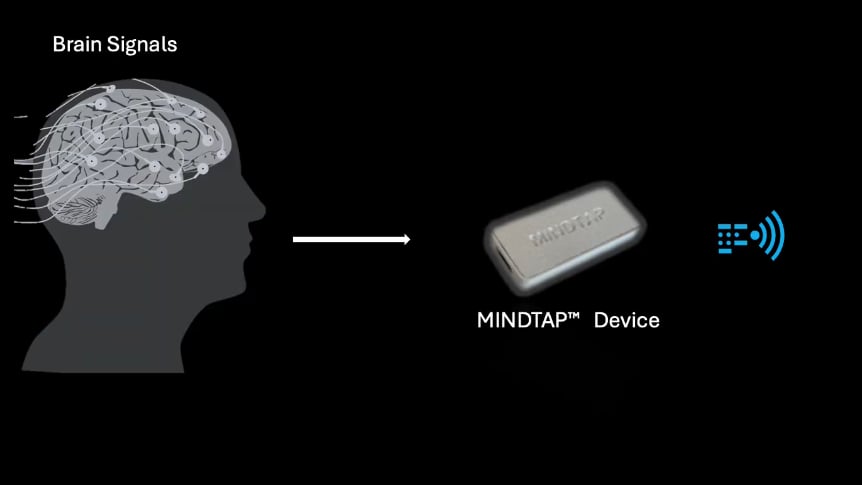
MINDTAP
The first non-invasive EEG based Brain Computer Interface that allow to connect and interact with any Apple platform including Apple Vision Pro.
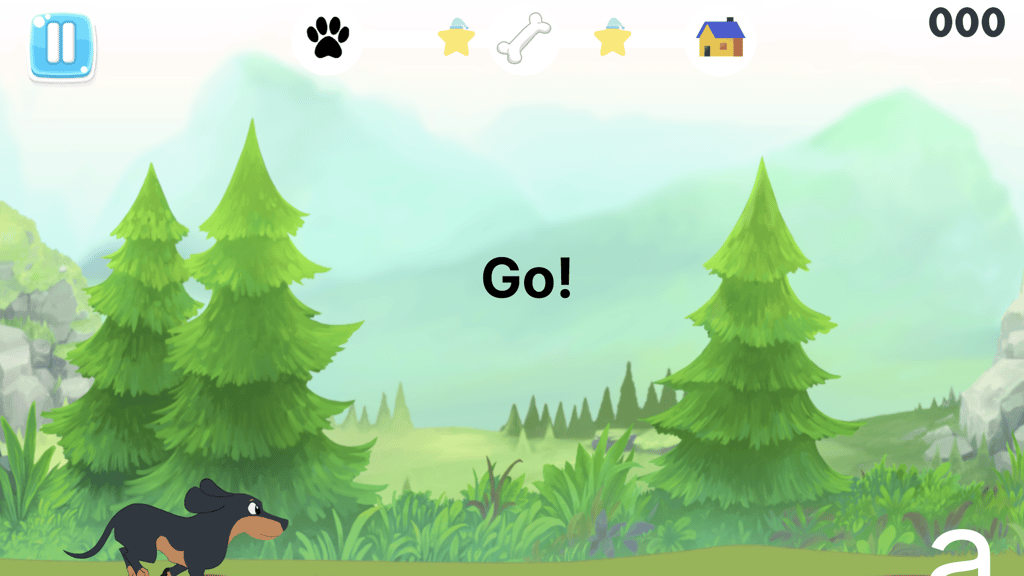
Innovating for Autism Spectrum Disorder
A HAL student, Yanisa Phadee, has developed a gamified environment for autism spectrum disorder that allows screening in just three minutes.
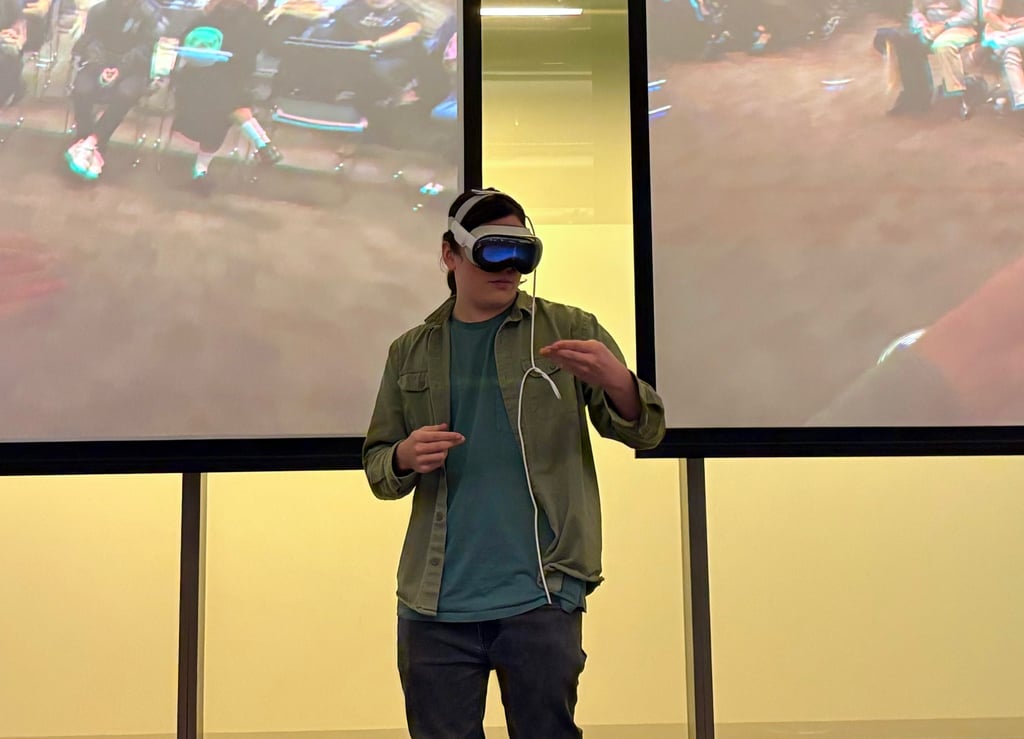
Industry Studio showcase
Six highly impactful apps produced this semester using spatial computing with the Apple Vision Pro.
MINDTAP
The first non-invasive EEG based Brain Computer Interface that allow to connect and interact with any Apple platform including Apple Vision Pro.
Innovating for Autism Spectrum Disorder
A HAL student, Yanisa Phadee, has developed a gamified environment for autism spectrum disorder that allows screening in just three minutes.
Industry Studio showcase
Six highly impactful apps produced this semester using spatial computing with the Apple Vision Pro.