


- Posted on 20 Mar 2026
- 5 minute read
How can marketers deliver better customer experiences in 2026?
As artificial intelligence becomes embedded in daily customer interactions, marketers face a critical strategic question: when should AI communicate on behalf of a brand and when is a human essential for creating emotionally resonant customer experiences?
Research from UTS Business School, combined with real-world events and insights from industry leaders, offers guidance for shaping AI-driven customer experience strategy, emotionally intelligent marketing and human-centred brand communication.
What the research shows: Bad news? Use AI. Good news? Use a human.
A Journal of Marketing study led by researchers Aaron Garvey, Taewoo Kim (UTS Business School) and Adam Duhachek reveals how consumers emotionally respond when AI delivers customer communications.
The research found that when delivering negative messages, such as a price increase, using AI can actually reduce customer backlash. Consumers perceive AI as neutral and free from self-interest, making it effective for sensitive or disappointing updates, an important consideration in AI-assisted customer service and automated messaging workflows.
Conversely, the research found that human communication significantly enhances positive moments like a free gift or lower than expected price. Human communication is perceived as warmer, more benevolent and more genuine. All qualities that are critical for loyalty-building moments and authentic brand experiences.
Why this matters for marketers
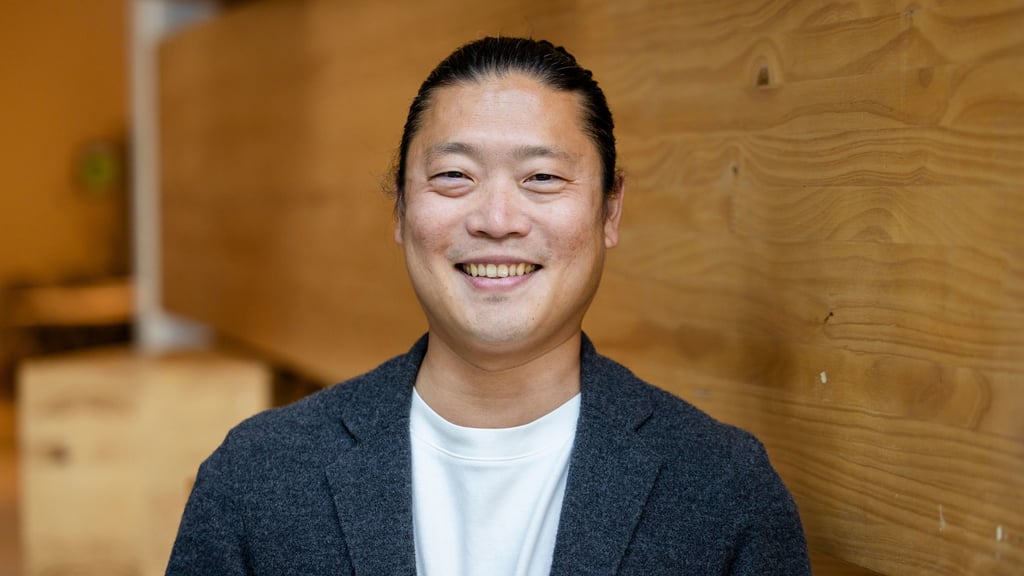
These findings offer clear guidance for marketers building AI-enhanced customer journeys and automated communication frameworks. Taewoo and his colleagues highlight that emotional response is driven by perceived intentions.
AI appears objective, making it better suited to deliver difficult news or functional updates, while humans convey empathy, an essential ingredient in positive emotional interactions.
This insight is central to designing a balanced AI-human communication strategy that supports both efficiency and emotional engagement across the customer lifecycle.
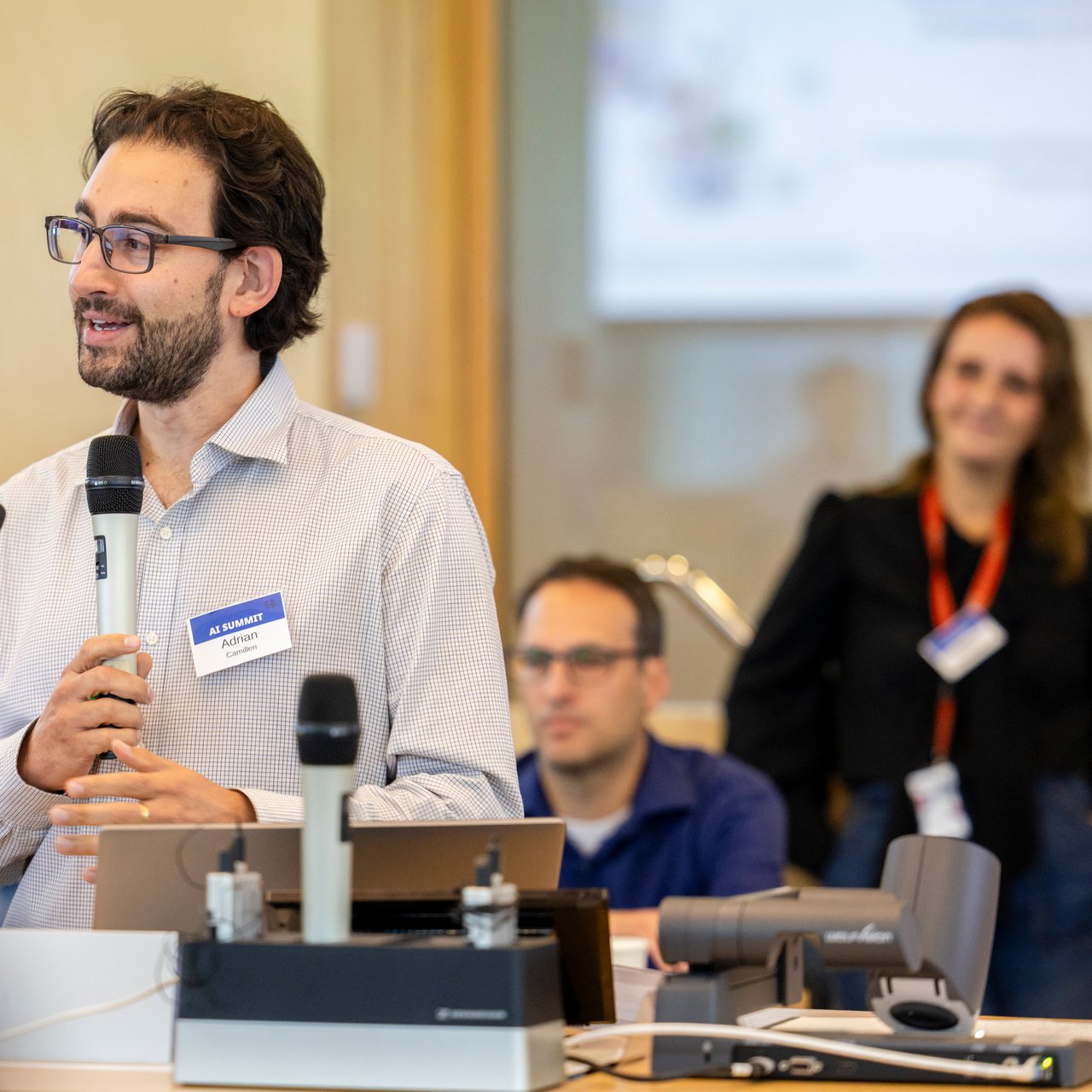
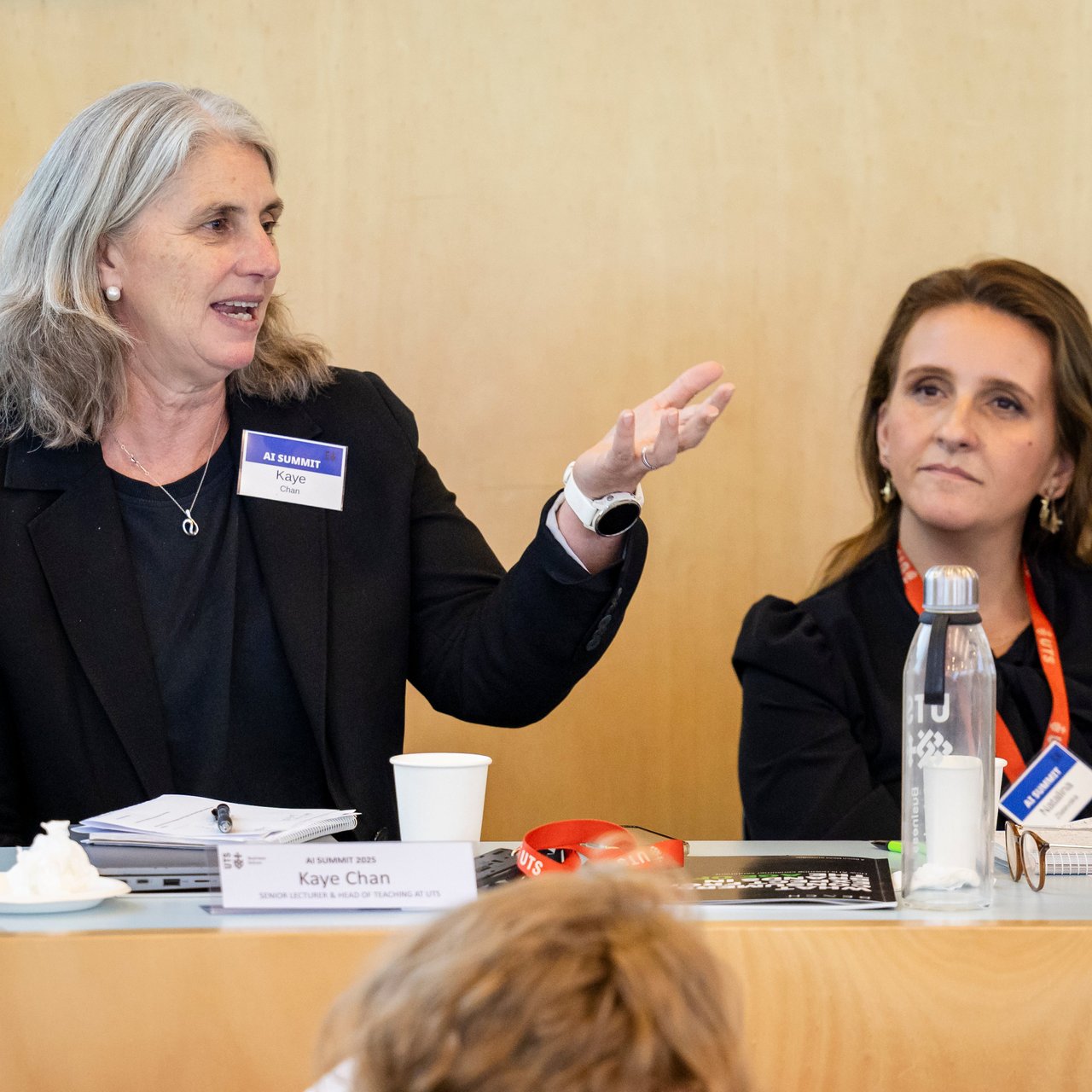
These themes resonated strongly at the AI in Marketing Summit, hosted by UTS Business School in partnership with IAB Australia and the Australian Centre for AI in Marketing (ACAM). The UTS event brought together leading Australian marketers, academics and innovators to explore the practical and strategic implications of AI in the workforce.
Across three interactive sessions, speakers from Google, Bench Media, Zenith Media Australia, IAB, ACAM and UTS examined current and future AI trends, AI's impact on consumer behaviour and the workforce implications of an increasingly automated marketing landscape. The format combined expert insights with open audience discussion, ensuring that practitioners and academics alike contributed to identifying the real challenges and opportunities at the intersection of AI and marketing.
A real-world example of when AI misses the mark
Theory is one thing but real-world examples make the stakes viscerally clear. In 2025, several US universities, including Northeastern University and Pace University, used AI-generated voices to announce graduates' names during commencement ceremonies. Despite the intention to improve accuracy of pronunciation, many students described the experience as "cold" and "robotic," feeling that they'd had such an important personal milestone stripped of its emotional significance.
The reaction mirrors the research findings precisely. Ceremonies and milestone moments are high-emotion touchpoints and positive emotional experiences that require a human presence to feel authentic. Automation at the wrong moment doesn't just fall flat, it can actively undermine the emotional connection a brand is trying to create or already has with its auidence.
It is exactly this kind of nuance that discussions at the AI in Marketing Summit were designed to surface. AI's capabilities are expanding rapidly but deploying it effectively requires understanding where it adds value and where it erodes it.

A framework for AI-Human communication
The research, combined with insights from practitioners on the ground, offers a quick framework for marketers developing AI-enabled but emotionally aware marketing strategies:
This approach isn't about choosing technology over people, it's about deploying both intentionally to strengthen brand trust and emotional connection. As the conversation at the AI in Marketing Summit made clear, the marketers who will lead in this space are not those who automate the most, but those who understand when to automate and when to show up as unmistakably human.
By understanding when AI should speak and when humans must step in, brands can create AI-powered customer experiences without losing the personal touch that drives long-term brand loyalty, retention and advocacy.
Meet the UTS speakers

Associate Professor, Business School

Senior Lecturer, Business School

Senior Lecturer, Business School
Associate Professor, Business School

Lecturer, Business School
See what's on at UTS

AI improves long-term flood forecasting
Through the power of advanced artificial intelligence, UTS research could help communities get warnings weeks ahead of floods.

What can free‑living Indian street dogs teach us about how to care for pet dogs?
A study of how Indian street dogs live raises questions about what it means to care for pet dogs.

La Bola Negra is about the Spanish Civil War – but is unmistakably about our present moment
Set across 1932, 1937 and 2017, new Spanish film La Bola Negra follows three gay men whose lives become connected across generations.