

This section is all about looking after yourself, and living a well-rounded life.
Making time for self-care, hobbies and other aspects of your life that help you to feel motivated, enriched and happy.
Explore
Managing your mindset
Try this. Add 30 minutes of exercise to your daily habit tracker.
Try this
Mindfulness and meditation by UTS Student Hacks
Workshops and group counselling sessions
Learn how to cope with the pressures of study, work and life.
Contact Counselling Services
UTS Counselling Service has the flexibility to provide counselling sessions face-to-face, via phone and videoconferencing platform Zoom to UTS students.
TalkCampus app
All current UTS students get free access to the TalkCampus app, an online wellbeing and mental health peer support network
Learn more
Self care by UTS Student Hacks Podcast
Learn more
Centre for Clinical Intervention

Learning and living is hard work and it’s a challenging process to go through, full of highs and lows. Understanding and managing your mindset can have a significant impact on how you experience life.
A “fixed mindset” is the belief that your abilities and character are static and cannot be changed, and that success is based on inherent intelligence or talent. On the other hand, a “growth mindset” looks at failure as an opportunity to learn and embraces challenges. Practicing self-compassion can help you shift your mindset from a “fixed mindset” to a “growth mindset”.
Self-compassion is about being aware of your negative feelings and knowing that they’re a normal part of life. It’s important to practice kindness and care towards yourself and develop techniques that will help you get through it. Your emotional wellbeing is influenced by how you choose to speak to yourself in difficult situations, so try and be gentler on yourself.
It's important to treat yourself with the same type of kind, caring support and understanding that you would show to anyone you cared about.
Setting healthy boundaries
Boundaries
Use this worksheet to define your boundaries.
Workshops and group counselling sessions
Learn how to cope with the pressures of study, work and life.
Contact Counselling Services
UTS Counselling Service has the flexibility to provide counselling sessions face-to-face, via phone and videoconferencing platform Zoom to UTS students.
TalkCampus app
All current UTS students get free access to the TalkCampus app, an online wellbeing and mental health peer support network
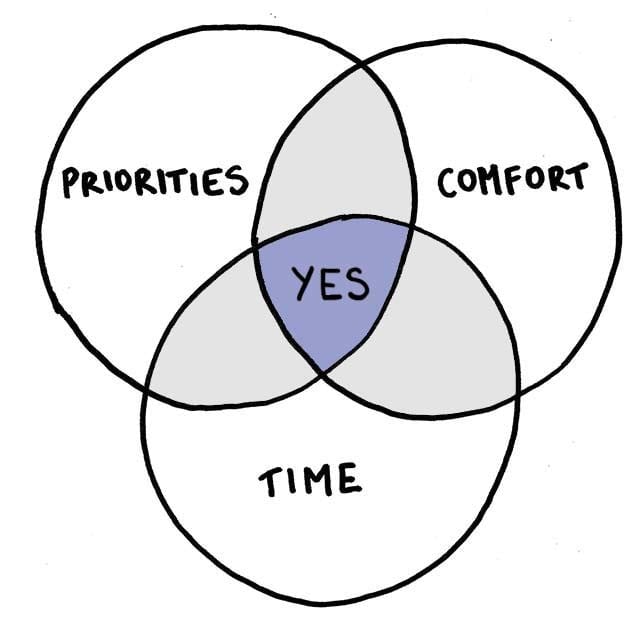
There are two types of boundaries. Boundaries that you put in place for yourself, and boundaries that you put in place for others depending on their relationship to you. Boundaries are about what is okay and what is not okay and help you keep feel comfortable and safe as you engage in the world. Observing boundaries shows respect for others. When we have the boundaries in our life right, it helps us to feel safe and less stressed. Boundaries can be:
- Physical: Eg when we feel comfortable being physically close to someone, how and under what circumstances we prefer to be touched or intimate
- Social/psychological/cultural: E.g. asking or answering personal questions, how we dress or behave in different circumstances.
How to set a boundary
- Define what the boundary is and why it is important to you
- Communicate the boundary
- Acknowledge the needs of others
- Keep the boundary established (even when it's challenging)
When setting healthy boundaries remember
- It is okay to be assertive and say NO when you need to
- Protecting your space and time is important
- Trust your gut, you will know when your boundaries are being crossed
- Asking for support is a strength
Benefits of setting healthy boundaries
- Reduces your stress and mental load
- Establishes relationships that are emotionally healthy on all sides
- Improves self-esteem and confidence and social skills by practicing assertiveness and communication.
- By meeting your needs you develop more respect for yourself and others
- You finally have time and energy to do things that nourish and bring you joy
Balancing your time
Try this. Pick 2 aspects of your life that you would like to prioritise.
Balance
Choose some activities to help you get balance back to your life.
Activities
Choose some activities to help you get balance back to your life.
Workshops and group counselling sessions
Learn how to cope with the pressures of study, work and life.
Clubs and societies
Join a club or society to pursue your interests.
Help and support
Whether you need urgent assistance, help with campus services, or personal support, we’re here to assist.
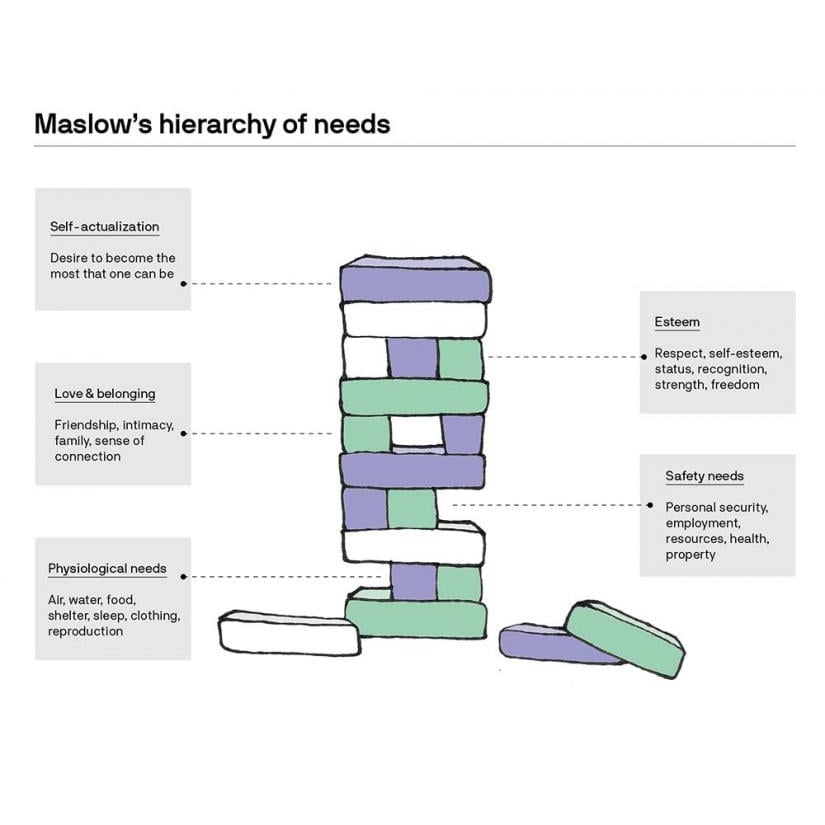
Leading a well-rounded life also means taking into account the needs we have outside of being productive – this includes our relationships with friends and family, homes, hobbies, education, work and health.
There is only so much time in a day and doing things to the best of your ability takes time. If you are expecting yourself to do too many things, you run the risk of burning out. Prioritising what is most important for a certain time frame helps you do your best in these areas and reduces the chance of getting overwhelmed trying to do everything.
There are lots of different areas of your life to consider, but only so many places you can prioritise in certain time frames. It’s up to you what you choose to do with your life, and what things you prioritise.
Explore more
UTS Sport
Meet new people and improve your fitness with UTS Sport.
Sleep hygiene
Sleep Hygiene fact sheet – Centre for Clinical Intervention.