


A report provides clearly organised information about a situation or problem under investigation.
The information may come from your experience, your reading, your research, experiments or measurements conducted in a laboratory or out in the field.
Report structure
Reports may have different structures, depending on the discipline and the purpose. Below is an example report structure, but of course you should always check your assignment instructions to see what format or structure they suggest, and if in doubt, check with your teacher.
| Abstract (or Executive Summary) |
Summarises each section of the report, including what research was conducted, what the results or findings were, and what recommendations were made. |
|---|---|
| introduction |
|
| method |
Explains how the research was conducted, using a step-by-step description. |
| findings |
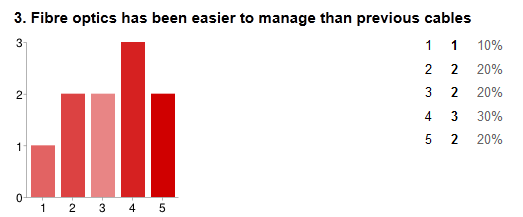
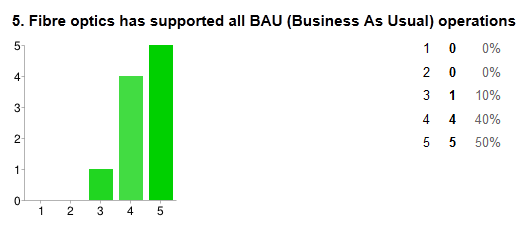
Shows the results of the research study, often in the form of tables, graphs or charts. |
| discussion |
Explains what the results mean. This usually requires the researcher(s) to interpret the data and explain:
|
| conclusion & recommendations |
|
| appendices |
Appendices include any information that is relevant to the report but too lengthy to include in the body of the report. This may include questionnaires used as part of the study, or full data sets obtained from your research. |
Report examples
Click on each arrow for examples
Common Language Used in Reports
click on each arrow for some example phrases.

Adapted from: Academic Phrasebank