

- Posted on 16 Apr 2021
- Updated on 16 Apr 2021
- 1-minute read
This project investigated how small and medium sized businesses (SMEs) prepare for and respond to extreme weather and climate events such as floods and bushfires.
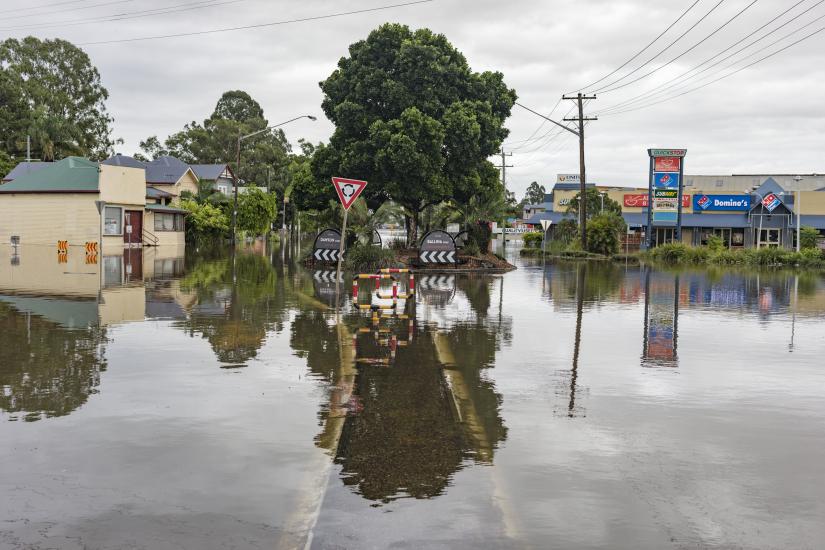
This project investigated how small and medium sized businesses (SMEs) prepare for and respond to extreme weather and climate events such as floods and bushfires.
There were 7 key high-level findings:
1. Businesses are unprepared for natural disasters
2. Preparedness relies on pre-existing capacities and resources
3. Impacts are devastating and diverse, and all are not equally well-understood or addressed
4. Factors driving preparedness and where are the opportunities for businesses to become more prepared
5. Preparedness through building back better
6. How insurance contributes to preparedness and recovery
7. The role of innovation and interaction with regional economic vitality
See related: Alpine tourism and climate change adaptation and Viticulture and climate change adaptation.
RESEARCH OUTPUTS
Climate information use and needs in the NSW Small Business Sector (2019) (Report)
Forced innovation: Business preparedness and recovery after extreme weather events (2019) (Report)
Researchers



SDGs

This project is working towards UN Sustainable Development Goal 13.
Climate adaptation; Institute for Sustainable Futures
Research Centre
Year
- 2019