


Timeframe
-
2025 - 2029
SDGs
-
2. Zero Hunger
-
5. Gender Equality
-
8. Decent Work and Economic Growth
-
10. Reduced Inequalities
-
13. Climate Action
Partner
-
World Vision Australia
Location
-
Vietnam
-
Cambodia
-
Laos PDR
- Posted on 27 Jan 2026
Promoting inclusive, green and climate resilient agri-food systems in Vietnam, Cambodia and Laos PDR
A new research partnership led by the UTS Institute for Sustainable Futures (ISF), in collaboration with World Vision Australia, is responding with the Building Climate‑Adaptive Solutions Through Inclusive Market Networks (BASIN) program, part of the Australian Department of Foreign Affairs and Trade funded Mekong-Australia Partnership (MAP).
The Lower Mekong River Basin—covering Cambodia, Laos, and Vietnam—is highly vulnerable to climate-related disasters, including extreme weather, drought, and future uncertainty. This climate context threatens livelihoods and ecological integrity. Agri-food systems, including agriculture and aquaculture, are major drivers of economic activity in the region. While agri-food systems face high vulnerabilities to climate impacts, they are also large drivers of greenhouse gas emissions, requiring mitigation efforts in agriculture and aquaculture systems.
To address the climate and agri-food challenges in the Mekong, World Vision is implementing Building Climate-Adaptive Solutions through Inclusive Market Networks (BASIN). The Mekong-Australia Partnership (MAP) is a 4-year (2025-29) regional project, funded by the Australian Department of Foreign Affairs (DFAT). BASIN will directly support 24,000 people, including smallholder farmers, women, people with disabilities and ethnic minorities. It will also benefit more than 200,000 across the Mekong.
The BASIN project aims to strengthen climate-resilient and inclusive agri-food systems in the Mekong. BASIN’s strategy is built around World Vision’s inclusive Market Systems Development approach, engaging local businesses, government, and communities to create greener, more equitable economic opportunities, improve household incomes, and empower women and marginalised groups in decision-making and leadership. A core imperative of BASIN is inclusion, ensuring that the voices of community and local actors inform dialogues about agri-food system development, and that the benefits of agri-food system transformation reach those most at risk of being left behind.
As the research partner for the project, ISF is generating evidence to inform regional and national policy and decision making. ISF is undertaking research on greening and climate resilience in the context of market development in agri-food systems in the Mekong. This includes mapping evidence gaps, good practices and the local market and policy environments. ISF is also leading a knowledge exchange activity to ensure program-generated evidence is translated into policy-relevant insights and effectively communicated to key policy audiences. This activity aims to maximise the impact of the BASIN project and support evidence-informed decisions that drive inclusive and climate-resilient agri-food systems.
Research outputs
Researchers
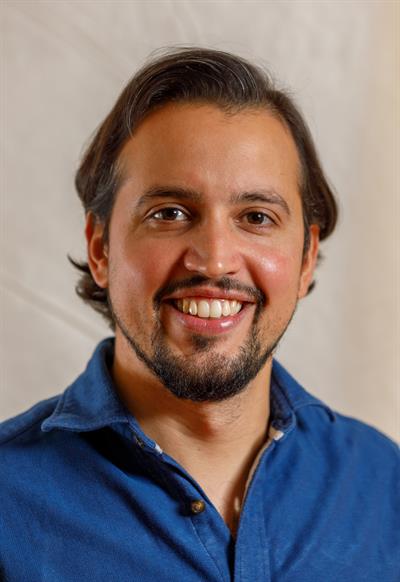
Research Director, DVC (Research)

Research Director, DVC (Research)

Research Director, DVC (Research)

Senior Research Consultant, DVC (Research)
News
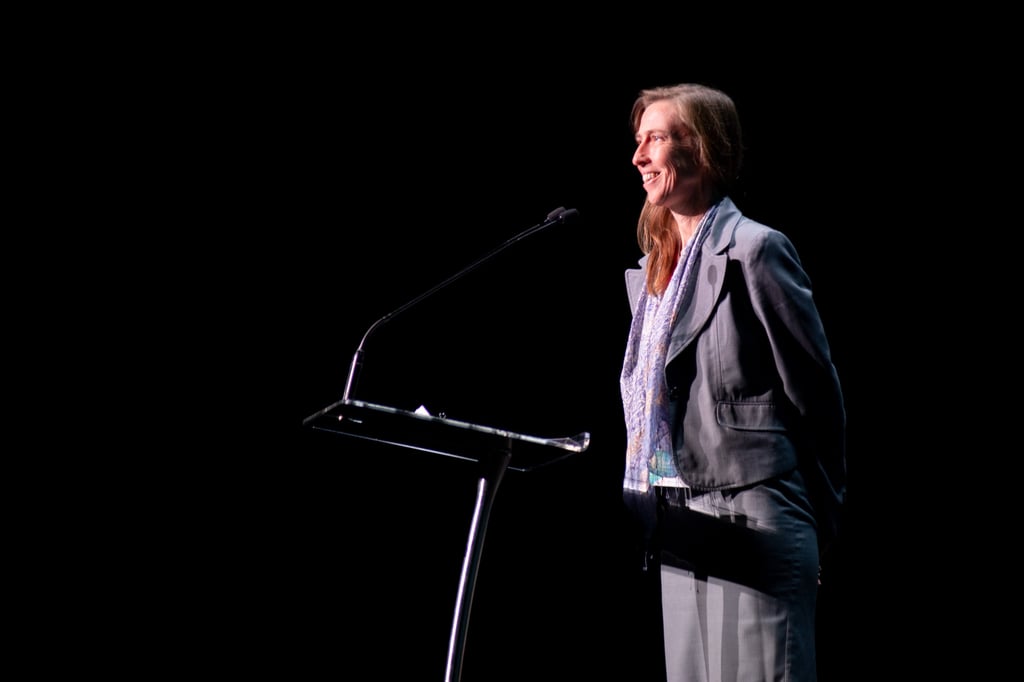
Professor Juliet Willetts appointed UN Special Rapporteur on human rights to water and sanitation
Professor Juliet Willetts will bring more than two decades of water and sanitation research and practice to her new role as a United Nations Special Rapporteur.
News
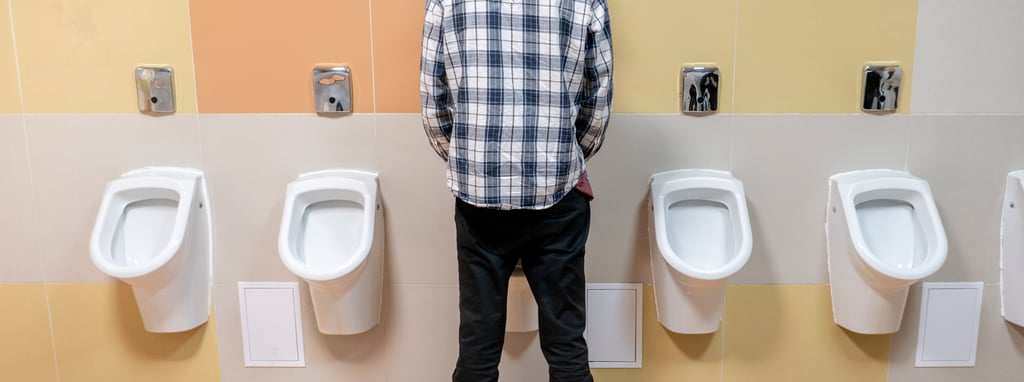
Liquid gold: could we turn our pee into fertiliser?
For thousands of years, human urine has had real value.

News
Australia’s EV sales are skyrocketing. Our charging infrastructure may soon struggle to keep up
Tighter regulation and careful planning will ensure our public chargers actually work.

News
Australia's first roadmap helps investors tackle the hidden carbon in buildings and infrastructure
For years, investors have focused on the emissions generated when buildings are operating.
News
Professor Juliet Willetts appointed UN Special Rapporteur on human rights to water and sanitation
Professor Juliet Willetts will bring more than two decades of water and sanitation research and practice to her new role as a United Nations Special Rapporteur.
News
Liquid gold: could we turn our pee into fertiliser?
For thousands of years, human urine has had real value.
News
Australia’s EV sales are skyrocketing. Our charging infrastructure may soon struggle to keep up
Tighter regulation and careful planning will ensure our public chargers actually work.
News
Australia's first roadmap helps investors tackle the hidden carbon in buildings and infrastructure
For years, investors have focused on the emissions generated when buildings are operating.