

- Posted on 19 Feb 2020
- 5-minute read
Home-owning older Australians should pay more for residential aged care, writes UTS Professor of Health Economics, Michael Woods.
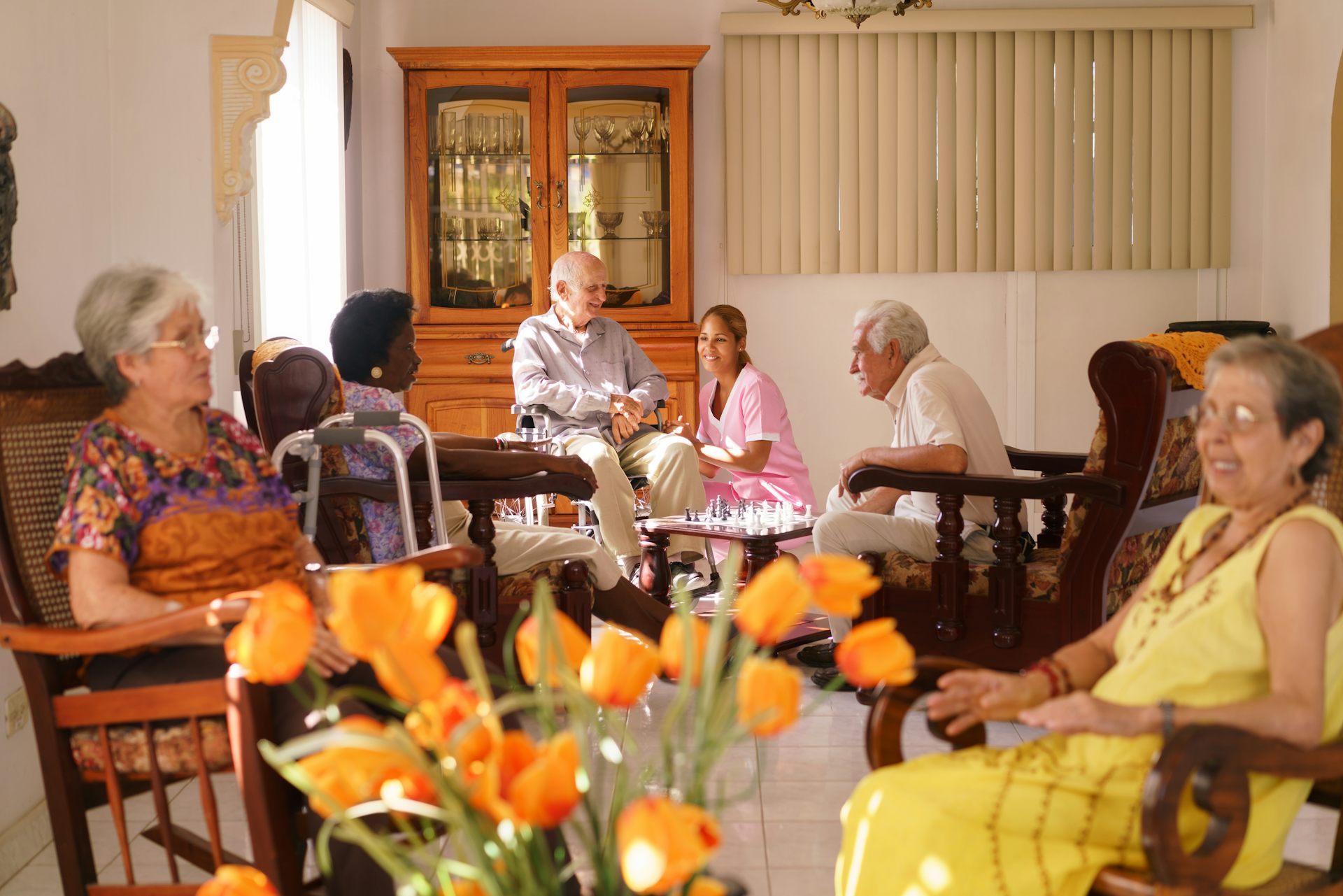
Heavily subsidised aged care services used to be seen as a right and entitlement for all older Australians. But as aged care demand grows and costs rise, it’s becoming increasingly clear the current system isn’t sustainable.
The family home has always been a central part of the debate over how much older Australians should contribute to their aged care services. But it has largely been protected from means tests.
It’s time for Australians who own their own home to contribute more to the cost of their aged care – and there are fair and equitable ways to go about this.
Read more: Nearly 2 out of 3 nursing homes are understaffed. These 10 charts explain why aged care is in crisis
How does the system currently work?
Currently, taxpayers pay the majority of the cost of subsidised aged care services.
In 2017-18, the total cost was A$21.4 billion; the Australian government paid A$16.6 billion, or 77% of that total.
Older people pay less than 10% of the cost of home support and home care.
For residential care, they still only pay around a quarter of the cost (27%). Most of their payment is for meals, cleaning, laundry, and so on – things they would have done or paid for when living at home.
What aged care services are means tested?
There are different consumer contribution arrangements for the three main aged care programs: home support, home care packages and residential aged care homes.
Only one – residential care – takes into account the value of a person’s home.

Home support and home care packages don’t take into account the value of a person’s home. Shutterstock
The home is not counted in the assets test if a partner or dependent children live there, or (with conditions) a carer or close relative lives there.
Further, the value of the home used for the assets test is limited to only A$169,079.20. This may be the total value of the home for those living in poorer areas or rural communities. But it represents only a tenth of the value or less for wealthy home-owners, so it fails to take into account a large proportion of their wealth.
Why the current system isn’t working
The current system isn’t sustainable. The federal government’s budget outlook shows taxpayer expenditure on aged care services will grow rapidly from A$16.8 billion in 2017-18 to A$24 billion by 2022-23 and will continue growing thereafter.
Without change, these aged care subsidies will become an increasingly larger part of Australia’s total economy, growing from around 1% of GDP now to a projected 1.7% of GDP by 2054-55. As such, more of the economy’s production will be devoted to aged care at the expense of other goods and services.
Read more: Don't wait for a crisis – start planning your aged care now
The family home’s special treatment isn’t even supported by the not-for-profit sector.
The Council on the Ageing (COTA) recently told the Royal Commission into Aged Care Quality and Safety that the current levels of taxpayer subsidies are likely to become unsustainable into the future.
COTA said consumer contributions should be more equitable and have regard to their total wealth, including their “real property” – read “the family home”.
Catholic Health Australia, in a submission to the federal government, similarly said it would publicly support including the full value of a person’s former home in the residential care assets test.
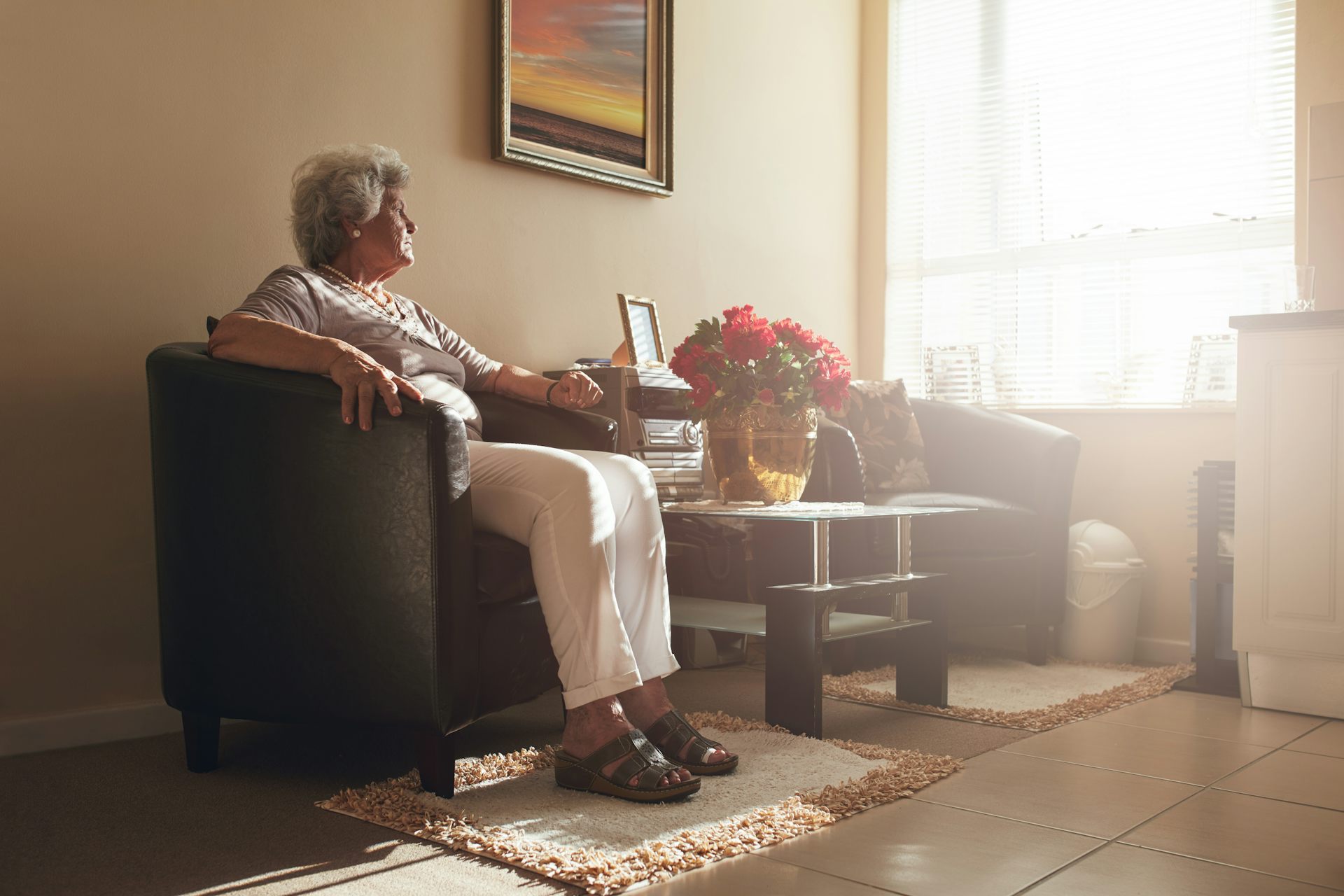
The value of the home used for the residential aged care assets test is limited to A$169,079.20. Shutterstock
So what should we do?
To overcome the current inequities and improve the sustainability of the system, we need to broaden the assessment of an older person’s capacity to pay, by taking greater account of their wealth.
The first step should be to raise the cap on the value of the home in the current residential care assets tests, potentially to the full value of the home.
An assets test could also be included for consumer contributions to home care packages.
Read more: So you're thinking of going into a nursing home? Here's what you'll have to pay for
A second issue is for an older person to draw more readily on their wealth to pay for goods and services, including aged care services, without having to sell their home during their lifetime.
One way forward is greater use of the Pension Loans Scheme, which enables older Australians to receive a voluntary non-taxable fortnightly loan from the government using their home as security.
Given the imperative for greater quality and safety in aged care, and the rising use and cost of these services, the government should publicly explore these options and open up the modelling to community debate. Budget sustainability and the equitable treatment of all older Australians demand nothing less.

Michael Woods, Professor of Health Economics, University of Technology Sydney
This article is republished from The Conversation under a Creative Commons license. Read the original article.