
  • University of Technology Sydney home
  • Home

    Home
  • For students

  • For industry

  • Research

Explore

  • Courses
  • Events
  • News
  • Stories
  • People

For you

  • Libraryarrow_right_alt
  • Staffarrow_right_alt
  • Alumniarrow_right_alt
  • Current studentsarrow_right_alt
  • Study at UTS

    • arrow_right_alt Find a course
    • arrow_right_alt Course areas
    • arrow_right_alt Undergraduate students
    • arrow_right_alt Postgraduate students
    • arrow_right_alt Research Masters and PhD
    • arrow_right_alt Online study and short courses
  • Student information

    • arrow_right_alt Current students
    • arrow_right_alt New UTS students
    • arrow_right_alt Graduates (Alumni)
    • arrow_right_alt High school students
    • arrow_right_alt Indigenous students
    • arrow_right_alt International students
  • Admissions

    • arrow_right_alt How to apply
    • arrow_right_alt Entry pathways
    • arrow_right_alt Eligibility
arrow_right_altVisit our hub for students

For you

  • Libraryarrow_right_alt
  • Staffarrow_right_alt
  • Alumniarrow_right_alt
  • Current studentsarrow_right_alt

POPULAR LINKS

  • Apply for a coursearrow_right_alt
  • Current studentsarrow_right_alt
  • Scholarshipsarrow_right_alt
  • Featured industries

    • arrow_right_alt Agriculture and food
    • arrow_right_alt Defence and space
    • arrow_right_alt Energy and transport
    • arrow_right_alt Government and policy
    • arrow_right_alt Health and medical
    • arrow_right_alt Corporate training
  • Explore

    • arrow_right_alt Tech Central
    • arrow_right_alt Case studies
    • arrow_right_alt Research
arrow_right_altVisit our hub for industry

For you

  • Libraryarrow_right_alt
  • Staffarrow_right_alt
  • Alumniarrow_right_alt
  • Current studentsarrow_right_alt

POPULAR LINKS

  • Find a UTS expertarrow_right_alt
  • Partner with usarrow_right_alt
  • Explore

    • arrow_right_alt Explore our research
    • arrow_right_alt Research centres and institutes
    • arrow_right_alt Graduate research
    • arrow_right_alt Research partnerships
arrow_right_altVisit our hub for research

For you

  • Libraryarrow_right_alt
  • Staffarrow_right_alt
  • Alumniarrow_right_alt
  • Current studentsarrow_right_alt

POPULAR LINKS

  • Find a UTS expertarrow_right_alt
  • Research centres and institutesarrow_right_alt
  • University of Technology Sydney home
University of Technology Sydney home University of Technology Sydney home
  1. ... Newsroom
  2. ... 2015
  3. 11
  4. Researchers study impacts of breast cancer on pregnant women

Researchers study impacts of breast cancer on pregnant women

20 November 2015


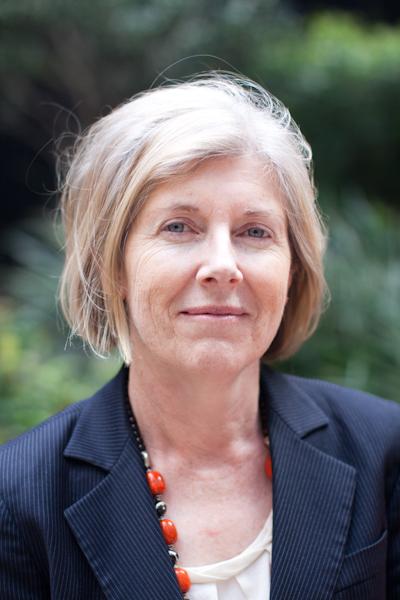
Professor Elizabeth Sullivan

New research has looked at the incidence of breast cancer in pregnant women and examined what treatment they decide to undergo. The research also asked women who had survived breast cancer in pregnancy about their experiences. 

The multidisciplinary research was presented by Professor Elizabeth Sullivan from the UTS Faculty of Health at the Clinical Oncology Society of Australia’s Annual Scientific Meeting in Hobart, held from the 17th to the 19th of November, 2015.

The study, funded by the National Breast Cancer Foundation, found that babies born to women diagnosed with breast cancer have high rates of premature birth but excellent survival rates. Breast cancer in pregnancy is very uncommon, affecting an estimated eight per 100 000 births or 25 in Australia per year. The majority of cases occur with women aged 35 and over.

“Our national study looked specifically at the outcomes of 47 women in Australia and New Zealand who proceeded with a pregnancy after being diagnosed with breast cancer, or who were diagnosed with breast cancer shortly after giving birth,” Professor Sullivan said.

It was found that 77 per cent of women had breast symptoms prior to diagnosis. 65 per cent of women with cancer had their birth induced and in four out of five cases, breast cancer management was the reason for induction. Approximately 42 per cent of babies were born prematurely, 25 per cent of infants were low birth weight and 32 per cent required admission to special care.

 “Although it is encouraging that all infants survived, the very high rate of preterm birth is of concern,” said Professor Sullivan.

Sullivan and her fellow researchers found that women diagnosed in early pregnancy are much more likely to have some form of surgery (breast conservation or mastectomy) followed by a therapeutic regime that may include chemotherapy.   Women diagnosed in the third trimester of pregnancy often have their birth induced and their cancer treatment delivered afterwards.

Positively, the study found that chemotherapy could be safely delivered after the first trimester, with no adverse affects on the baby.

“However, it appears this message is not always getting through to women or their obstetricians who often opt for early delivery rather than undergoing the important cancer treatment during pregnancy,” said Professor Christobel Saunders, investigator and cancer surgeon on the study. 

The qualitative research from Professor Sullivan’s colleagues also highlighted some of the psychological concerns pregnant women with cancer experience.

“Pregnancy is usually a time of joy, but cancer changes that. The combination of expecting new life and having a life threatening illness is psychologically extremely challenging and confronting.”

Quality of communication between the cancer and maternity care teams was identified as the most important factor impacting a woman’s experience of care. The study also found that breast cancer nurses were highly valued in patient care.

Clinical Oncology Society of Australia President, Professor Mei Krishnasamy, said that it was important for cancer professionals to be across not only the latest medical research on pregnancy and cancer, but also the supportive care needs of patients.

“Pregnancy and cancer is an extremely complex issue,” Professor Krishnasamy said. “It’s encouraging to see some positive evidence about how cancer treatment during pregnancy can be managed, but it’s also necessary to acknowledge that this may not be possible for all women. Either way, support is vital.”

Read or listen to Professor Sullivan on the 2ser Think:Health program

Elizabeth Sullivan breast cancer + pregnancy COSA media release 18 Nov 2015.pdf (180 KB)

Byline

Jack Schmidt
Share
Share this on Facebook Share this on Twitter Share this on LinkedIn
Back to News in Health

Acknowledgement of Country

UTS acknowledges the Gadigal people of the Eora Nation, the Boorooberongal people of the Dharug Nation, the Bidiagal people and the Gamaygal people upon whose ancestral lands our university stands. We would also like to pay respect to the Elders both past and present, acknowledging them as the traditional custodians of knowledge for these lands.

University of Technology Sydney

City Campus

15 Broadway, Ultimo, NSW 2007

Get in touch with UTS

Follow us

  • Instagram
  • LinkedIn
  • YouTube
  • TikTok
  • Facebook
  • WeChat

A member of

  • Australian Technology Network
Use arrow keys to navigate within each column of links. Press Tab to move between columns.

Study

  • Find a course
  • Undergraduate
  • Postgraduate
  • How to apply
  • Scholarships and prizes
  • International students
  • Campus maps
  • Accommodation

Engage

  • Find an expert
  • Industry
  • News
  • Events
  • Experience UTS
  • Research
  • Stories
  • Alumni

About

  • Who we are
  • Faculties
  • Learning and teaching
  • Sustainability
  • Initiatives
  • Equity, diversity and inclusion
  • Campus and locations
  • Awards and rankings
  • Leadership and governance

Staff and students

  • Current students
  • Help and support
  • Library
  • Policies
  • StaffConnect
  • Working at UTS
  • UTS Handbook
  • Contact us
  • Copyright © 2025
  • ABN: 77 257 686 961
  • CRICOS provider number: 00099F
  • TEQSA provider number: PRV12060
  • TEQSA category: Australian University
  • Privacy
  • Copyright
  • Disclaimer
  • Accessibility