


Resilient urban futures
Resilient and sustainable urban environments embed much more than the triple bottom line and anticipating, adapting and responding to environmental shocks and stresses. At the School of Built Environment, we embrace a broad approach that includes the roles of organisations and communities in enabling and supporting the creation and development of such resilient and sustainable environments.
The Resilient Futures Stream of the School of Built Environment is a transdisciplinary, hands-on team that works closely with industry, other partner universities, not-for-profit and communities to help them achieve their goals in this space.
We focus on a wide range of topics, such as climate, places, inclusiveness and security, involving a diversity of populations, including children and vulnerable communities. We employ a multitude of methods, including stakeholder engagement, action research, analysing big data and spatial analysis.
Our main goal is to develop impactful research that solves real-life problems and positions our partners as thought leaders in their fields.
Get in touch
Contact the stream leader, Gabriela Quintana Vigiola.
Research projects
Download a fact sheet to learn more about our projects and findings.
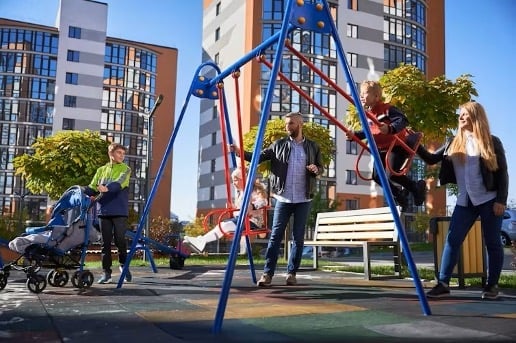
Resident perceptions of intensification
Western City and the transformation of local government
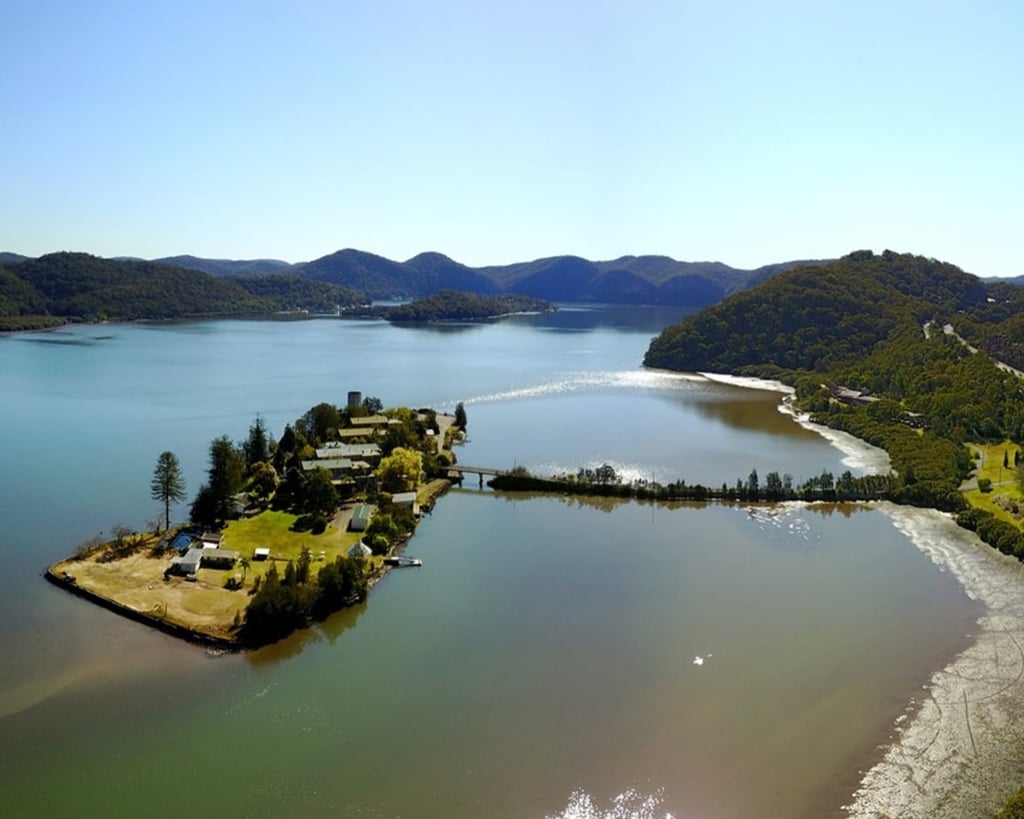
Disability Activism and Institutional Heritage
Planning, Remembrance and Rights

Analysing and Predicting the Geospatial Transformation of the Rural-Urban Fringe of Delhi
Lessons for other megacities
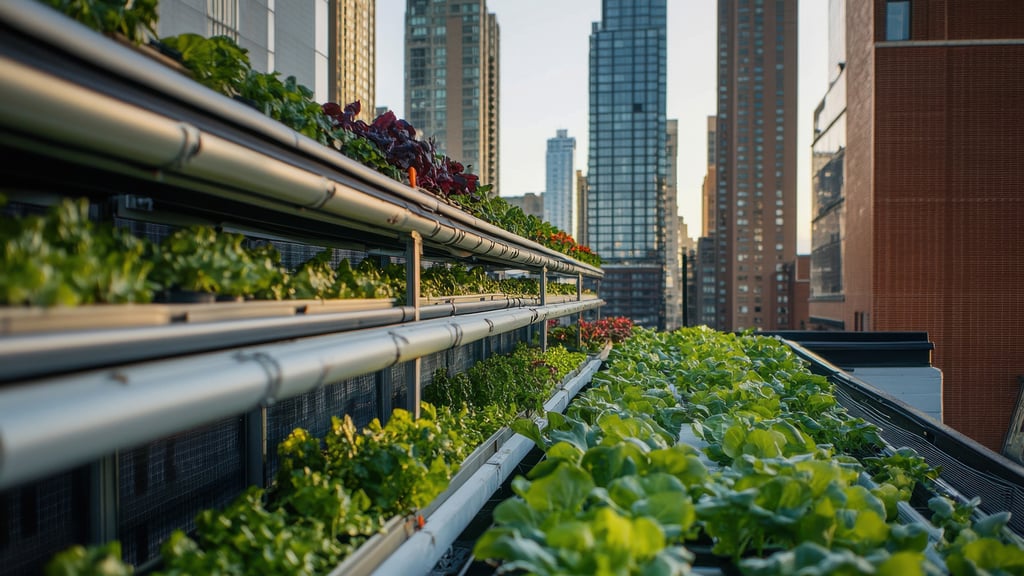
Growing Food and Density Together
Enabling sustainable urban transformation through local food production
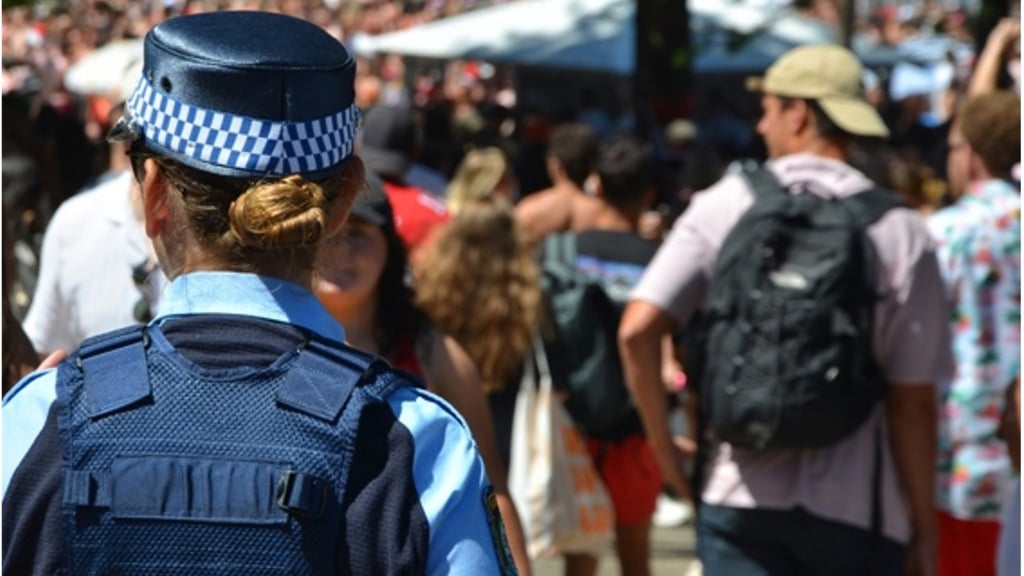
The Security of Public Places
Identifying Principles and Practice for an Integrated Public Realm
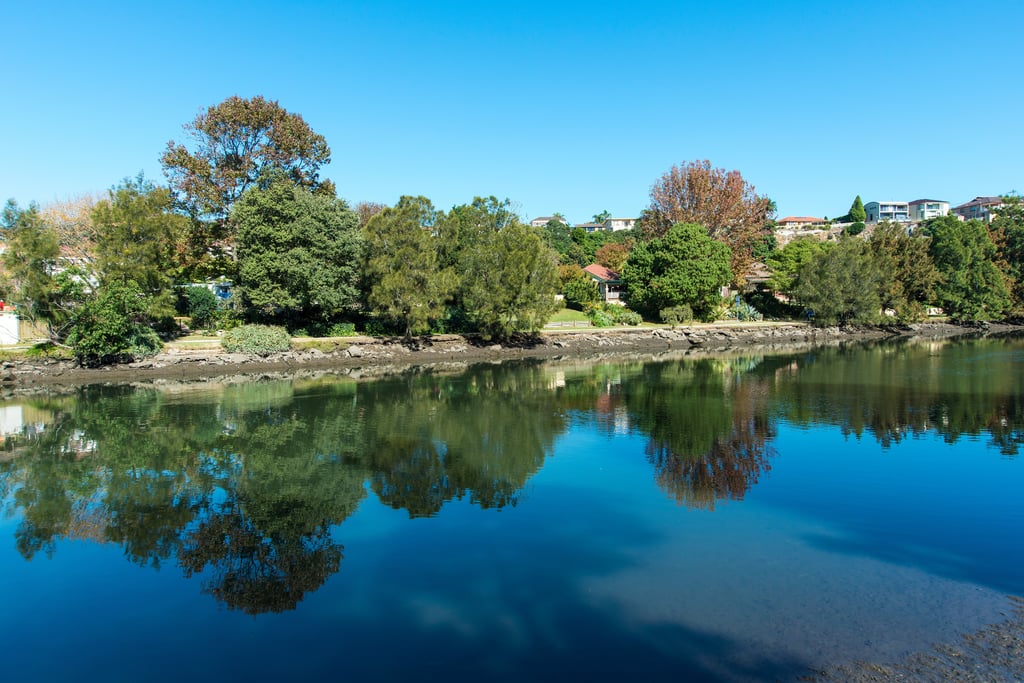
The interface between green infrastructure planning and flood resilience
Current barriers and opportunities
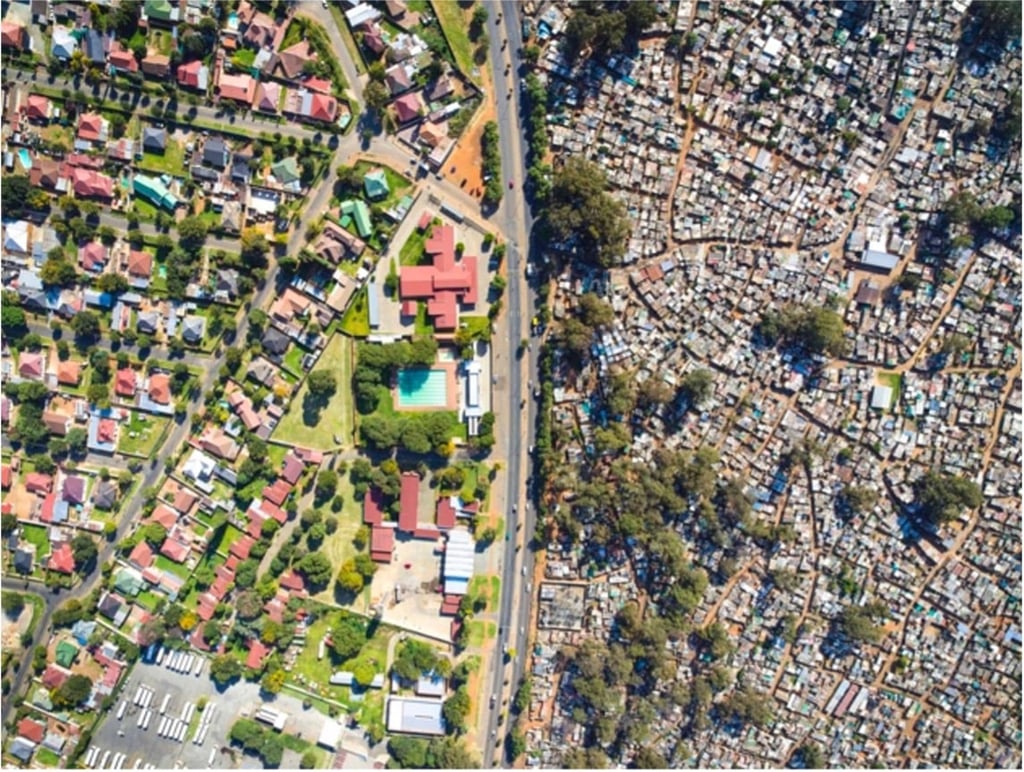
Towards Climate-Resilient Urban Settlements?
Exploring Perceptions of Urban Land and Views of Property in SubSaharan African Cities
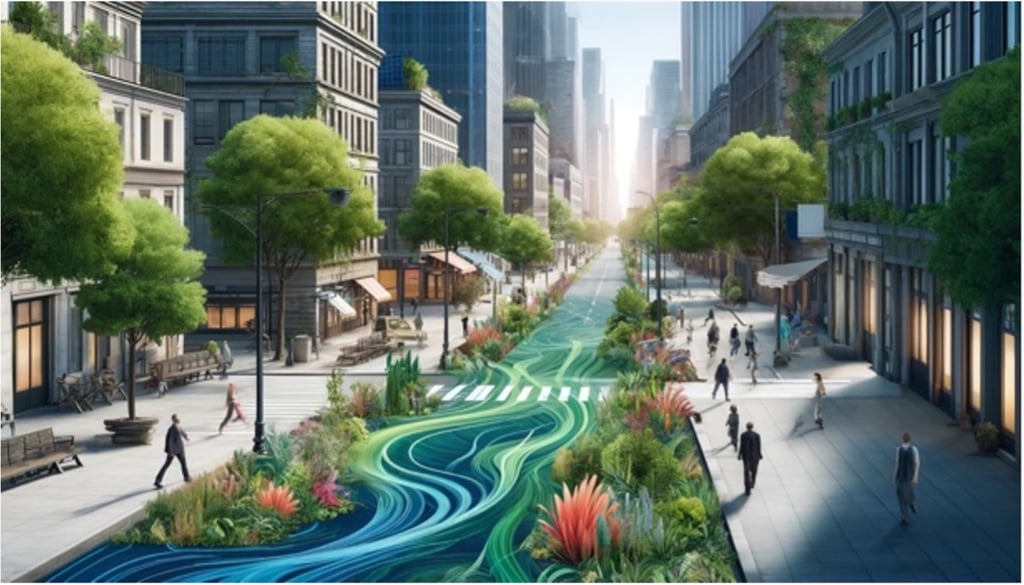
Towards low-carbon green streets
Modelling street greenery carbon storage and sequestration capacity using computer vision approaches
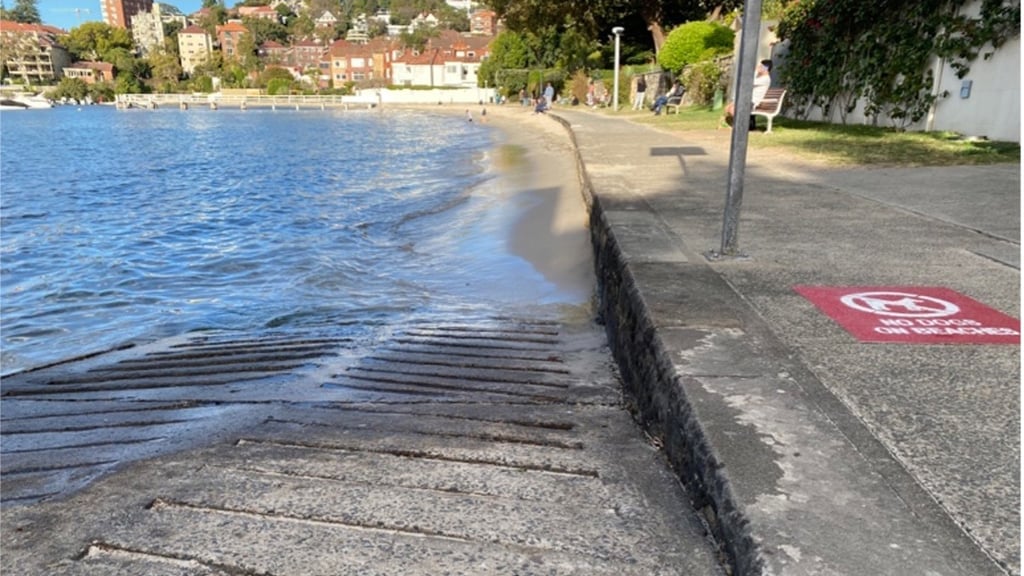
Facing the Tide
How can Woollahra’s Urban Planning Outsmart Flood Risks?