


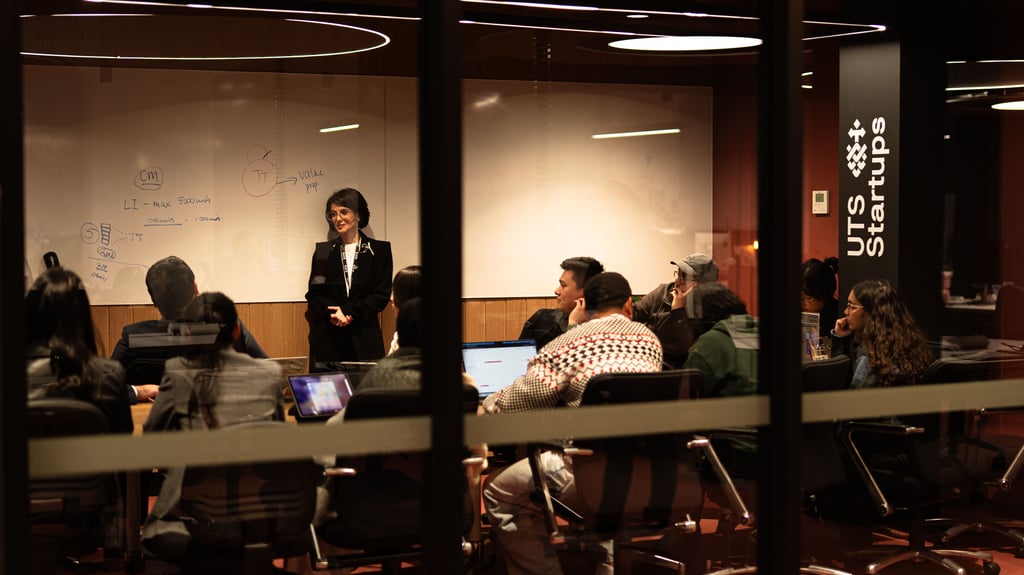
On a weekday morning in Sydney’s Tech Central, the hum of conversation mixes with the tap of keyboards. Founders sketch ideas on whiteboards. Students troubleshoot code. Nearby, a prototype is tested, adjusted and improved.
This is UTS Startups, where the traditional graduate career path no longer applies.
For most graduates, the script is familiar: polish a resume, update LinkedIn and compete for roles at large organisations. Inside this incubator, the story unfolds differently. Instead of following a set pathway, students learn to navigate uncertainty, working alongside early‑stage companies and taking on different roles. They experiment with emerging technologies and, in some cases, launch ventures before they graduate.
This reflects a wider change in how younger people think about work.
Associate Professor Jochen Schweitzer, a strategy, innovation and entrepreneurship expert at UTS, says many people today are seeking greater agency and purpose in their careers.
“Younger generations rank autonomy and impact highly when thinking about their careers. They want to build something meaningful, not just climb a corporate ladder laid out by someone else,” he says.
“Entrepreneurship is no longer a niche elective,” Schweitzer adds.
“It’s becoming a core graduate capability.”
A village of capability
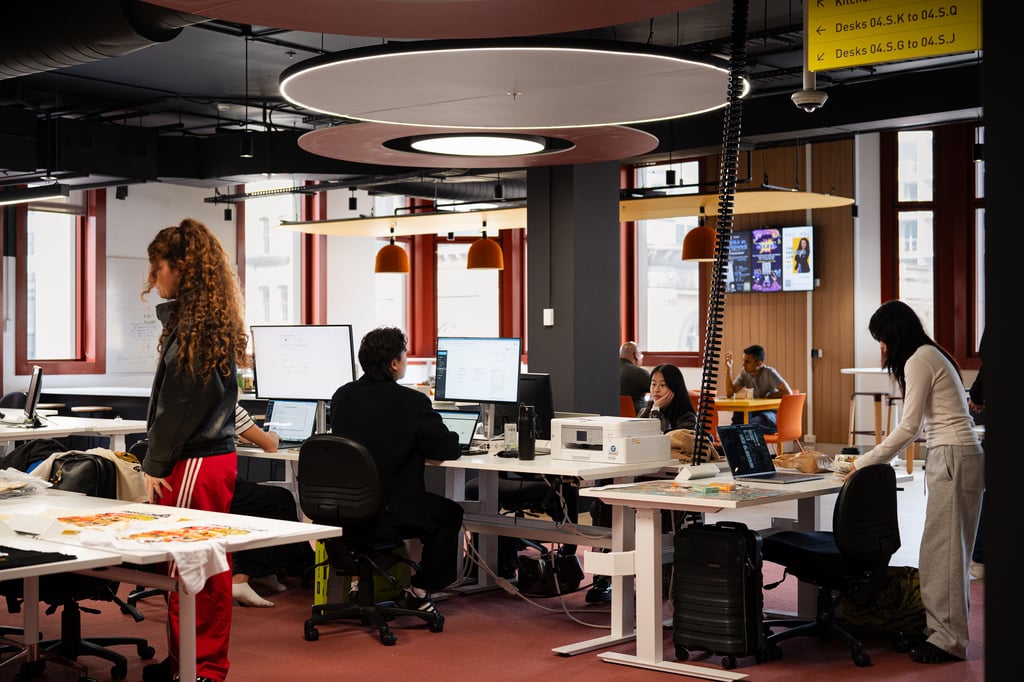
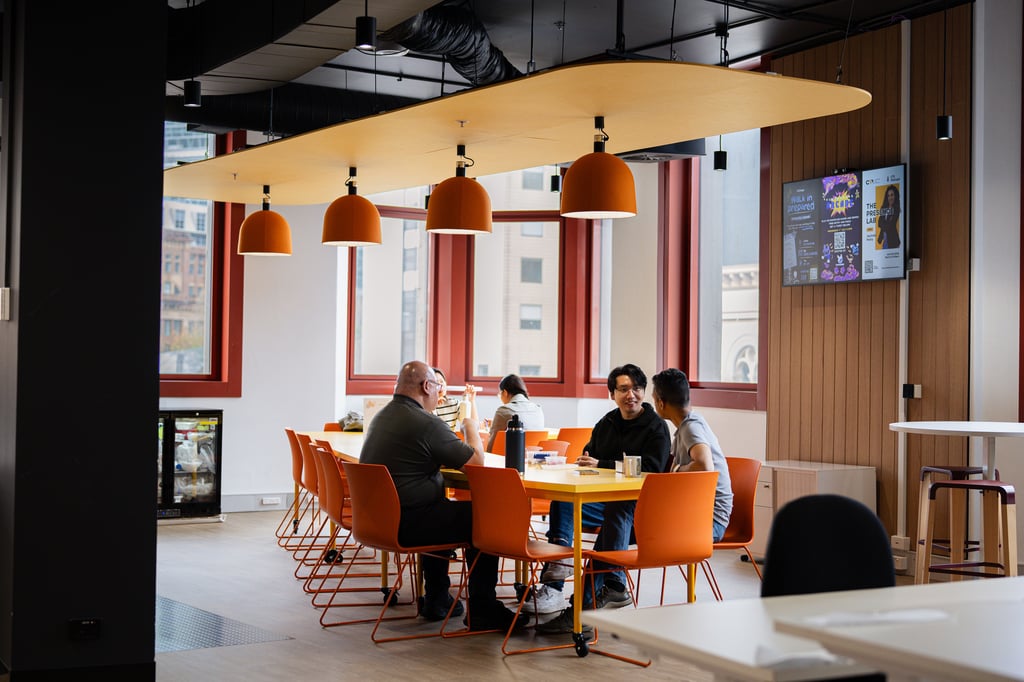
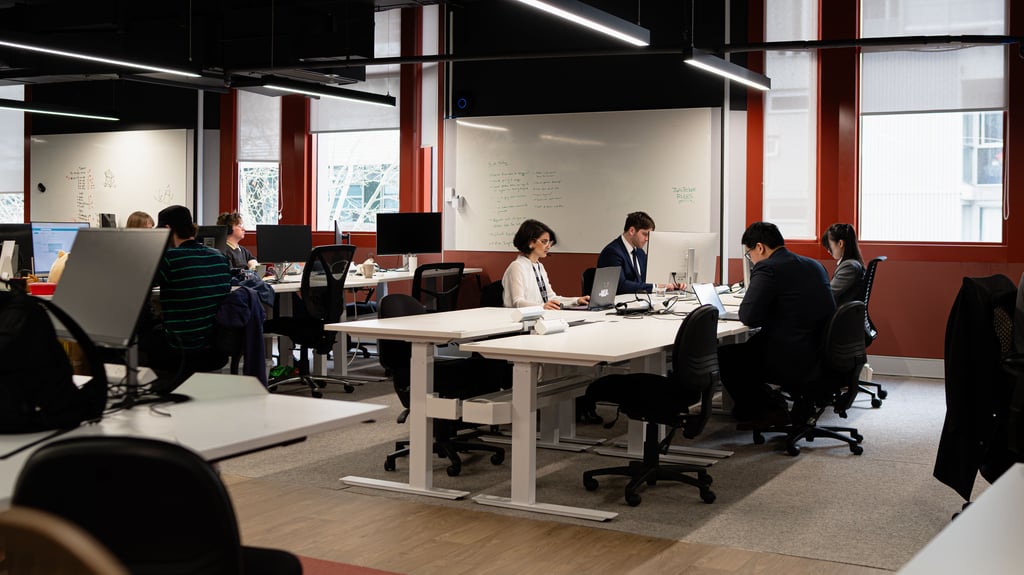
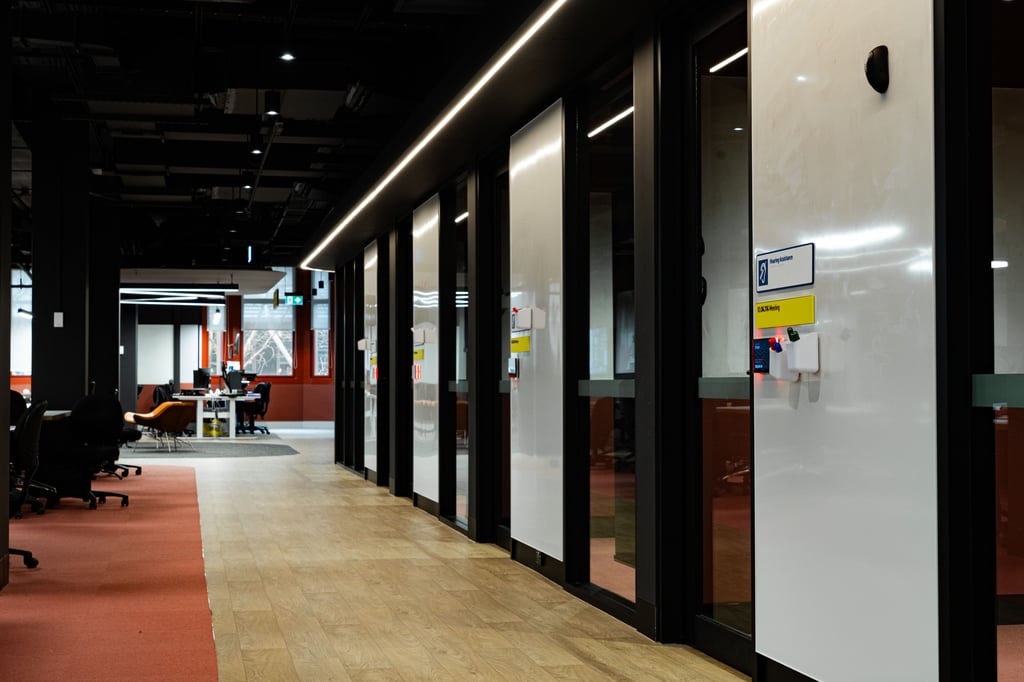
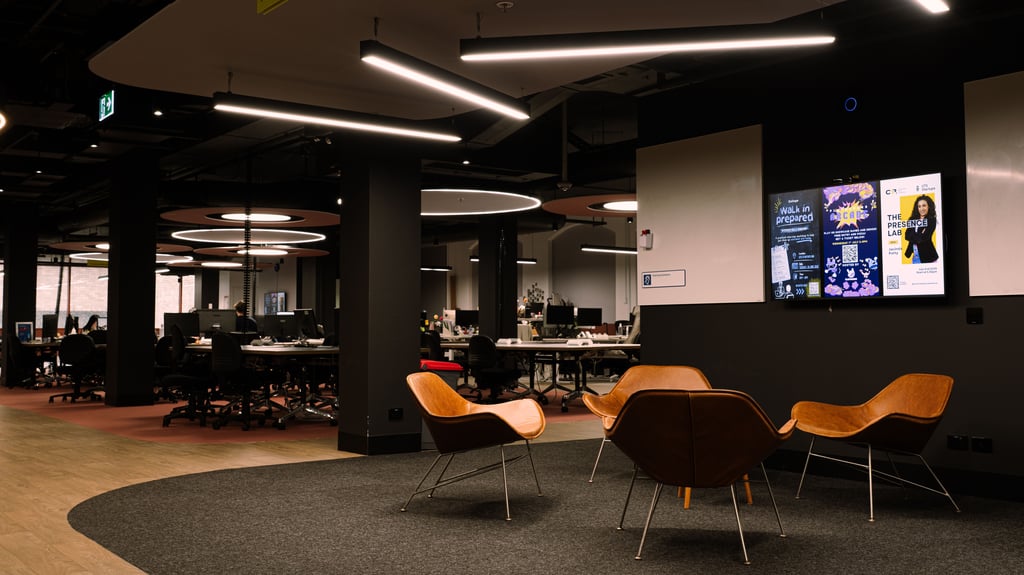
Across 250 desks in a purpose‑built incubator, the UTS Startups ecosystem is busy and interconnected.
It operates less like a traditional workspace and more like a village. Alumni mentor students. Founders hire interns. Students who once joined to learn now lead projects themselves.
“Startups arrive here with skills and networks,” says Head of Startups, Murray Hurps.
“We add collaborative spaces, technology, mentorship, knowledge and connections.”
The model is intentionally simple: bring founders and students together, give them the right support, and create an environment where learning, experimentation and growth can happen. In that setting, founders tap into technical expertise, business guidance, mentorship and funding pathways, while students gain hands on experience solving real problems and applying their skills beyond the classroom.
Founders, students, researchers and investors move through the same rooms, sharing ideas and testing assumptions. For students, these moments offer a front‑row view of how innovation actually happens, how decisions are made under uncertainty and how teams adapt in real time.
Location plays a role too. In the heart of Tech Central, conversations from the cafe to the lift can spark new ideas, collaboration or investment.
Schweitzer says the real value of spaces like this lies in the density of connections they create.
“When founders, students, corporates and researchers are in close proximity, unexpected collaborations emerge,” he says.
Featured contributors

Associate Professor, Business School

Director, Entrepreneurship, DVC (External Engagement and Partnerships)

Mona Chiha, founder of JurisTechne, Master of Business Administration, Entrepreneurial PhD

Harrison White
Lead data engineer at JurisTechne, Bachelor of Engineering (Data Science)
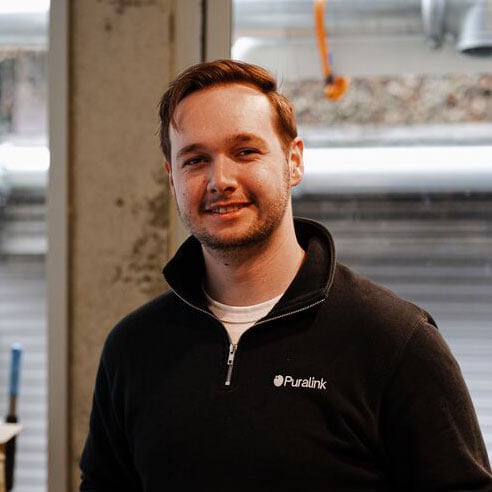
Harrison Crowe-Maxwell
Co-founder of Puralink, Bachelor of Engineering (Honours)
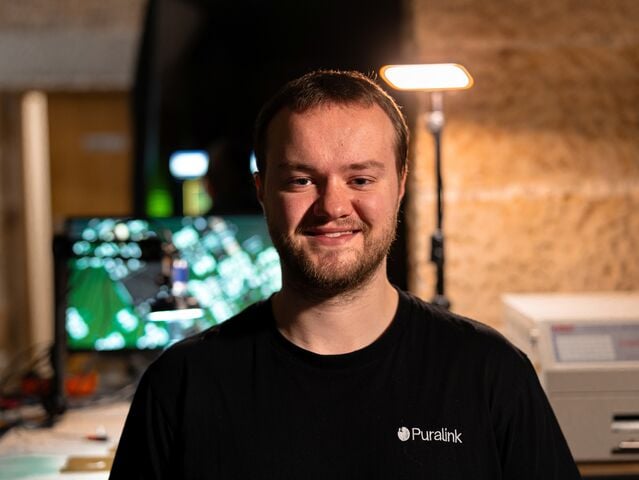
Gavin Kocsis
Electrical engineer at Puralink, Bachelor of Engineering (Electrical and Electronics)
Younger generations rank autonomy and impact highly when thinking about their careers. They want to build something meaningful.
Where learning, research and practice meet
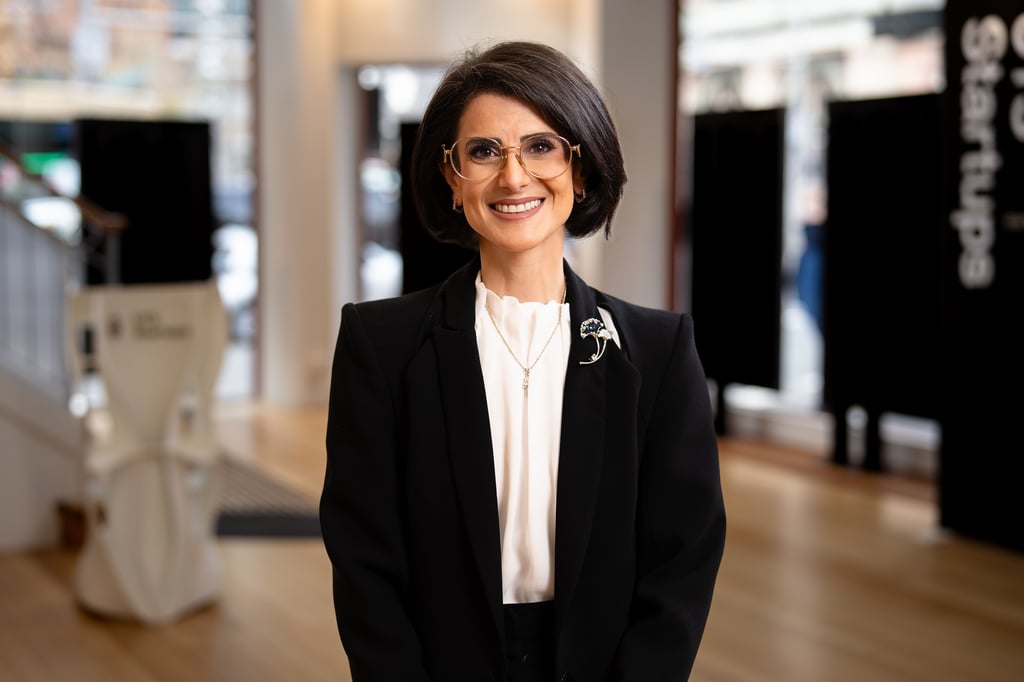
For founder Mona Chiha, UTS Startups became the place where education, research and entrepreneurship reinforced each other. After two decades as a serial entrepreneur, she enrolled in an MBA at UTS, where she began developing JurisTechne, a legal research and data analytics company.
Rather than treating study and business as separate pursuits, Chiha used the MBA as a development engine.
“I looked at every aspect of the business in conjunction with every subject,” she says.
A guest lecture by Dr Ian Opperman, former NSW Chief Data Scientist and now Commissioner of the ACCC, sparked an ongoing collaboration. He remains a shareholder in JurisTechne.
The UTS Startups incubator gave her space to experiment, connect with industry experts and tap into student talent to develop and test the technology.
Support also extended to skills development. In the early days, she recalls shaking visibly during her first pitch. Aaron Ngan from UTS Startups offered one-on-one mentoring and opportunities to practise.
“Every time I presented, I felt nervous,” she admits.
“But I’ve only been able to overcome my nerves and build confidence during presentations because I’ve had the opportunity to practise. ”
Her cumulative business experience also led Chiha to pursue an entrepreneurial PhD, research that now underpins JurisTechne's transparent and explainable AI.
Rather than relying on large language models, JurisTechne is built on hand-crafted knowledge graphs, designed to produce consistent and traceable results. This makes AI hallucinations architecturally impossible.
In practice, it produces outputs lawyers can audit and defend, with reasoning that can be verified by courts and work clients can trust.
1546
The number of startups supported
The student advantage
Building JurisTechne required a team willing to experiment and solve problems without established answers. That’s where students like Harrison White came in.
Now a final year Bachelor of Engineering (Data Science) student, White joined when the development team consisted of just two people.
“A major part of my role has been building systems to process case law documents at scale,” he says.
“We designed ways to extract and categorise metadata, structure legal content and ingest it into a graph database without relying on generative AI. The experience went far beyond a traditional internship or what a degree alone can offer.”
Over time, his responsibilities grew. White is now lead data engineer, working across database design, pipeline architecture, cloud computing and team leadership, all while finishing his degree. He also helps new interns develop their skills.
“Universities give you the foundations,” he says.
“The startup experience lets you apply them in practice.”
Schweitzer says experiences like this help students develop capabilities that are difficult to build through traditional coursework.
“In a classroom, problems are well defined, and the answer exists somewhere,” he says.
“In a startup, students work with incomplete information, limited resources and real consequences.
“They also develop a much deeper understanding of customers and markets, because they’re talking to people directly, not reading case studies about them. These are the capabilities employers are increasingly looking for.”
2450
The number of students who have engaged with UTS Startups through internships, in-subject projects and entrepreneurial ventures.
Mentorship and culture
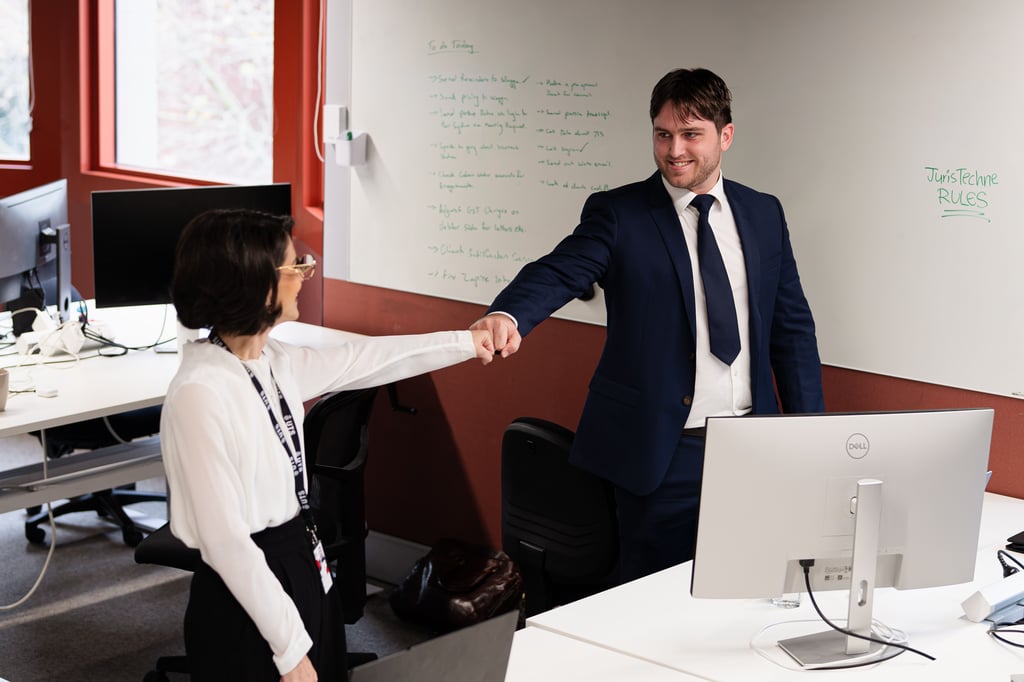
For Chiha, UTS Startups offered more than desk space and technical resources; it offered community. Initiatives like the Female Founders group bring women together to exchange ideas, build networks and support each other's growth as founders.
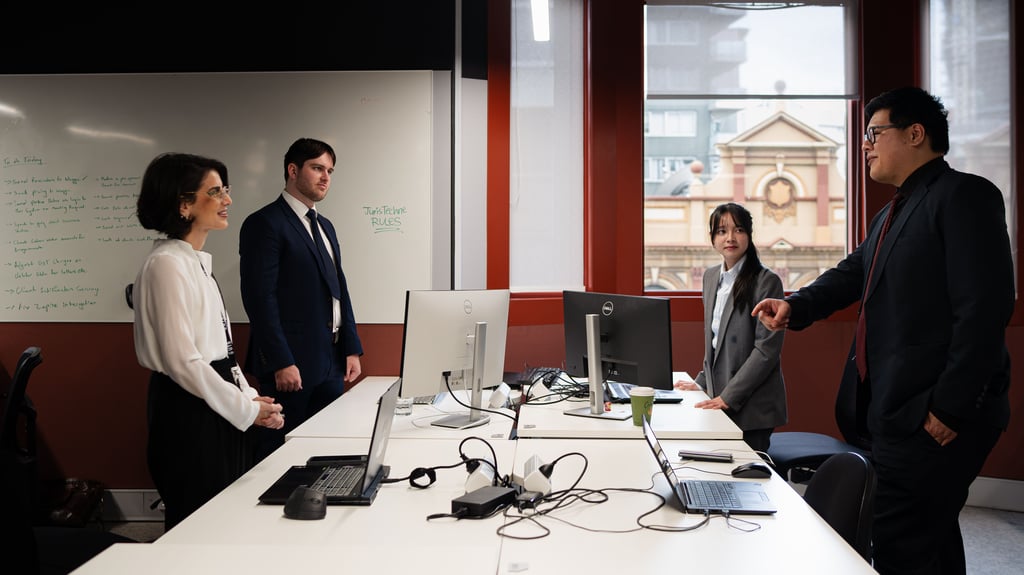
That sense of belonging shapes how she builds her own team. Throughout JurisTechne’s development, Chiha has worked with nearly 30 UTS interns and hired five as full-time employees.
Students bring fresh perspectives. In return, Chiha works to create a culture that challenges traditional workplace norms.
“You’re not an expense, you’re an investment,” she says.
“You’re a human who has value and deserves an environment that is respectful, empowering and collaborative.”
White experienced that firsthand.
“Mona has always encouraged me to grow into bigger and more challenging roles,” he says.
“She actively reinvests in my learning and development as well.”
Today, every JurisTechne employee is enrolled in an MBA together, not for certification, but for shared learning.
“We grow and we learn and we develop together,” Chiha says.
30
The number of UTS interns who have worked with JurisTechne.
Universities give you the foundations. The startup experience lets you apply them in practice.
Engineering solutions to leaky problems
The problems being tackled across UTS Startups vary widely, but the pattern of student-founder collaboration remains constant.
Harrison Crowe-Maxwell’s path to entrepreneurship began with a broken pipe. In 2019, during Sydney’s bushfires and drought, a major leak happened outside his home. The repair crew had to dig up half the street just to find it.
“Coming from a robotics background, it struck me as really manual, really inefficient. Surely there had to be a better way,” he recalls.
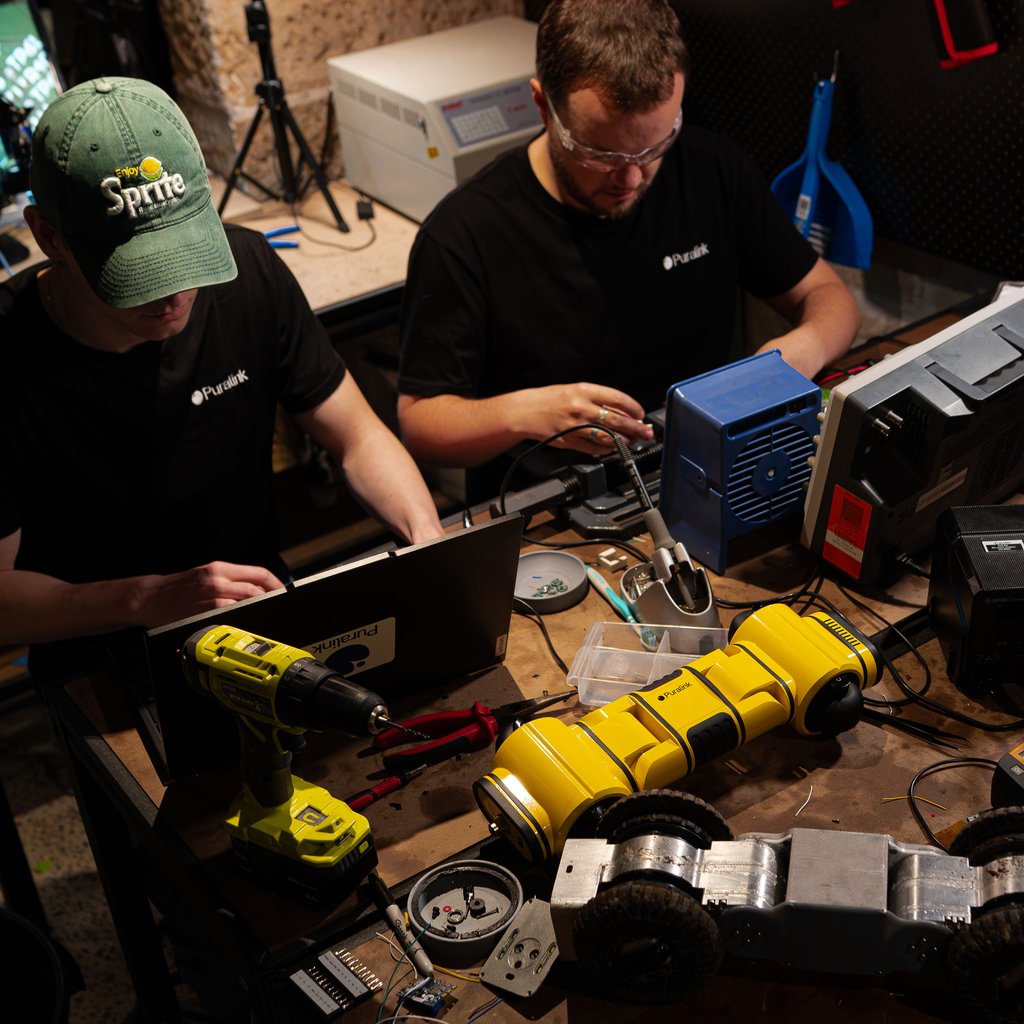
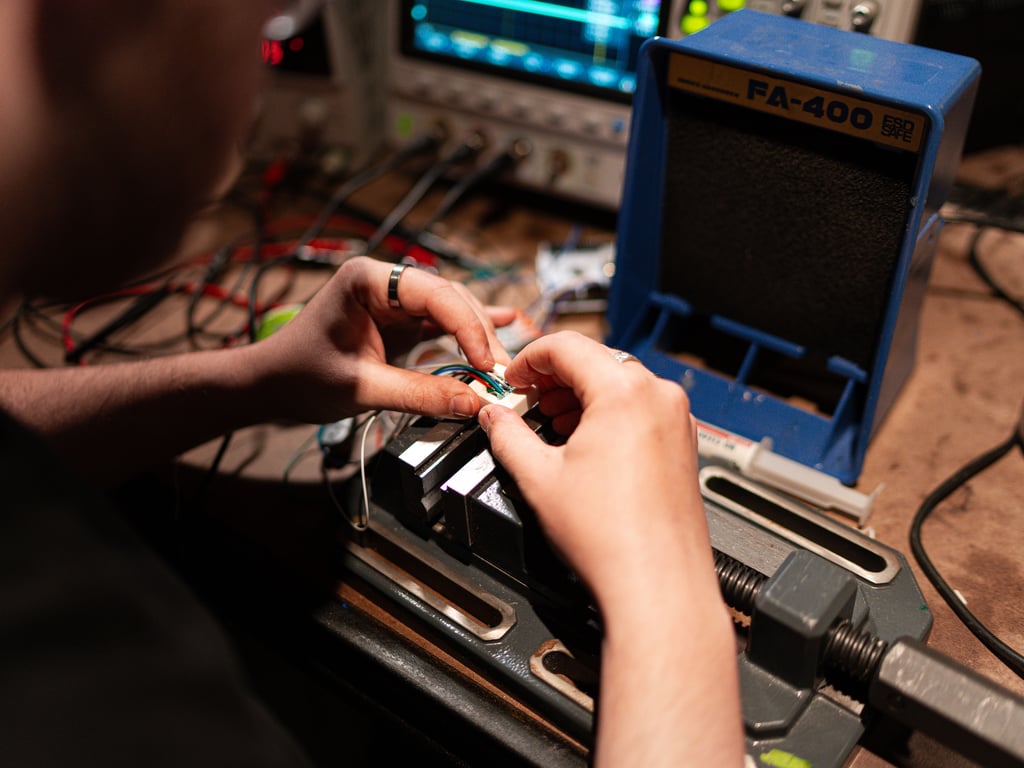
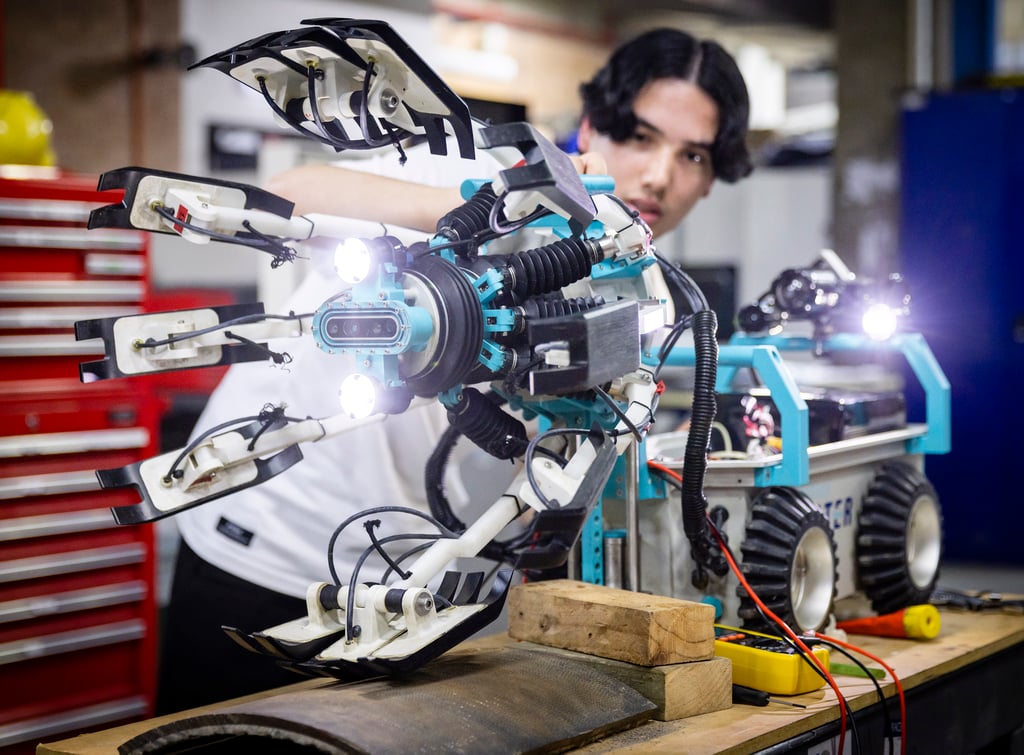
That frustration became the spark for Puralink, a company building autonomous robots that inspect pipes from the inside, detecting leaks before they turn into catastrophic failures. The scale of the problem is staggering: global pipe infrastructure could stretch from Earth to the moon 150 times, and up to 30% of fresh drinking water is lost to leaks.
Like Chiha, Crowe-Maxwell found UTS Startups offered more than technical support.
“There were two really big ways UTS Startups helped us,” he explains.
“The first was a space to work from. Having a dedicated location where you can focus on what you’re building is huge.”
The second was connections.
“Being able to go to the UTS Startups team with a problem and have them point you in the right direction is beyond valuable.”
Simple but critical steps, like filing a patent or registering a business, became manageable with the right guidance.
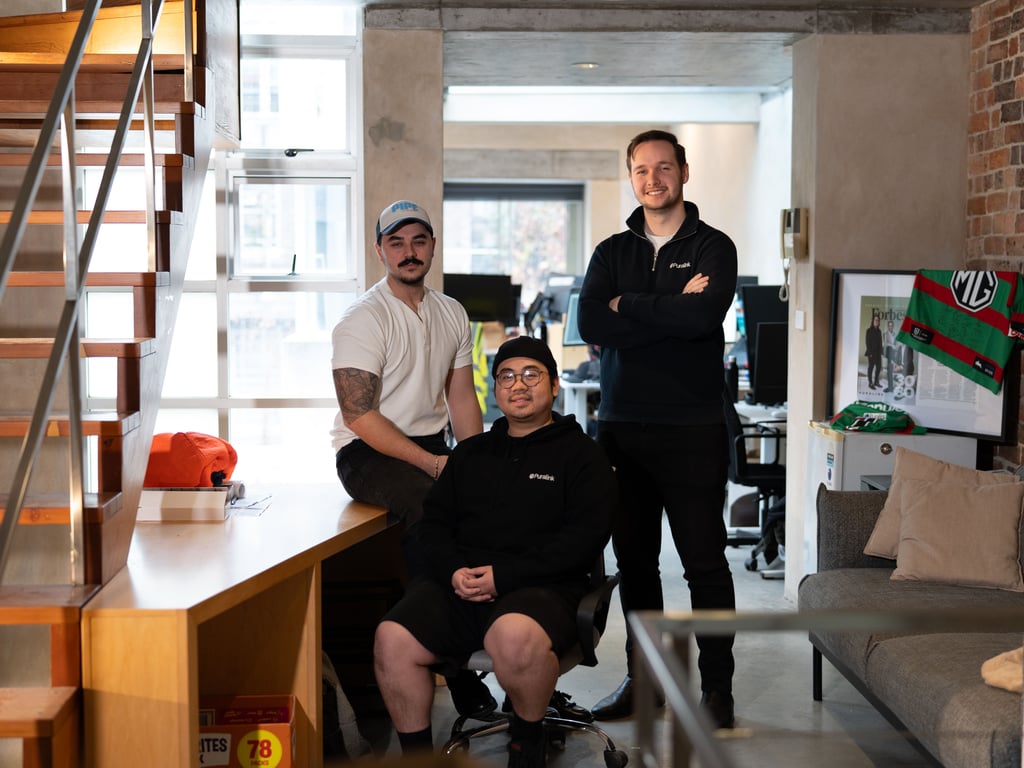
Today, Puralink's team of 14 is deeply connected to UTS: 12 members are UTS alumni or students currently completing internships with the company. The company has also continued to grow, recently raising over $2 million, led by Peak XV (Sequoia's Southeast Asia and India fund), to scale production of its 'Ferret' robots.
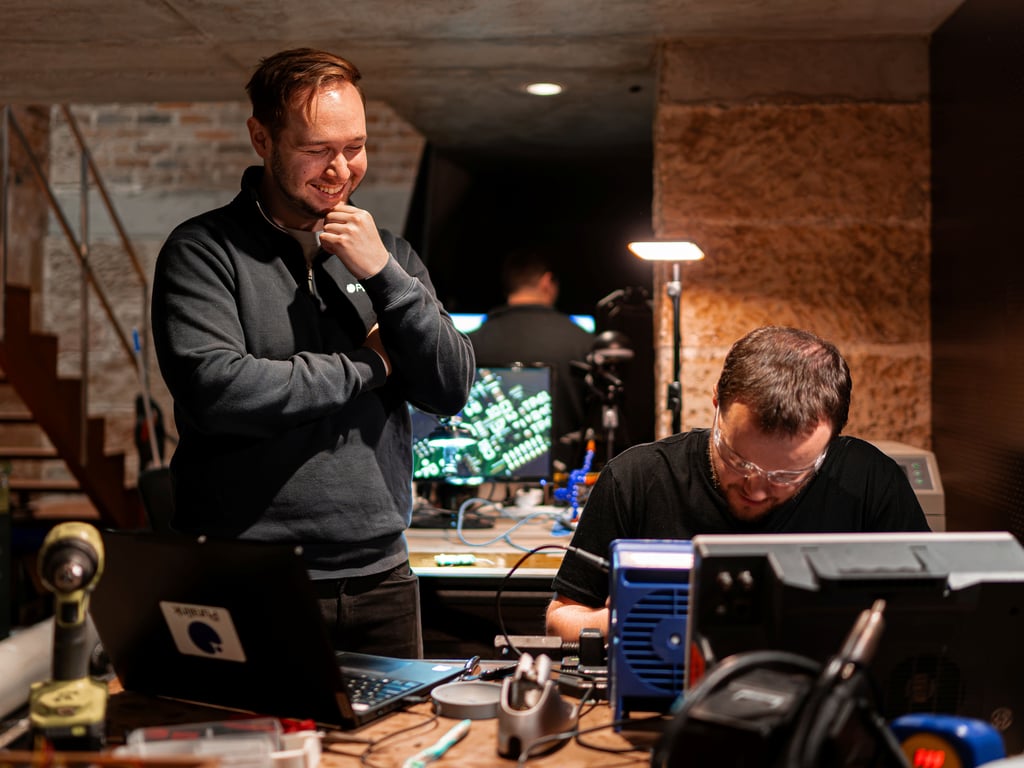
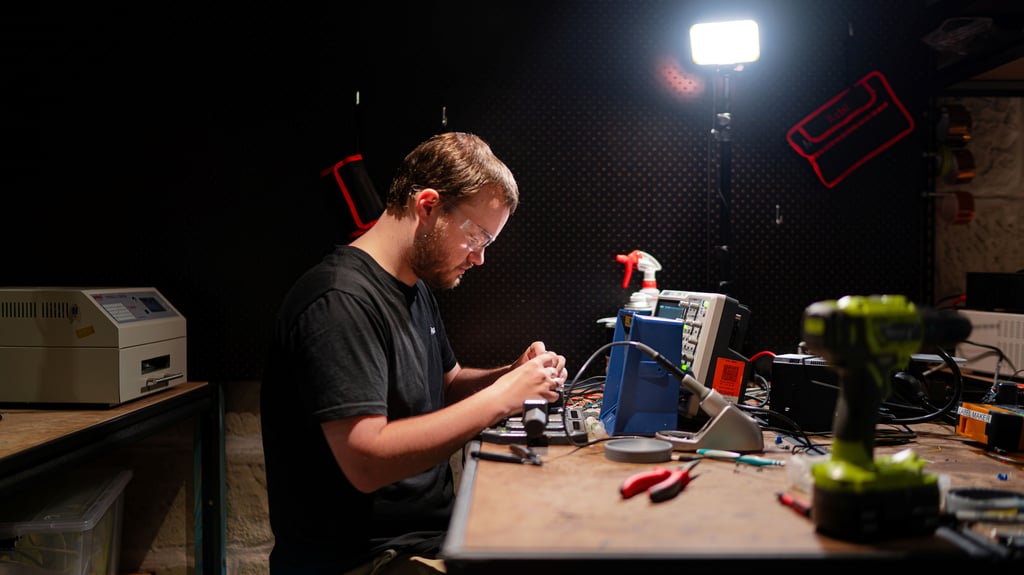
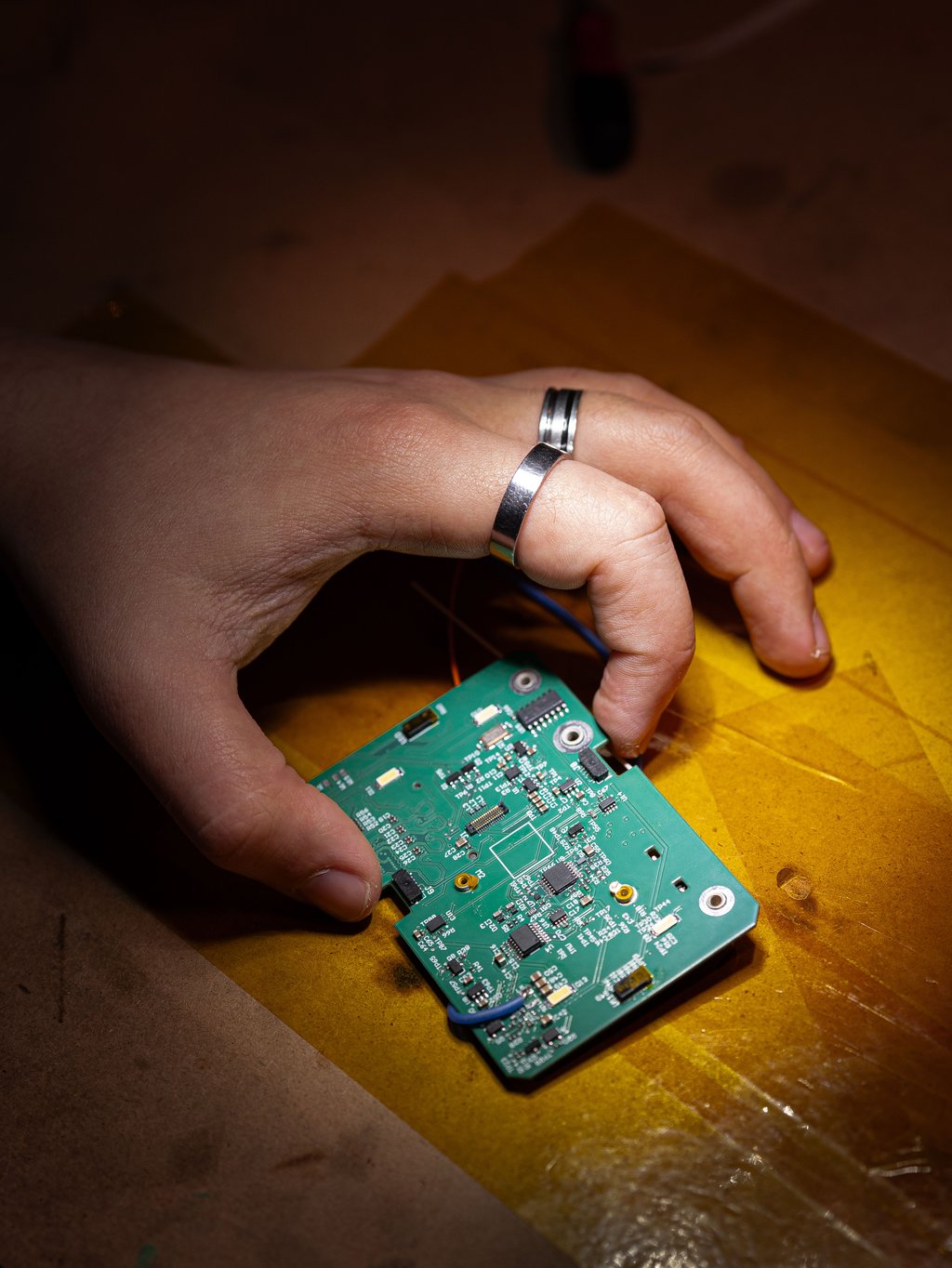
One intern-turned-employee shows the power of this ecosystem. Gavin Kocsis joined when Puralink was a three-person team with little electrical expertise. He took it upon himself to miniaturise custom motor controllers for Puralink’s patented drive system, a size-constrained challenge given the robots operate inside pipes.
“This was something he decided would benefit the company,” Crowe-Maxwell says.
“It started as experimental, but it’s become a massive uplift in our capability because he took that leap.”
12
Out of 14 Puralink employees are from UTS
Staying ahead of the curve
Hurps believes universities have a unique opportunity to create value for students, industry and startups by working with hundreds of early-stage companies, rather than focusing on a small number of large corporate partnerships.
The impact is already visible. Puralink is tackling a global water crisis. JurisTechne is reshaping legal research. Students are gaining experience that can’t be replicated in a classroom. Programs like UTS Startups show how universities can do more than teach knowledge – they can help create it.
Schweitzer says the landscape for new ventures has shifted dramatically in recent years.
“The tools have never been more accessible. You can validate an idea, build a minimum viable product [MVP] and reach a global audience faster and cheaper than ever before.
“That accessibility has also raised expectations. Standing out now requires sharper thinking, stronger execution and a clear understanding of the problem being solved. The pathway is wider, but the competition is fiercer,” he says.
Rapid technological change is accelerating this shift. By the time curriculum is approved, technology has often moved on. Hurps says the answer isn’t trying to keep pace with every development in the classroom but building environments where those skills are constantly applied.
“If we bring in companies using emerging technologies, we create a community of people who aren’t just talking about these skills, they’re applying them in practice.”
In that kind of ecosystem, opportunity flows in every direction. White now mentors newer students. Chiha has hired five interns full-time. Kocsis’ experimental leap became a core capability for Puralink.
The cycle of entrepreneurship continues: those who are supported go on to support others.
Story
Inclusive by co-design
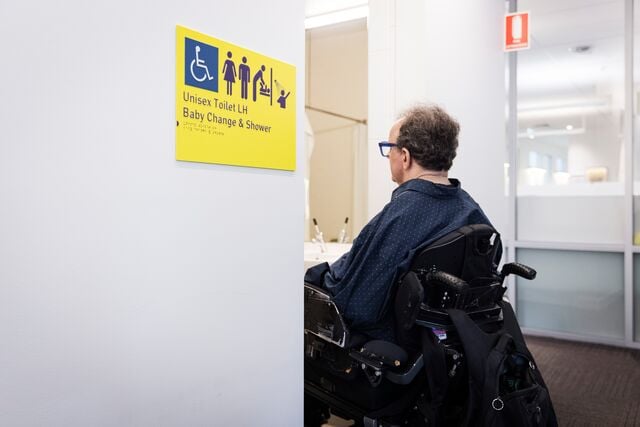
How UTS researchers are combining lived experience and real-world data to rethink accessible bathroom design.
Story
Behind the scenes of an award-winning animation
At Animal Logic Academy, students aren't just learning how to draw – they're part of an award-winning animation studio that's at the forefront of Australia's...
Story
Building automation
Robots powered by artificial intelligence are revolutionising the construction industry.

Story
Hoop dreams and data streams
Data and analytics are transforming the NBA, helping players refine their training regimes and on-court strategies.
Story
Inclusive by co-design
How UTS researchers are combining lived experience and real-world data to rethink accessible bathroom design.
Story
Behind the scenes of an award-winning animation
At Animal Logic Academy, students aren't just learning how to draw – they're part of an award-winning animation studio that's at the forefront of Australia's...
Story
Building automation
Robots powered by artificial intelligence are revolutionising the construction industry.
Story
Hoop dreams and data streams
Data and analytics are transforming the NBA, helping players refine their training regimes and on-court strategies.