


- Posted on 20 Nov 2025
- 2-minute read
The UTS Graduation Ceremony this month marked a proud milestone for the UTS Transport Research Centre (TRC) and its academic team, as four Higher Degree by Research (HDR) students successfully completed their PhD programs – joining the ranks of accomplished scholars in their respective fields.
The graduating students – A.S.M. Riyad, Isabella Silva, Shashika Atapattu, and Majid Jazebi – received their doctoral degrees during the UTS Spring Graduation Day. Their research spans diverse and impactful areas within Geotechnics and Transport, including environmentally sustainable methodologies and AI-powered tools for ground condition monitoring. These contributions offer valuable insights to both academia and industry.
Each student demonstrated exceptional dedication, intellectual rigor, and resilience throughout their doctoral journey. Their achievements are a testament to their hard work and the supportive environment fostered by their supervisor team led by Distinguished Professor Buddhima Indraratna (Director of UTS-TRC), and the broader UTS-TRC staff and UTS research community.
As they embark on the next chapter of their careers, their accomplishments serve as an inspiration to current and future HDR candidates at the Centre.
Congratulations to our young experts – your journey is just beginning!
News
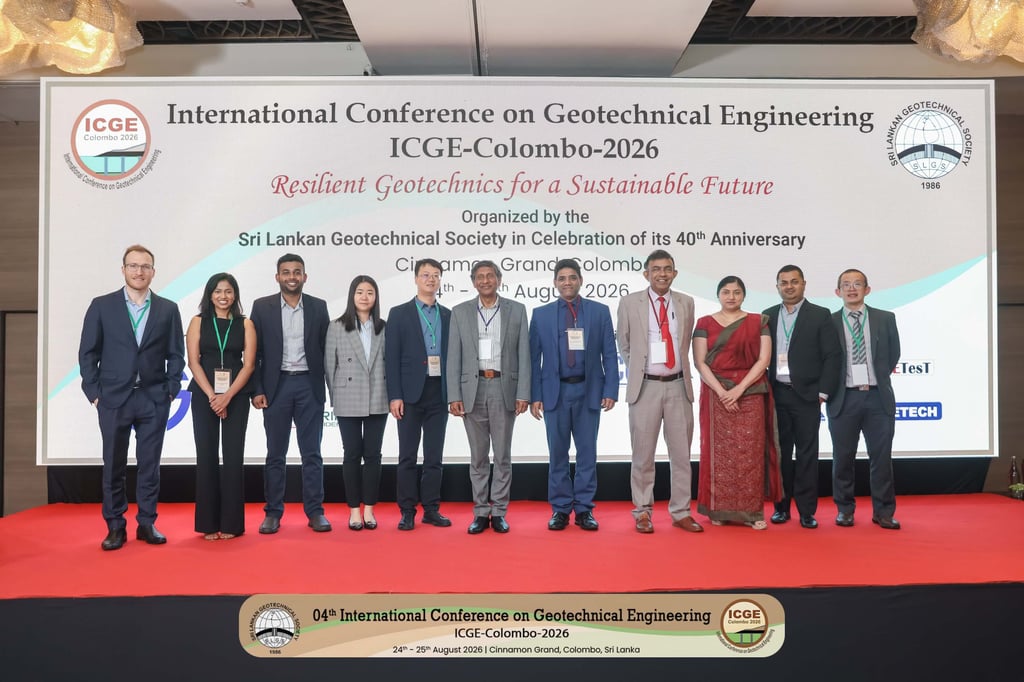
Transport Research Centre showcases sustainable transport geotechnics at ICGE-Colombo 2026
The UTS Transport Research Centre played a prominent role at the 4th International Conference on Geotechnical Engineering-Colombo, held on 24–25 August 2026 at...
News
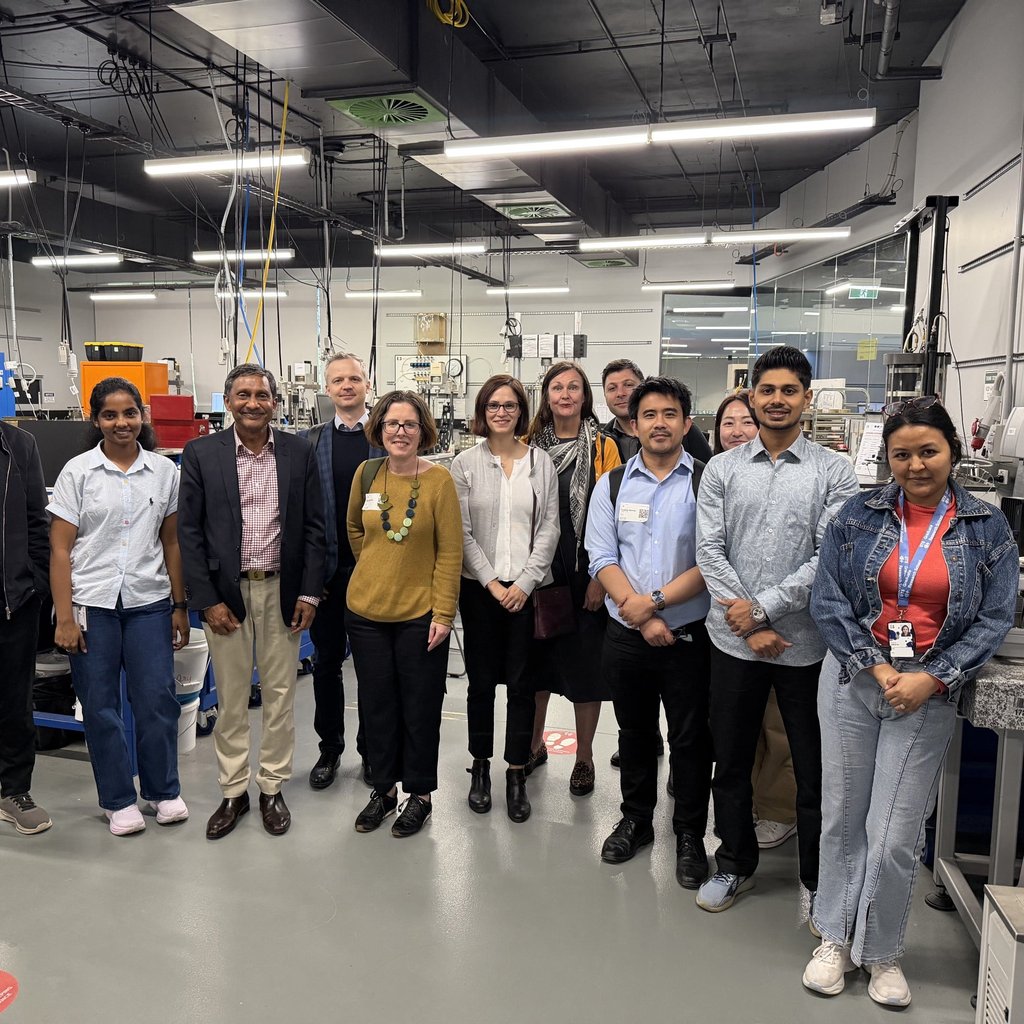
Transport for NSW delegations visit UTS Tech Lab to advance research collaboration
The UTS Transport Research Centre (TRC) welcomed two delegations from Transport for NSW (TfNSW) to UTS Tech Lab on 30 July and 9 September 2026.

News
UTS Transport Research Centre received prestigious international engineering award
The UTS Transport Research Centre (TRC) team has been honoured with the 2026 Donald R. Stanley Award by the Canadian Society for Civil Engineering (CSCE).
News
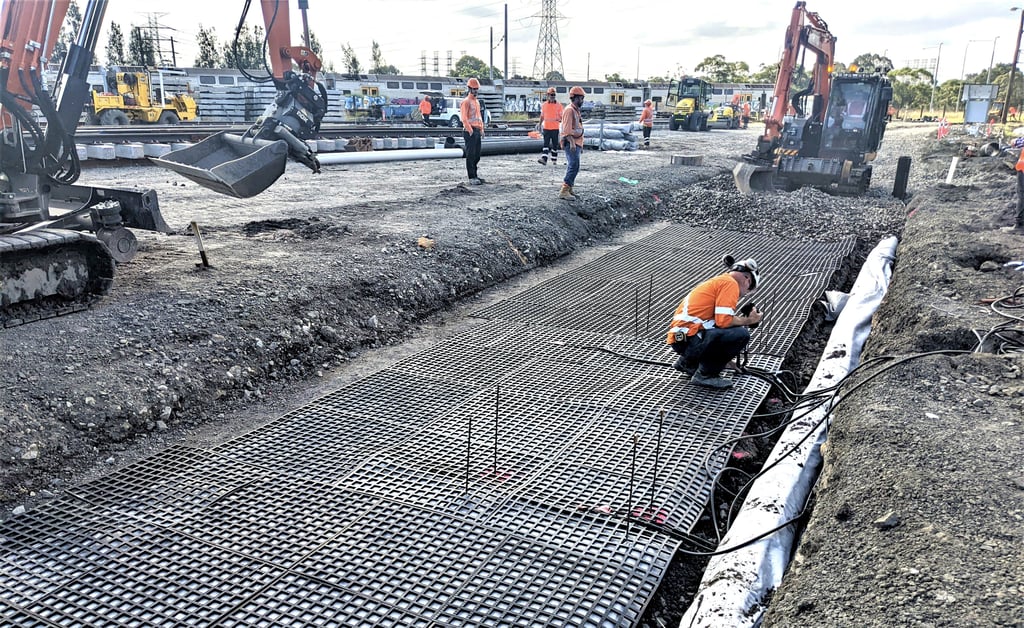
Recycled tyre tech boosts railway resilience and cuts waste
New research has shown that a world-first system of rubber shock absorbers made from recycled tyres can significantly protect railway tracks from damage,...
News
Transport Research Centre showcases sustainable transport geotechnics at ICGE-Colombo 2026
The UTS Transport Research Centre played a prominent role at the 4th International Conference on Geotechnical Engineering-Colombo, held on 24–25 August 2026 at...
News
Transport for NSW delegations visit UTS Tech Lab to advance research collaboration
The UTS Transport Research Centre (TRC) welcomed two delegations from Transport for NSW (TfNSW) to UTS Tech Lab on 30 July and 9 September 2026.
News
UTS Transport Research Centre received prestigious international engineering award
The UTS Transport Research Centre (TRC) team has been honoured with the 2026 Donald R. Stanley Award by the Canadian Society for Civil Engineering (CSCE).
News
Recycled tyre tech boosts railway resilience and cuts waste
New research has shown that a world-first system of rubber shock absorbers made from recycled tyres can significantly protect railway tracks from damage,...