


When Leon arrived at UTS, he didn't have a detailed career plan. Instead, he saw university as a chance to explore, meet new people and find out where his interests might take him.
Before moving to Sydney, Voo (Leon) Hong Yi spent two years as a sergeant and medical trainer in the Singapore Armed Forces, where he discovered a love of teaching and mentoring others.
During a gap year, he worked at a sourdough bakery, where a chance conversation with a UTS graduate introduced him to the university's flexible approach to business study. The ability to explore different disciplines before choosing a major appealed to him, and he soon found himself on a plane to Australia.
Less than two years later, the Bachelor of Business (Marketing) student has pitched an AI-powered app to an Apple vice president, helped deliver Youth Week through the City of Sydney's Youth Opportunities Program, secured a marketing internship and become a mentor to first-year students.
On weekends, he also works as a barista. And he's still only in his second year.
“I've done a wide variety of things – more than I expected,” he says.
“It has really helped me grow as a person.”
One 'yes' at a time
So how did he end up fitting so much into his university experience? For Leon, much of it has come down to being willing to give things a go – even when he's not sure he's ready.
“These thoughts – that someone else might be better, or that you're not ready – they hold you back,” he says.
“They stop you from making the most of university life.”
One of the first opportunities he took a chance on came through a UTS SOUL email about the City of Sydney's Youth Opportunities Program, a year-long initiative that invites young people aged 18-24 to help shape the future of Sydney.
Leon didn't overthink it. He applied and was accepted.
Over the following months, he took part in forums on housing, infrastructure, education and youth opportunity, surrounded by motivated young people with different perspectives and ideas.
The experience eventually led to Youth Week, where his group planned a city-wide scavenger hunt designed to bring young people together. Leon worked on event logistics and marketing, helping promote the event through posters and student outreach.
“At the end of the event, no one wanted to leave,” he shares.
“People stayed and talked. People who had just met were connecting. We had created something real and we could see the results of our work unfold right away.”
An app, a pitch and an Apple VP
Leon soon had another chance to test himself outside his comfort zone. When he heard about the Apple Foundation Program – a competitive workshop that brings together 30 UTS students each semester to design, build and pitch a real app – he put his hand up.
His team of cross-disciplinary students focused on nutrition literacy and the idea that people can become less aware of what they're eating as they age. Their solution was an app that could scan a plate of food using a phone camera and instantly generate a personalised audio explanation of its nutritional content.
There was just one problem: not a single person on the team could code.
“We had to fumble our way through tutorials and figure out how to get reliable code from AI and how to troubleshoot,” Leon says.
After a week of late nights and trial and error, they built a working product.
On pitch day, they placed a plate of fried rice and salad on the table and invited visitors to scan the food. Within about a minute, the app generated a personalised audio explanation of the meal's nutritional content.
“I was fully expecting to demo a fake product,” he shares. “When it actually worked, we were all shocked.”
Two teams were selected to pitch directly to a visiting Apple vice president, and Leon's team was one of them. When she reached their table, she stayed longer than scheduled, exploring the app and asking questions.
“She even said, ‘I would love to see this in action one day.’ To hear her say that was the best possible feedback,” Leon says.
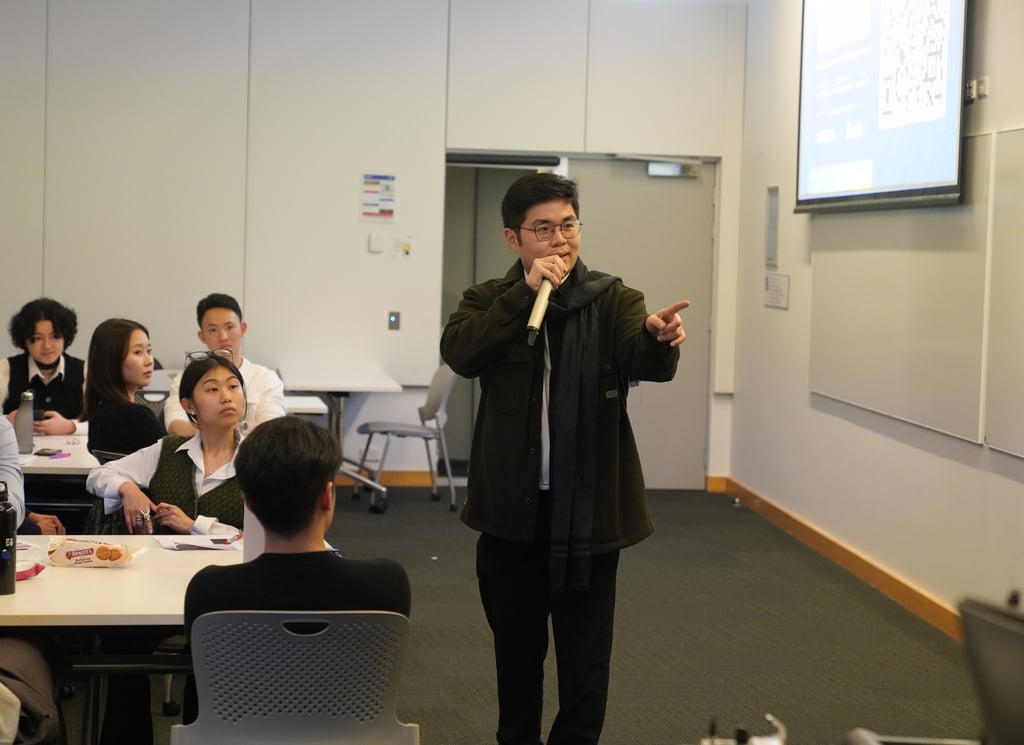
These thoughts – that someone else might be better, or that you're not ready – they hold you back.
From the classroom to the workplace
Outside the classroom, saying yes was opening Leon up to new people and experiences. Inside it, he was beginning to discover where his interests might lead.
A group project in his Consumer Behaviour subject, taught by Dr Adrian Camilleri, gave him the chance to explore marketing in a different way. Leon's group chose Tesla as their client. They were given near-total creative freedom: no budget ceiling, no fixed audience, just an open brief and a deadline.
What followed was a month of late nights and research that went well beyond the course material.
“The project challenged us to think strategically. It combined graphic design, human psychology, innovation and creativity,” he says.
“We were looking up articles, looking at previous campaigns, what succeeded and what didn't. I learned a lot about Tesla and a lot about marketing during the subject.”
It was knowledge Leon soon found himself putting into practice.
“I'm a step ahead in my internship because of this subject,” he says.
Two days a week, Leon works in a marketing internship across creative, editorial, social media, data analysis and strategy. The work is fast paced, varied and collaborative.
His first client was a leading cruise company. Working alongside a global strategist, he supported an influencer campaign and contributed to the brand's editorial direction.
The experience has given Leon an even clearer sense that marketing is where he wants to be.
“If I was ever given the opportunity for a full-time role in an agency, I would jump at it so fast it would make my head spin,” he says.
“I have never learned more in such a short time.”
Helping others find their feet
As Leon has found his own direction at university, he's also started helping other students find theirs.
That instinct isn't new. During his time as a medical trainer in Singapore, he discovered how much he enjoyed teaching others. Rather than relying solely on authority, he built relationships through encouragement, patience and genuine care for his students.
“The students loved it and I've carried that with me to Sydney,” he says.
At UTS, he's continued that through mentoring first-year students in the Accounting and Accountability subject. Leon was inspired by subject coordinator Associate Professor Amanda White, whose supportive teaching style left a lasting impression.
“She knew students by name and created an environment where learning felt meaningful and personal,” he says.
For his first class as a mentor, a late Thursday evening session, Leon arrived with bags of chocolates, handing them out to students who answered questions or simply had the confidence to ask one.
Since then, he has expanded his mentoring across two subjects.
“Teaching is a privilege,” he says. “Helping shape how people learn is something really special.”
He's also returned to the UTS Consulting Club, where he previously worked with a student team to develop a growth strategy for a startup mapping wheelchair-accessible locations across Australia. This time, he's helping the next group of students make the most of the experience.

What comes next
Less than two years after arriving at UTS without a detailed career plan, Leon has a much clearer sense of where he wants to go.
He hopes to build a career in marketing, where he can continue learning about people, their goals and ideas, and help connect them with the right audience.
“With every business that you work with, you are learning about people and their dreams and their goals,” he says.
“And you are the one to help them execute it.”
But Leon's university experience has also taught him that he doesn't need to have every step mapped out. His advice to students starting out reflects the approach he's taken himself: say yes before you feel ready, invest in the people around you and make the most of every opportunity.
“Have a life outside of academics too: meet new people, have fun, engage with new cultures. It all plays a part in becoming who you are.”
Explore
Webpage
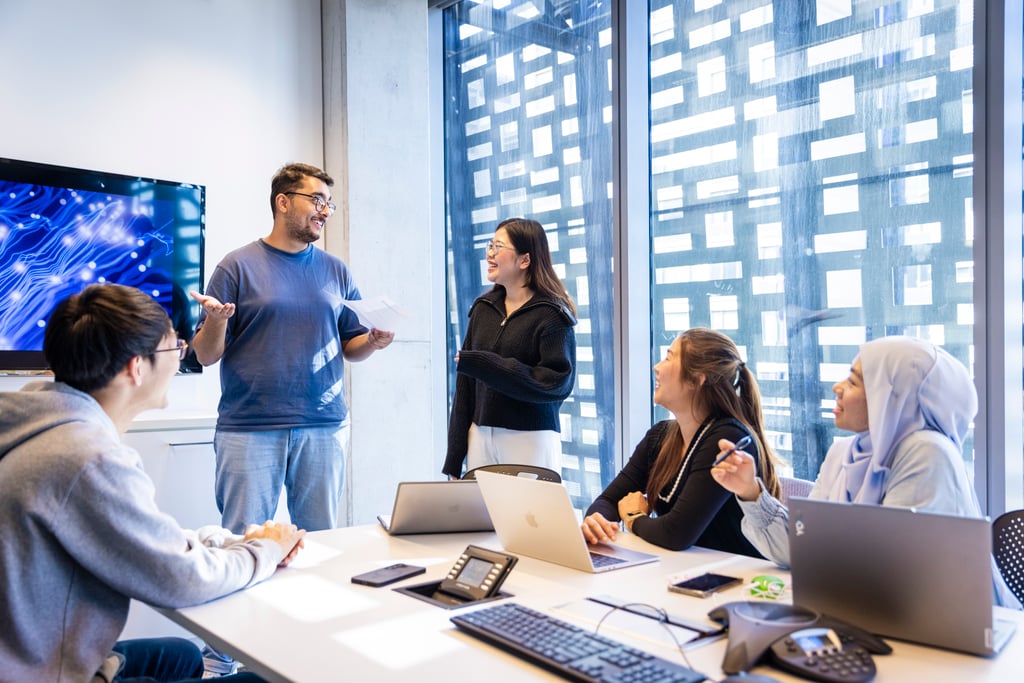
Why communication matters and simple ways to get better at it
Want your ideas to make an impact? Dr Joshua Pate reveals why communication is key and how to get better at it.
Webpage
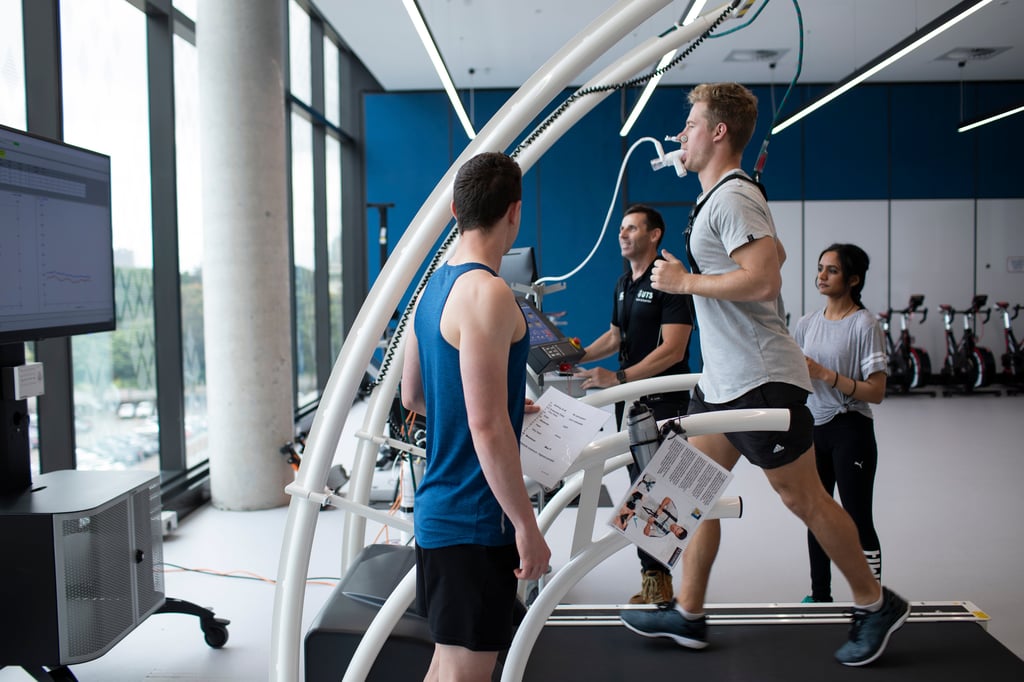
What it’s really like to be a sports scientist
Associate Professor Blake McLean shares what sports scientists do, where they work and the skills it takes to help athletes perform at their best.

Webpage
How to study like an elite athlete
Associate Professor Blake McLean, sports scientist and Director of the High Performance Sport program at UTS, shares five lessons students can learn from elite...
Webpage
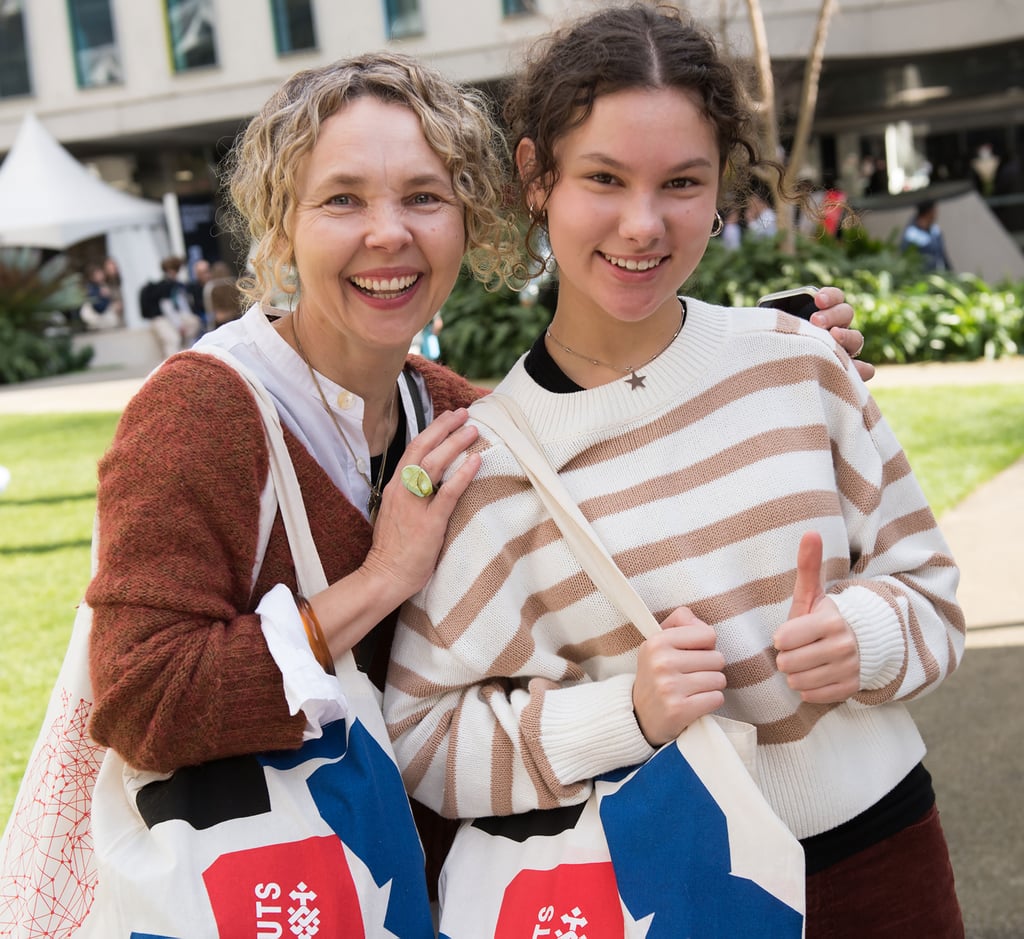
What uni students wish their parents knew before they started university
Hear from three students as they reflect on the support that mattered most.
Webpage
Why communication matters and simple ways to get better at it
Want your ideas to make an impact? Dr Joshua Pate reveals why communication is key and how to get better at it.
Webpage
What it’s really like to be a sports scientist
Associate Professor Blake McLean shares what sports scientists do, where they work and the skills it takes to help athletes perform at their best.
Webpage
How to study like an elite athlete
Associate Professor Blake McLean, sports scientist and Director of the High Performance Sport program at UTS, shares five lessons students can learn from elite...
Webpage
What uni students wish their parents knew before they started university
Hear from three students as they reflect on the support that mattered most.