


Timeframe
-
2022 to 2025
Lead Researchers
-
Anne Summers, UTS
-
Thomas Shortridge, UTS
-
Kristen Sobeck, ANU
SDGs
-
1. No Poverty
-
10. Reduced Inequalities
-
5. Gender Equality
- Posted on 15 Aug 2025
Professor Anne Summers’ research into the impacts of domestic violence aims to support and inform the development of policies and strategies to significantly improve the lives of women and break the cycle of systemic disadvantage for future generations of Australian families.
Globally, domestic violence will impact one in three women in their lifetime. On top of the physical, emotional and psychological damage done to them by domestic violence, there is an immense economic cost to their access to employment and education. Significant gaps remain in policy across government and universities to address the needs of women who have experienced domestic violence.
In 2022, Professor Anne Summers released a report, The Choice: Violence or Poverty. This report published never before seen data from the 2016 Personal Safety Survey that showed that a majority (60%) of single mothers in Australia were victims of domestic violence and that half of these women were reliant on government benefits as their main source of income. This groundbreaking report prompted the federal government to make much-needed policy changes to payments for single mothers, allowing mothers to remain on the Parenting Payment Single until their youngest child was 14 (as opposed to 8) rather than being forced onto the lower paying JobSeeker payment.
Using the same economic view of domestic violence, Professor Summers, in collaboration with Kristen Sobeck (ANU) and Thomas Shortridge (UTS) has published a second report, The Cost of Domestic Violence to Women’s Employment and Education. This report brings together four different data sources to reveal how domestic violence reduces women’s employment and undermines their education. It shows, for the first time, that there is an ‘employment gap’ and an ‘education gap’ between women who have experienced domestic violence and women who have not. These gaps have long-term consequences for the financial security of these victim-survivors of domestic violence. The report asks for workplaces and university to better support the needs of their female employees and students who are experiencing or have experienced domestic violence.
Researchers

Adjunct Professor, Business School
Thomas Shortridge, Policy And Research Project Manager, UTS Business School
Kristen Sobeck, Research Fellow, Tax and Transfer Policy Institute, ANU Crawford School of Public Policy

Webpage
Bioengineering Protein Nanocages into Multi-target Vaccines for Alzheimer’s Disease
Alzheimer's disease (AD) is characterised by the clumping of abnormal proteins in the brain, which increases over time and leads to worsening cognitive...
Webpage
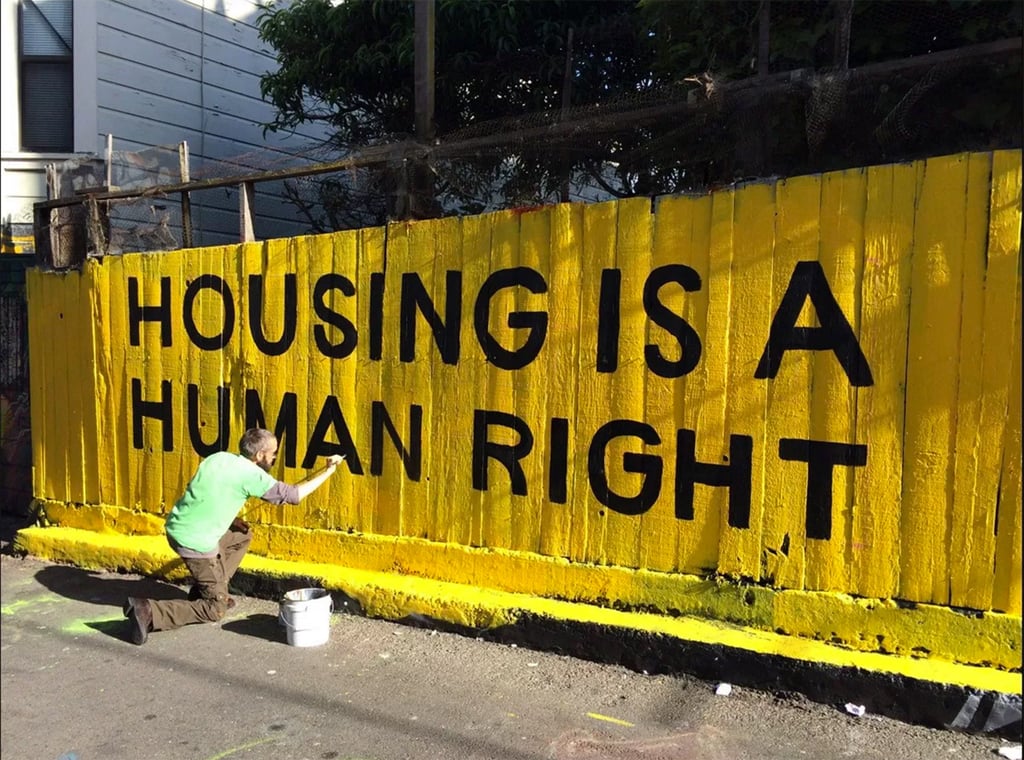
The Right to Housing in Australia
Housing is increasingly unaffordable, and inequality in housing is growing. The human right to housing offers a response to this crisis that centres human...

Webpage
Thrive project: Helping all young Australians finish school well
Completing high school well is a critical milestone that shapes young people’s future opportunities. Yet many students, particularly those facing social,...
Webpage
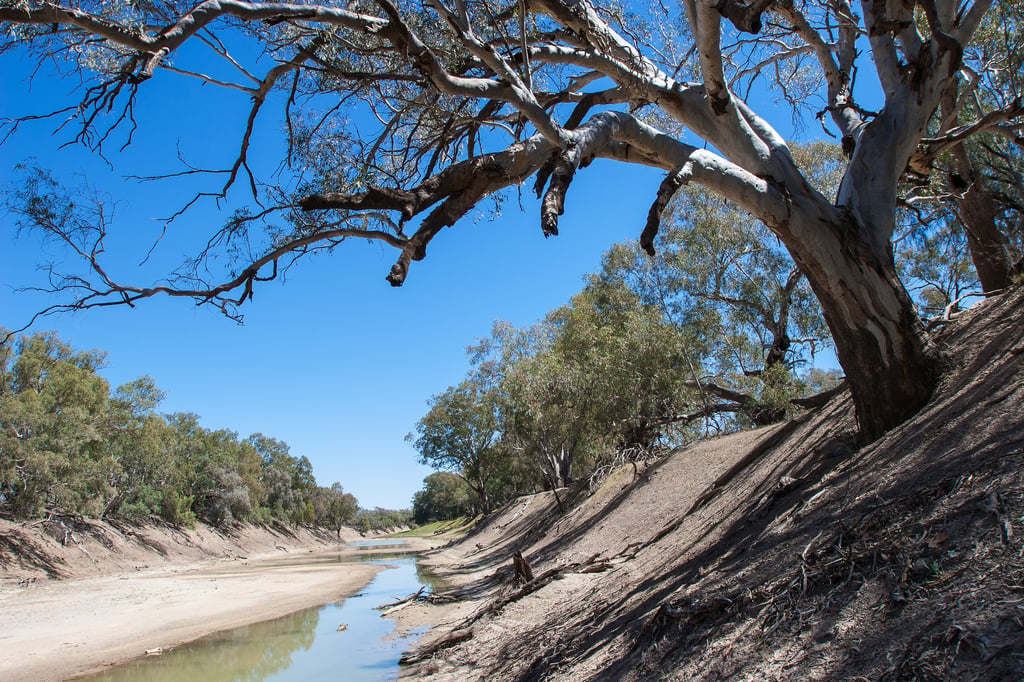
Can the Darling River System survive both climate change and mismanagement?
Water levels in the Darling River are notoriously irregular but decreasing rapidly. Darling River water is critical for the Murray-Darling Basin and in recent...
Webpage
Bioengineering Protein Nanocages into Multi-target Vaccines for Alzheimer’s Disease
Alzheimer's disease (AD) is characterised by the clumping of abnormal proteins in the brain, which increases over time and leads to worsening cognitive...
Webpage
The Right to Housing in Australia
Housing is increasingly unaffordable, and inequality in housing is growing. The human right to housing offers a response to this crisis that centres human...
Webpage
Thrive project: Helping all young Australians finish school well
Completing high school well is a critical milestone that shapes young people’s future opportunities. Yet many students, particularly those facing social,...
Webpage
Can the Darling River System survive both climate change and mismanagement?
Water levels in the Darling River are notoriously irregular but decreasing rapidly. Darling River water is critical for the Murray-Darling Basin and in recent...