


- Posted on 10 Jul 2025
- UTS Rapido case study
- 6 minute read
The rapid 3D printing of surgical implants that precisely fit individual patients is a step closer with new software to help with their design and manufacture.
A research collaboration between global medical technology leader Stryker, UTS Rapido and the Digital Health Cooperative Research Centre has developed a digital platform to streamline the design of patient-specific surgical solutions using 3D printing.
Previous research indicated that surgical implants designed and manufactured to precisely fit an individual’s anatomy can reduce operation times and improve patient outcomes.
However, the design of personalised surgical products is a complex and time-consuming process involving highly skilled personnel and detailed surgeon input.

"This project makes an important contribution to the increased personalisation of patient-specific healthcare, where tools and treatments are individualised to achieve optimised outcomes for each patient.
By empowering surgeons and users with digital tools for design and planning, we can reduce the time to surgery and improve overall patient care. This is a key step toward more agile solutions in healthcare."
The project developed an automated software platform for virtual surgical planning, enabling users to easily design surgical models, implants, and bone cutting guides for 3D printing. This reduces the burden on highly specialised overseas design personnel and accelerates access to treatment for patients.
“This project tackled a real-world challenge in surgical workflows,” said Hervé Harvard, Founding Executive Director of UTS Rapido and Head of Research Translation and Impact at UTS.
Innovation delivered
UTS Rapido has demonstrated its expertise in 3D geometry processing, creating precise 3D computer models of real objects using a combination of applied mathematics, computer science and engineering.
The project developed an automated software platform to streamline virtual surgical planning, enabling users to easily design patient-specific implants, and bone cutting guides for 3D printing.
Using 3D geometry processing and printing techniques, this solution reduces the burden on highly specialised overseas design personnel, and accelerates access to treatment for patients.
Key 3D geometry processing activities
- Built a fully automated workflow that processes noisy CT scans into high quality 3D models.
- Computed vector fields and centre-line paths optimised using surgeon-informed anatomical and mechanical criteria.
- Simulated with collision-aware algorithms and anatomical fit constraints.
- Developed real-time editing tools to allow minor adjustments by clinicians, supported by visual alerts and safety threshold indicators.
- Generated print-ready models and resin guides to optimise the surgical workflow.
Project impact
Stryker now has a validated software platform to help plan and shape stock implants with greater precision and in significantly less time. The solution supports better surgical outcomes, improves workflow efficiency, and helps move the industry closer to personalised, on-demand implants.
The rapid 3D printing of surgical implants that precisely fit individual patients is a step closer with new software to help with their design and manufacture. The current findings and future iterations of this work have the potential for significant international impact.
The project also enabled Stryker to leverage matched funding through the Digital Health CRC.
About the partners
Stryker is a global leader in medical technologies and, together with its customers, is driven to make healthcare better. Stryker offers innovative products and services in Medical and Surgical, Neurotechnology and Orthopaedics that help improve patient and healthcare outcomes. Alongside its customers around the world, Stryker impacts more than 150 million patients annually. More: stryker.com
UTS Rapido is an applied R&D innovation hub that partners with industry, government and academia to solve real-world engineering and technology challenges. It brings together a team of commercially focused professionals working across software engineering, UX and digital, mechatronics, and research translation. More: rapido.uts.edu.au
Digital Health CRC connects government, academia, and industry to accelerate evidence-based digital health innovations through Australia’s Cooperative Research Centres (CRC) Program. More: digitalhealthcrc.com
EXPLORE
Client: Stryker
Industry: Health
Funding Partner: Digital Health CRC
Find out more about UTS Rapido
UTS Rapido: an applied R&D innovation hub that partners with industry, government and academia. Email rapido@uts.edu.au
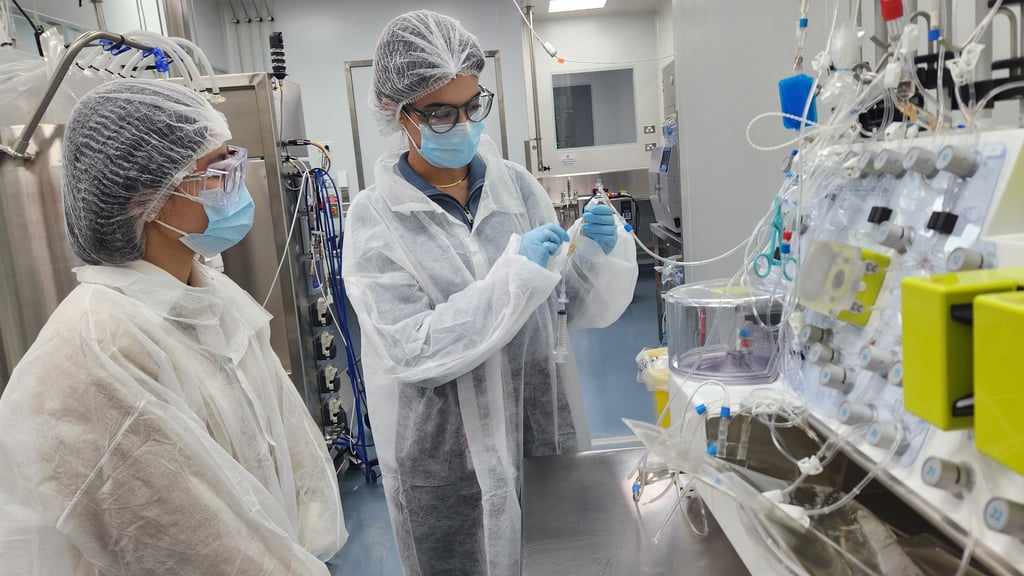
Biotech start-up takes leap to regenerate Alzheimer’s damage
Australian biotechnology start-up Skin2Neuron found the perfect scientific and manufacturing partner to help their breakthrough cell-based treatment take root.
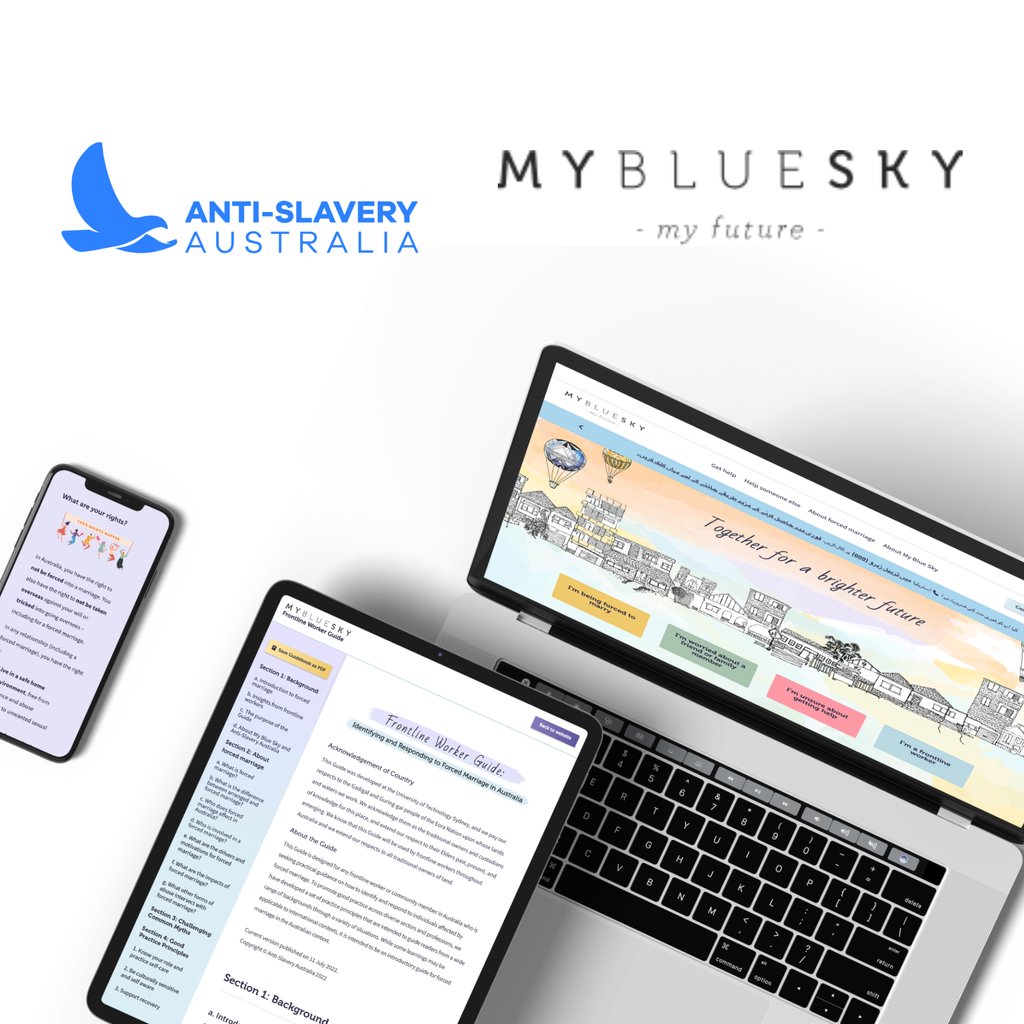
My Blue Sky
Anti-Slavery Australia, a specialist legal and research centre within the UTS Faculty of Law, has run My Blue Sky, Australia's national forced marriage support...

Mineral Technologies
Mineral Technologies partnered with UTS Rapido to overcome production challenges in manufacturing gravity spiral separators. Using advanced 3D printing, they...

Quokka Quantum
UTS Rapido software and mechatronics teams assisted UTS academics Christopher Ferrie and Simon Devitt on the early prototype that paved the way to the first...
Biotech start-up takes leap to regenerate Alzheimer’s damage
Australian biotechnology start-up Skin2Neuron found the perfect scientific and manufacturing partner to help their breakthrough cell-based treatment take root.
My Blue Sky
Anti-Slavery Australia, a specialist legal and research centre within the UTS Faculty of Law, has run My Blue Sky, Australia's national forced marriage support...
Mineral Technologies
Mineral Technologies partnered with UTS Rapido to overcome production challenges in manufacturing gravity spiral separators. Using advanced 3D printing, they...
Quokka Quantum
UTS Rapido software and mechatronics teams assisted UTS academics Christopher Ferrie and Simon Devitt on the early prototype that paved the way to the first...