Our society faces a climate emergency. UTS believes climate change requires urgent and transformative action.
Inspired by the 2019 Global Climate Strike, UTS signed a climate declaration, pledging to take greater climate action.
UTS aims to commit more resources to climate change research and skills creation, and increase sustainability education across our curriculum, campus and community programs. By continuing to bring communities, industry and government together to debate the contested themes around the climate emergency, we can argue the need for a climate consensus and work towards carbon neutrality on campus.
UTS4Climate highlights what we have done since then, and how we continue to take action to inspire a positive change in course for Australia’s future.
#uts4climate
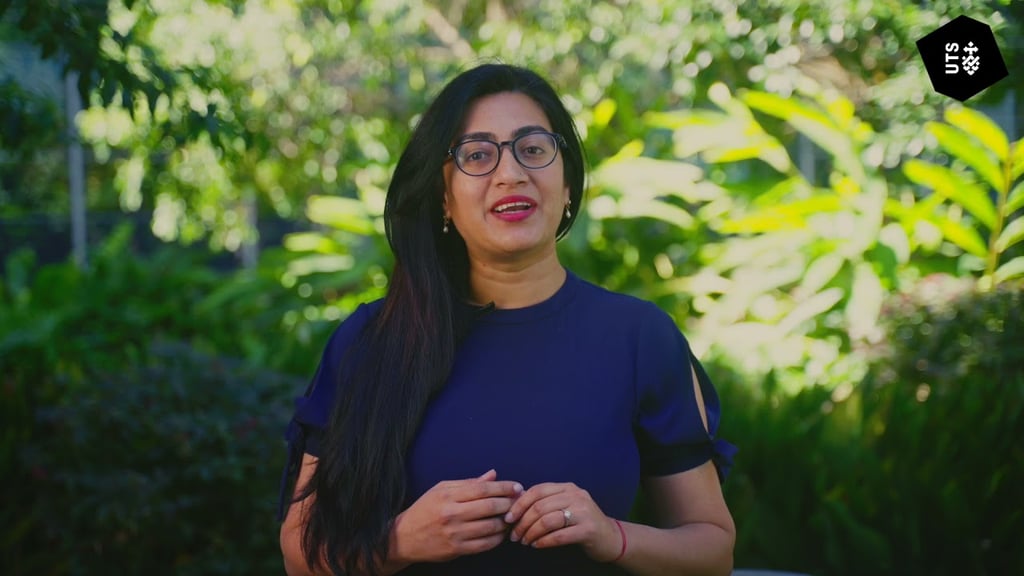
UTS4Climate podcast
UTS4Climate five-part podcast series created a space to explore climate change from all angles, and to find practical answers to what we can actually do to address the climate crisis.
Projects and initiatives

Cementing a low-carbon future in place
Concrete manufacturing is unlikely to be most people’s first thought when they ponder society’s progress towards net zero carbon emissions.
Developing the future energy workforce
Recognising that the energy workforce is critical to Australia's clean energy transition, ISF joined with the Energy Efficiency Council, Monash University,...
When coal mines close, what happens to the workers?
NSW’s biggest coal mine to close in 2030. Now what about the workers?
Algae tech takes the lead in climate fight
UTS has celebrated World Algae Day by highlighting two cutting-edge technologies that promise the next-generation of carbon capture.
ISF at COP27
ISF will share research in WASH and pathways to net zero at the UN event in 2023.
Algae cures popular brewer’s carbon hangover
Alongside the stainless steel brewing tanks at Young Henrys in the inner-west Sydney suburb of Newtown is another kind of vat – a green-glowing, 400-litre...
UTS Central scores 5 Star sustainability rating
It’s not easy being green when you’re 17 levels high and made of glass, like UTS Central (Building 2). Yet, despite the sustainability challenges presented by...
Astute analysis and advocacy pave the way for ATN emission cuts
As 2021 drew to a close, there were some reasons to be optimistic about the world’s efforts to tackle climate change.
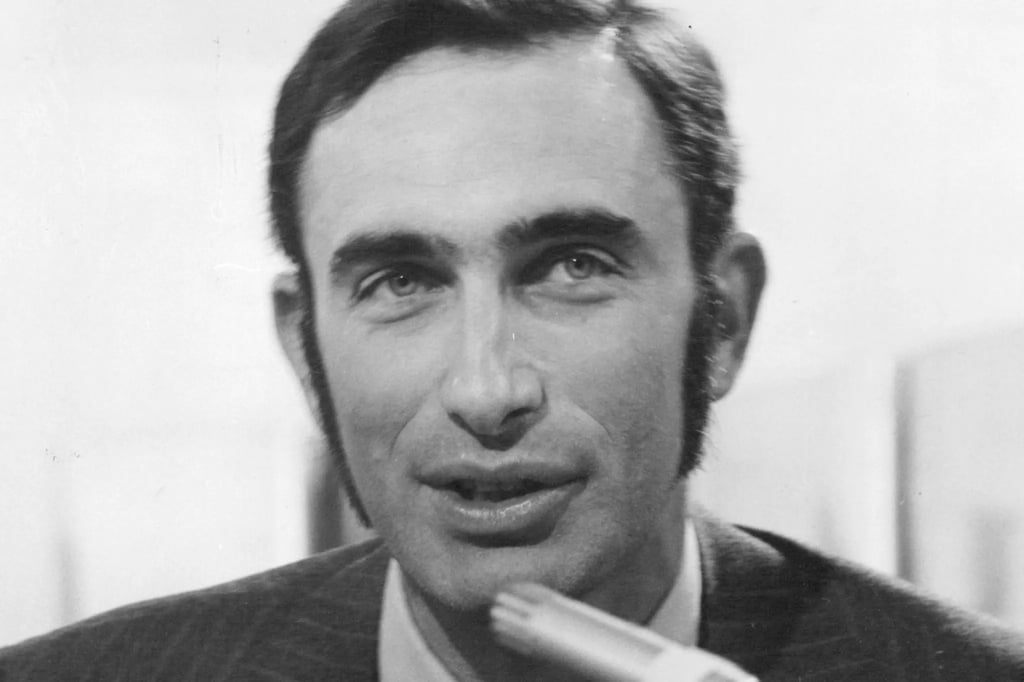
‘Everybody’s scared’: The first mention in Australian media of global warming could only gesture to the future
UTS Professor of Business and Climate Bob Carr recalls scientist Paul Elrich's warning about climate change from 50 years ago.
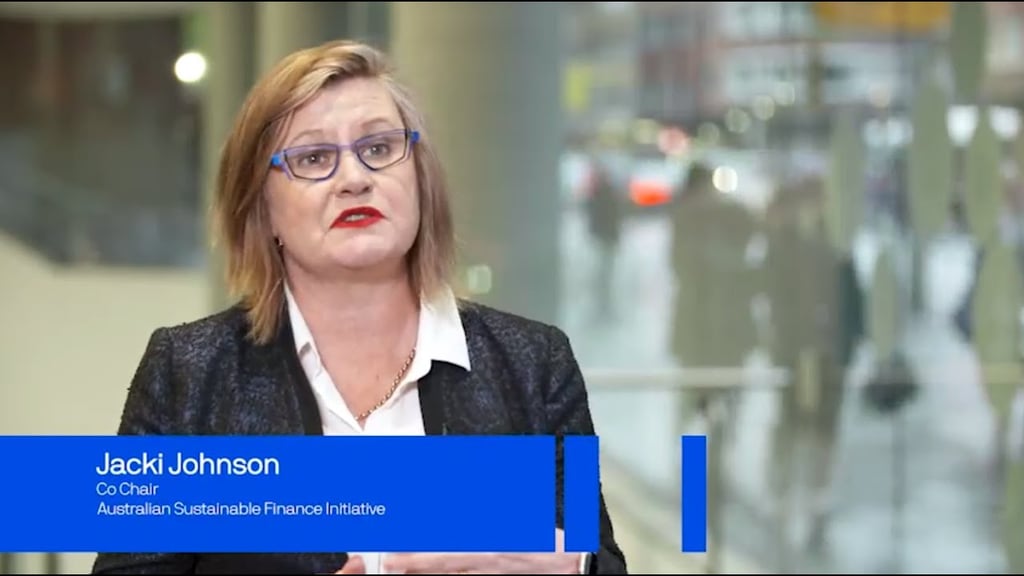
The big questions
Four experts share their answers to the ‘big questions’ about climate change.
Joe Biden signs executive order for U.S. to rejoin Paris Climate Agreement
On ABC Radio, Bob Carr comments on the US President's reversal of Donald Trump's motion to leave the Paris Climate Agreement.
‘Everybody’s scared’: The first mention in Australian media of global warming could only gesture to the future
UTS Professor of Business and Climate Bob Carr recalls scientist Paul Elrich's warning about climate change from 50 years ago.
The big questions
Four experts share their answers to the ‘big questions’ about climate change.
Joe Biden signs executive order for U.S. to rejoin Paris Climate Agreement
On ABC Radio, Bob Carr comments on the US President's reversal of Donald Trump's motion to leave the Paris Climate Agreement.
UTS research centres and affiliates

Institute for Sustainable Futures
ISF brings together expertise from a diverse range of disciplines to deliver practical solutions for our partners, and to empower our students to effect...

Climate Change Cluster
The Climate Change Cluster (C3) provides a deeper understanding of the world’s aquatic plant and microbe ecosystems that are critical to the wellbeing of the...

Climate, Society and Environment Research Centre (C-SERC)
Contributing to understanding and shaping transformations in the way societies interact with energy, technology and the living environment.