


As an international student, you'll need a student visa to study in Australia.
UTS is here to help you understand the application process – that’s why we’ve put together this useful guide to getting an Australian student visa.
Documents you'll need before you apply
-
1
Confirmation of Enrolment (CoE)
Once you’ve accepted your offer to study at UTS, you’ll receive a Confirmation of Enrolment (CoE).
This is an official document that confirms:
- your enrolment in a registered course
- your course start and end dates
- your tuition fees.
You must include your CoE in your visa application, as it verifies that you have been accepted into a full-time course in Australia. Find out more about getting a CoE below.
-
2
Proof of language proficiency
You may have to demonstrate your English language skills by submitting your test scores to the Department of Home Affairs. To see if this applies to you, view the English language requirements section of the visa eligibility page (external link).
-
3
Proof of financial support
To be granted a student visa, you must demonstrate that you have sufficient funds to support yourself while studying in Australia.
You’ll need to show evidence that you can cover:
- tuition fees
- living expenses (typically at least 12 months)
- travel costs to and from Australia.
The exact amount required can vary depending on your personal circumstances and visa requirements set by the Australian Government. For more information, see the 'gather your documents' section on the step-by-step instructions provided by the Department of Home Affairs (external link).
-
4
Genuine Student (GS) requirement
Your visa application will include a few questions to prove you’re genuinely coming to Australia to study.
It’s a good idea to read the questions that will be asked on the online student visa application form (external link) and prepare any supporting documents ahead of time.
-
5
Health requirement
Before you travel to Australia, you need to demonstrate you’re in good health by getting a health examination (external link) at an approved clinic.
-
6
Health insurance
As an international student, you need to buy and maintain health insurance, known as Overseas Student Health Cover (OSHC), for the entire time you’re here.
-
7
Additional requirements for students under 18
If you are under 18 years of age when you start your course, you must have appropriate accommodation and welfare arrangements in place for your visa application to be approved. Please review the information for international students under 18 years to understand the requirements for minors.
-
8
What's next?
Use the document checklist tool (external link) to see if you need any other documents. If not, then you're ready to apply!
How to apply for your student visa
All student visa applications are processed by the Department of Home Affairs. Carefully read their step-by-step instructions (external link) on how to apply.
The Department of Home Affairs has also published a guide to submitting an application (external link), which includes tips on how to prevent delays.
We encourage you to submit your visa application at least 8 to 12 weeks before your course starts. Applying later than this means visa processing times may affect your ability to enrol and start your degree on time. For an estimate on processing times, please refer to the processing times guide (external link).
After you apply
After you apply, remember to monitor your application! If you have applied online, you can use your ImmiAccount (external link) to track messages and status updates, amend details, or withdraw your application. The DHA will contact you directly if health checks or extra documents are needed.
Make sure to:
- check your ImmiAccount and email regularly
- respond quickly to any DHA requests.
Once your visa application has been processed, the DHA will let you know their outcome in writing. They will tell you:
- your visa grant number
- the date your visa expires
- your visa conditions.
Once your visa has been granted, follow the steps as outlined by the Department of Home Affairs (external link).
Your visa options
For students coming to Australia to study, the most common visa is the Student visa (subclass 500). For students under 18, a parent or relative may choose to apply for the Student Guardian visa (subclass 590).
After completing studies in Australia, eligible students can apply for a Temporary Graduate visa (subclass 485) to live and work in Australia.
Confirmation of Enrolment
So, what exactly is a Confirmation of Enrolment (CoE)?
A CoE is an official document provided by UTS that you can use to prove that you’re enrolled in your course.
Your CoE will include:
- your name
- your date of birth
- the name of your course
- the name of your course provider (UTS)
- your course start and end dates
- your tuition fees.
For coursework applicants
If you're applying for a coursework program and you don't have your CoE yet, make sure you’ve completed the steps below.
- Choose and apply for your UTS course.
- If your application is successful, we’ll send you a letter of offer.
- Accept your offer and pay your first tuition fee by the deadline.
When you've completed these steps, we'll send you a CoE. You can request a copy of your CoE from the International Student Centre (internationalstudent@uts.edu.au).
For study abroad and exchange applicants
If you're applying for a study abroad or exchange program and you don't have your CoE yet, make sure that you have followed the application steps correctly. The process differs from the coursework application process. CoEs for study abroad or exchange students are usually issued around 2 months before session starts. If you have any urgent requests relating to your CoE please contact studyabroad.exchange@uts.edu.au.
Haven't applied to UTS yet?

Coursework programs
I'm interested in a doing a full undergraduate or postgraduate coursework program at UTS in Sydney. This includes degrees, diplomas and certificates.

Study abroad and exchange programs
I'm interested in studying at UTS for one or two semesters through a study abroad or exchange program.
Research degrees
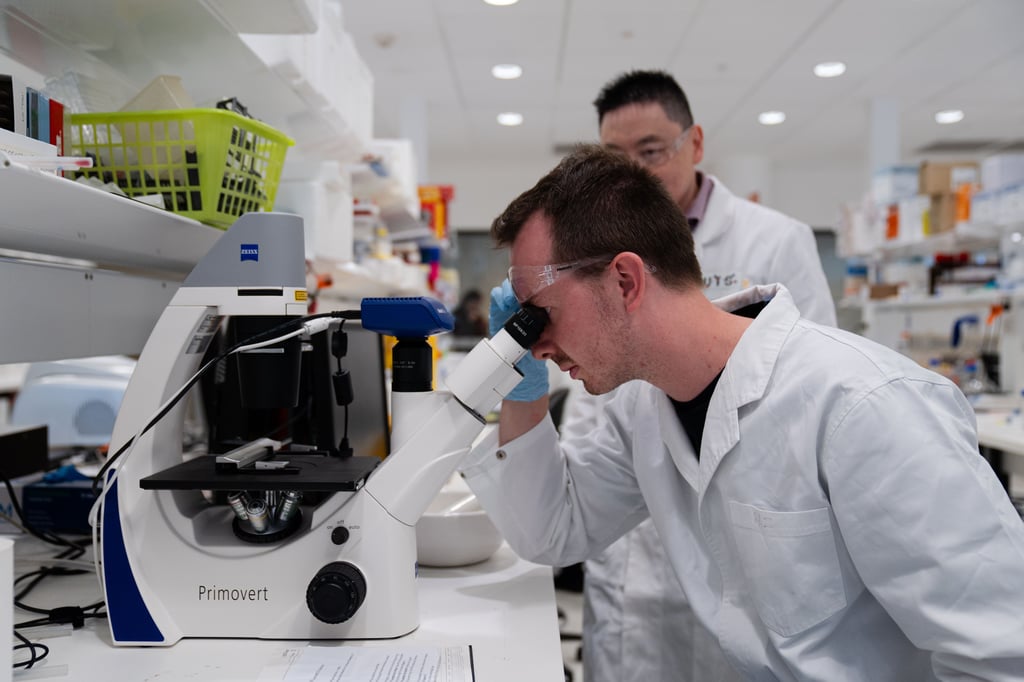
I'm interested in a Master's by Research or PhD.

I need some help!
It's okay to feel overwhelmed by the application process. UTS has approved agents around the world who can help you apply for your visa.
Visa conditions
Your student visa has a range of conditions. These are rules you need to follow while you’re in Australia.
If you break these rules, your visa could be revoked, and you might find it hard to get another visa to Australia in the future.
Here are some of the key student visa conditions you should know. You can find more information on visa conditions on the Department of Home Affairs website (external link).
Visa FAQs

Contact us
- Call: +61 2 8806 0230
- Email (study abroad and exchange): studyabroad.exchange@uts.edu.au
- Email (all other students): international@uts.edu.au
- Whatsapp: +61 489 089 375 (messages only)
- Make an enquiry through our online form
- Find an approved agent in your country
Information on this page is correct as of the date of publication but may change over time.