


Improving Palliative, Aged and Chronic Care through Clinical Research and Translation (IMPACCT) focuses on interdisciplinary collaborative research optimising the health and wellbeing of individuals living with life-limiting illnesses and their families.

Director’s welcome
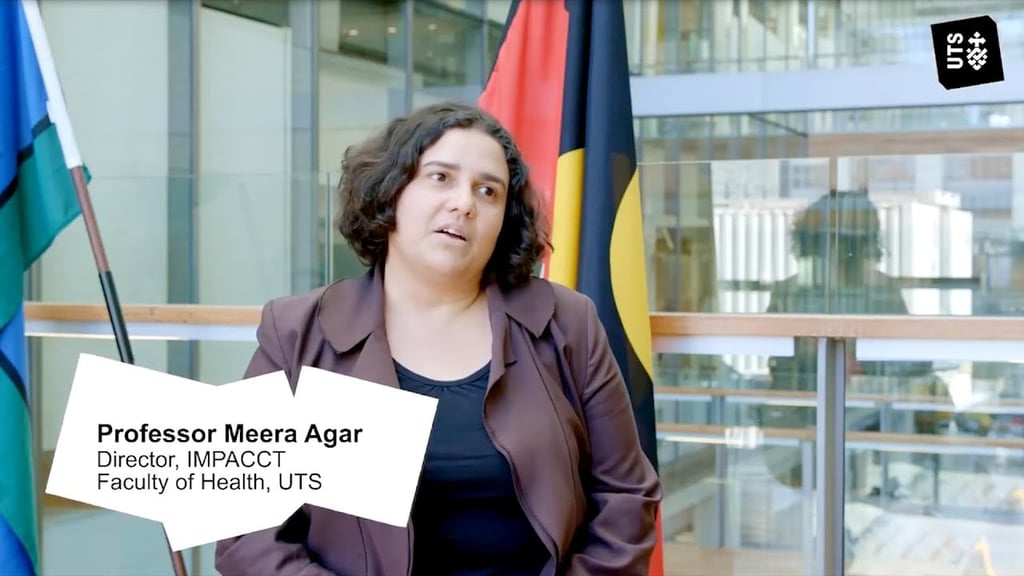
Welcome to the Centre for Improving Palliative, Aged and Chronic Care through Clinical Research and Translation (IMPACCT) at the Faculty of Health.
Our academics and research staff take a transdisciplinary approach focused on improving quality and equitable access to care that improves quality of life and outcomes for people affected by chronic conditions or those who have palliative care needs.
About us
Consumer engagement
Our vision is to see every patient receiving the best care regardless of life circumstances, state of health or place of residence. We will only realise our...
Strategic plan
Our purpose is to see substantial improvements to the quality of life, treatment and well-being of those with terminal, chronic and complex health conditions,...
IMPACCT research
We are focused on optimising the health and wellbeing of individuals living with chronic illness, their families, and carers. Understanding the perspectives...
IMPACCT team
IMPACCT is a group of internationally renowned clinical academics who generate outstanding research that delivers real-world impact.

IMPACCT Trials Coordination Centre
The IMPACCT Trials Coordination Centre (ITCC) supports researchers to undertake high-quality clinical studies and provides clinical trial support for medications, non-pharmacological interventions and medical devices.

IMPACCT Rapid Program
The IMPACCT Rapid Program is a collaborative international quality improvement program that studies the prospective use of medications and non-pharmacological interventions commonly used in palliative care and cancer symptom management.

Cancer Symptom Trials
Cancer Symptom Trials (CST) was established in 2017 to address the gaps in symptom management for Australians living with cancer at all stages of life. We do this through investigator-initiated or industry-independent academic clinical trials.

Palliative Care Clinical Studies Collaborative
The Palliative Care Clinical Studies Collaborative (PaCCSC) is the world’s largest clinical trials collaborative in palliative care. Established in 2006, we have a track record of delivering high-quality research involving tens of thousands of patient participants that has improved the care of people receiving palliative care across Australia and around the world.