


Investigate a topic in depth, develop expertise and contribute new knowledge to your field
- A PhD, also known as a Doctor of Philosophy, doctorate or doctoral degree, is an advanced research degree.
- During a PhD, you have the flexibility to solve a problem and develop advanced research skills with the support of UTS’s researchers and facilities.
- Your research might be based on a research question you’ve developed yourself, or with your future supervisor. Or you might join an existing project or research team.
- Your PhD will be guided by academic and industry supervisors – experts in their field working alongside you to explore a unique research question. Unlike a Master’s by Research, your PhD supervisors may not be as closely involved, giving you the space to think independently and develop expert knowledge on your topic under their mentorship.
Explore
Why do a PhD?

Shape solutions to global issues
Address a wicked problem with an international research team.
Innovate for industry
Build competitive advantage in real time.
Create a new venture
Build commercialisation into your high-impact research idea from the very start.
Make the world better
Accelerate change alongside a not-for-profit, government or community organisation.
Why choose UTS for your PhD?
Join a community of leading researchers, access world-class facilities and receive the support you need to develop research that creates real-world impact.
-
explore Be guided by experts
Become world-ready, from wherever you are in the world.
-
workspace_premium Use world-class facilities
Build your research community, develop a professional network and access world-class facilities.
-
book_ribbon Tailor your PhD program
Get access to the training, skills, facilities and networks you need from the start by designing your program with your supervisors and faculty.
-
crowdsource Access diverse funding opportunities
In addition to UTS scholarships, you can work with us to find a range of sponsored support pathways.

“At UTS during a PhD program, you actually have more freedom to learn, explore new things and play around. You’re given access to state-of-the-art technologies and really cool biotechnology resources as well as team expertise and lecturers at the university.”
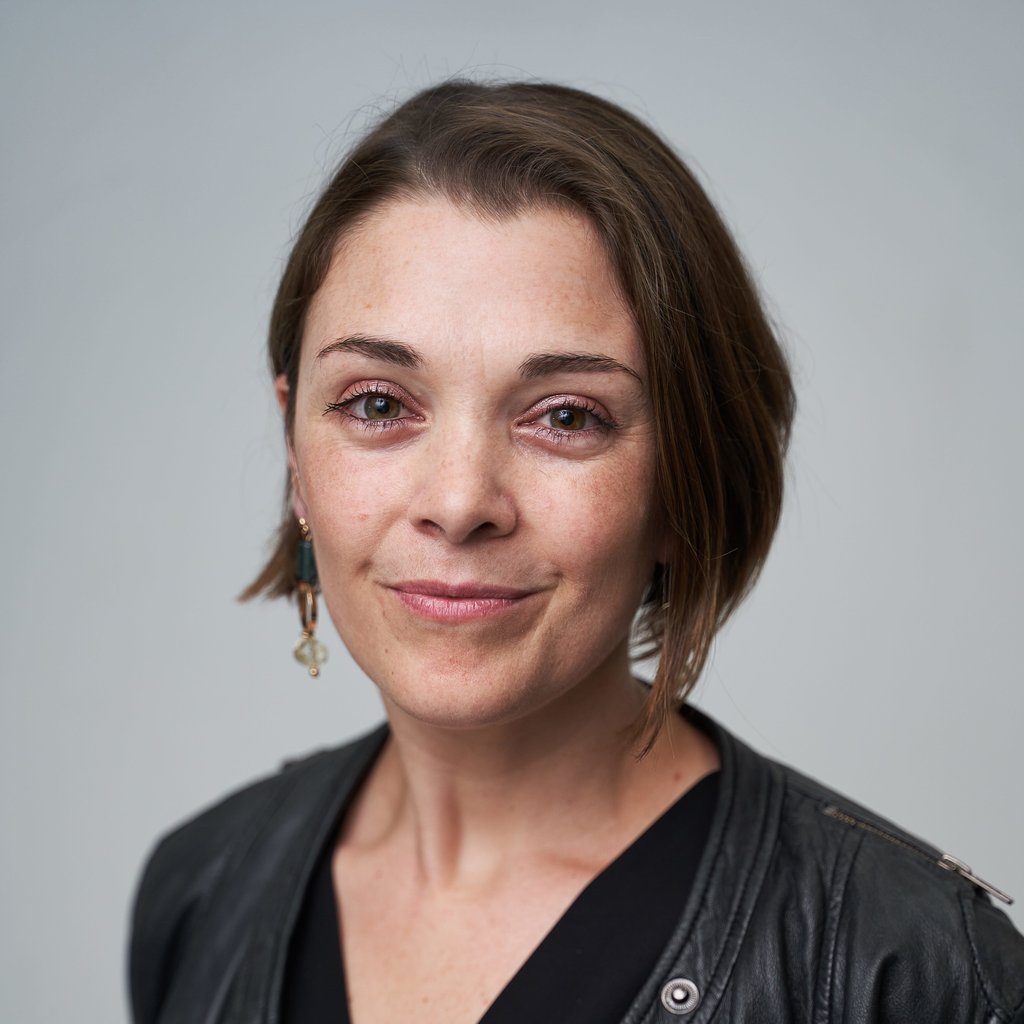
“Doing a PhD gives you time and space to explore alternate ways of thinking, and knowing, and ultimately being in the world. It’s an absolute privilege. Now, it’s my job to try to help people to come on that journey too.”

“At the end of your PhD, you’re able to create something that is unique and has value because you have properly vetted it over years. If I had done it in an individual setting, I would not have been able to achieve what I have.”
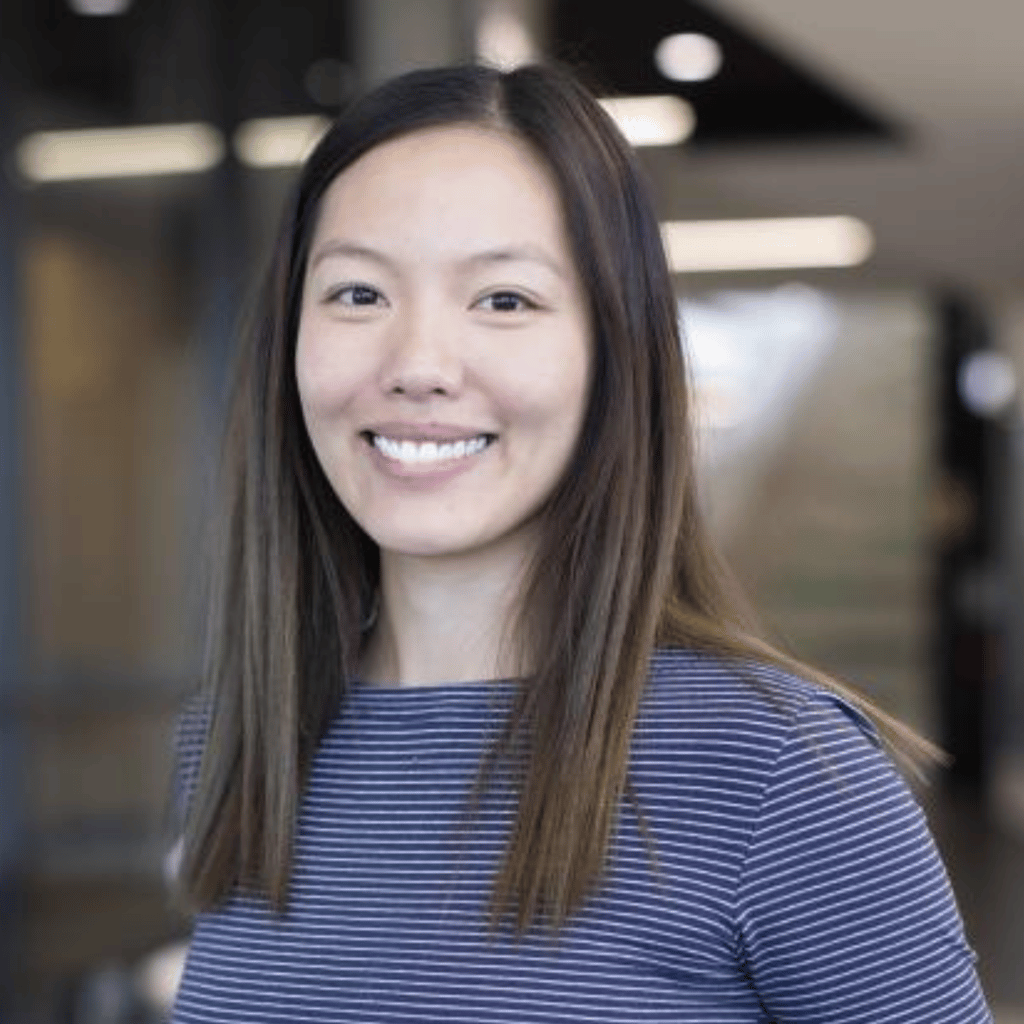
“As an embedded PhD, you can identify industry issues which affect how you work. You understand all the nuances that can help ensure that your research has an impact.”

“Only a year into my PhD, I’ve managed to understand the problem far better than before.”
How does a PhD work?
From finding a research topic to completing your thesis, we'll support you through every stage of your research journey.

Step 1: Find a research topic
Submit an expression of interest to your faculty or reach out to a supervisor who may have similar research interests to you. Ask them about available industry partnerships.
Step 2: Plan your degree
Choose between a PhD or Master’s by Research and check the eligibility criteria.
Step 3: Prepare your application
If you're applying for a scholarship, start preparing your application at least four weeks before the closing dates. Gain pre-approval from your potential faculty and prepare your documents.
Step 4: Submit your application
Follow the step-by-step guide to apply for a research degree.
Step 5: Design your program
You'll design a research program with your faculty and supervisors that may include discipline-specific training, research skill uplift or industry placements.
Step 6: Conduct your research
During your degree, you’ll conduct research that is structured by key milestones. Your final project will be presented for examination by industry and academic experts.
How long does a PhD take?
A PhD typically takes 4 years full time or up to 8 years part time. During this time, you'll work with expert supervisors to conduct original research and develop advanced research skills.
| Duration | Qualification | Eligibility | Outcomes |
|---|---|---|---|
| 4 years full time / 8 years part time | Doctor of Philosophy | Domestic & International | Thesis, publications, patents, policy impact |
How you can study with us
Choose a study mode that suits your needs, whether on campus, in partnership with another institution, or by distance. UTS offers flexible pathways to ensure you can pursue your research degree in a way that works for you.
On campus
When you choose to study in person at our Sydney campus, you’ll be at the heart of a vibrant innovation hub. You’ll have the opportunity to spend time with your supervisor in person, and access to our student spaces, specialist facilities, community and services.
In partnership
We pride ourselves on our partnerships with other institutions – locally and internationally. That’s why we offer a number of opportunities for you to do a PhD or Research Master’s in collaboration with another institution.
By distance
We support you to develop your future as a researcher in a global context – without applying for a visa or subletting your apartment.
Find a supervisor aligned with your research interests
One of the most important steps in starting a PhD is identifying a supervisor whose expertise matches your research goals.

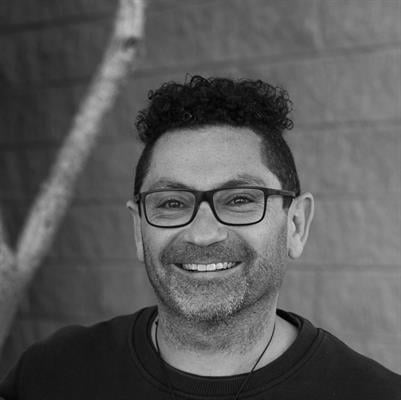
Jason De Santolo
Associate Dean (Indigenous Research)
Deputy Vice-Chancellor (Education and Students)
Types of PhDs

Entrepreneurial PhD
Best for: Researchers looking to commercialise ideas, launch startups or turn research into practical solutions.
Duration: 4 years full time.
Outcome: Doctor of Philosophy (PhD).
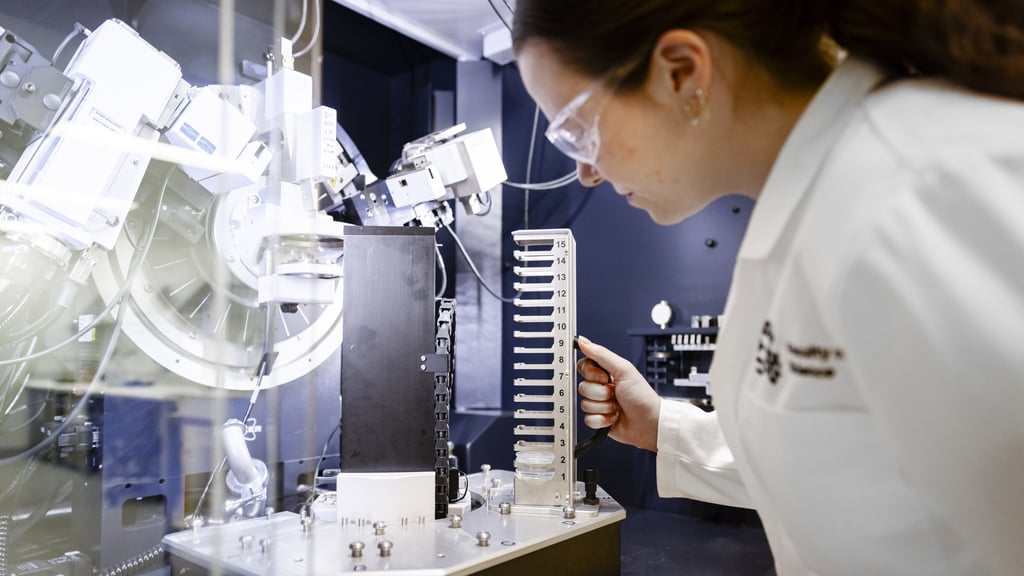
Industry PhD
Best for: Students wanting to work on real-world industry challenges while conducting research with academic and industry partners.
Duration: 4 years full time.
Outcome: Doctor of Philosophy (PhD).
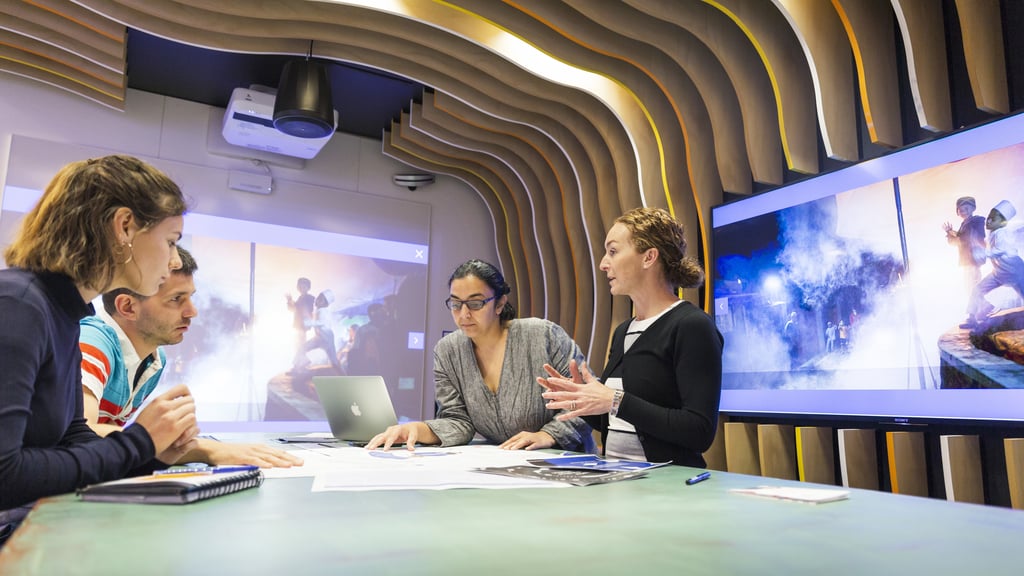
Social Impact PhD
Best for: Professionals from non-profits, NGOs, and community organisations who are ready to tackle real-world challenges.
Duration: 4 years full time.
Outcome: Doctor of Philosophy (PhD).

Global PhD
Best for: Students looking to complete a PhD remotely or seeking international research collaboration and opportunities to tackle global challenges.
Duration: 4 years full time.
Outcome: Doctor of Philosophy (PhD).
Explore
Want more information?
Get in touch with the Graduate Research School.