

- Posted on 18 Jan 2024
- 6-minute read
Battery electric trucks offer larger and more certain emission cuts than trucks powered by hydrogen in the quest to reduce Australia’s stubbornly high transport emissions writes Robin Smit.
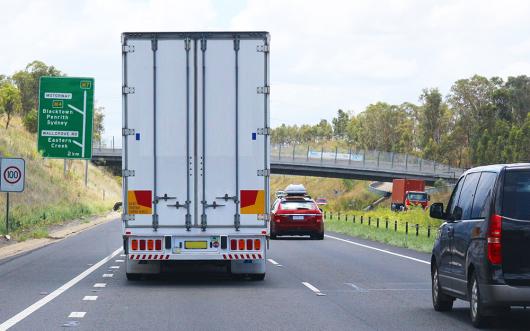
Transport is likely the hardest economic sector to decarbonise. And road vehicles produce the most greenhouse gas emissions of the Australian transport sector – 85% of its total. Freight trucks account for only 8% of travel on our roads but 27% of transport emissions.
We analysed the life-cycle greenhouse gas emissions of Australian passenger cars and SUVs in a 2022 study. We have now looked at Australian trucks.
The 2022 study showed Australian electric cars already provided large cuts in emissions in 2019. The reduction was 30-40% compared to the overall on-road passenger vehicle fleet’s (life-cycle) emissions per kilometre in 2018. When renewables take over the electricity grid from which battery electric vehicles are charged, the cuts will be even bigger – around 75-80%.
Is it the same for Australian trucks? Our new study shows battery electric trucks are the best road transport option for getting closer to net-zero emissions. As the shift to renewables continues and batteries become more durable, these trucks are expected to deliver the largest and most certain emission cuts of 75-85% over their entire life cycle.
Hydrogen-powered (fuel cell) trucks also provide large emission cuts, but not as much as battery electric trucks. Their future performance is the most uncertain at this stage.
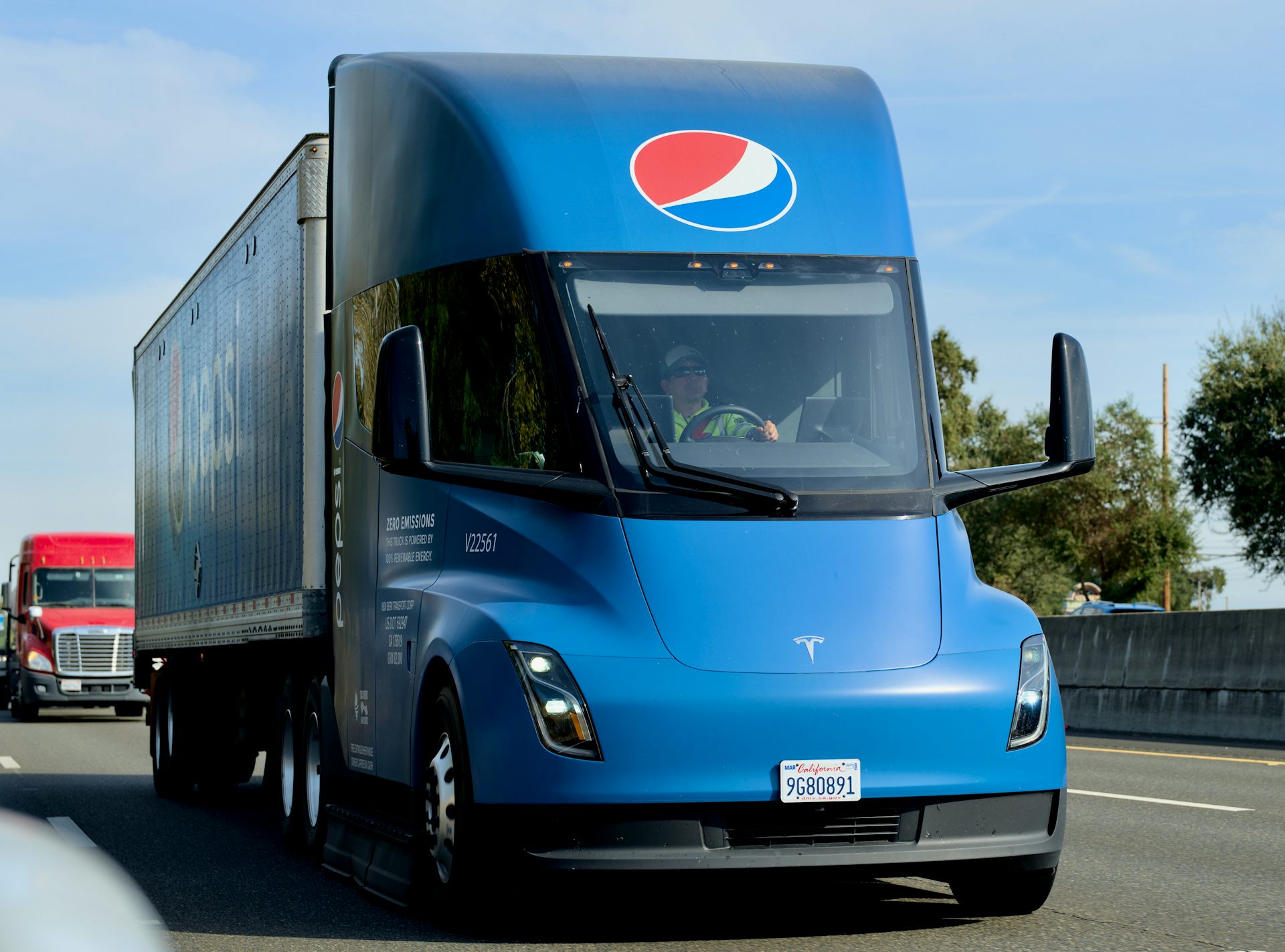
We can expect to see increasing numbers of electric trucks on our roads. Dllu/Wikimedia Commons, CC BY-SA

What did the study look at?
We looked at the fleet-averaged life-cycle emissions of three Australian truck sizes and three technologies – diesel, hydrogen and electric – for the pre-COVID year 2019 and a future decarbonised scenario. This scenario is based on 90% renewables in the electricity grid and 90% green hydrogen (produced using renewable energy).
To fairly assess emissions performance, we must look at the whole life cycle of both the vehicle and its energy or fuel process. Life-cycle assessment considers all aspects of a vehicle’s life – manufacturing, on-road driving, maintenance and disposal – and energy or fuel production and distribution. In future work we would like to include the life-cycle emission impacts of infrastructure such as roads.
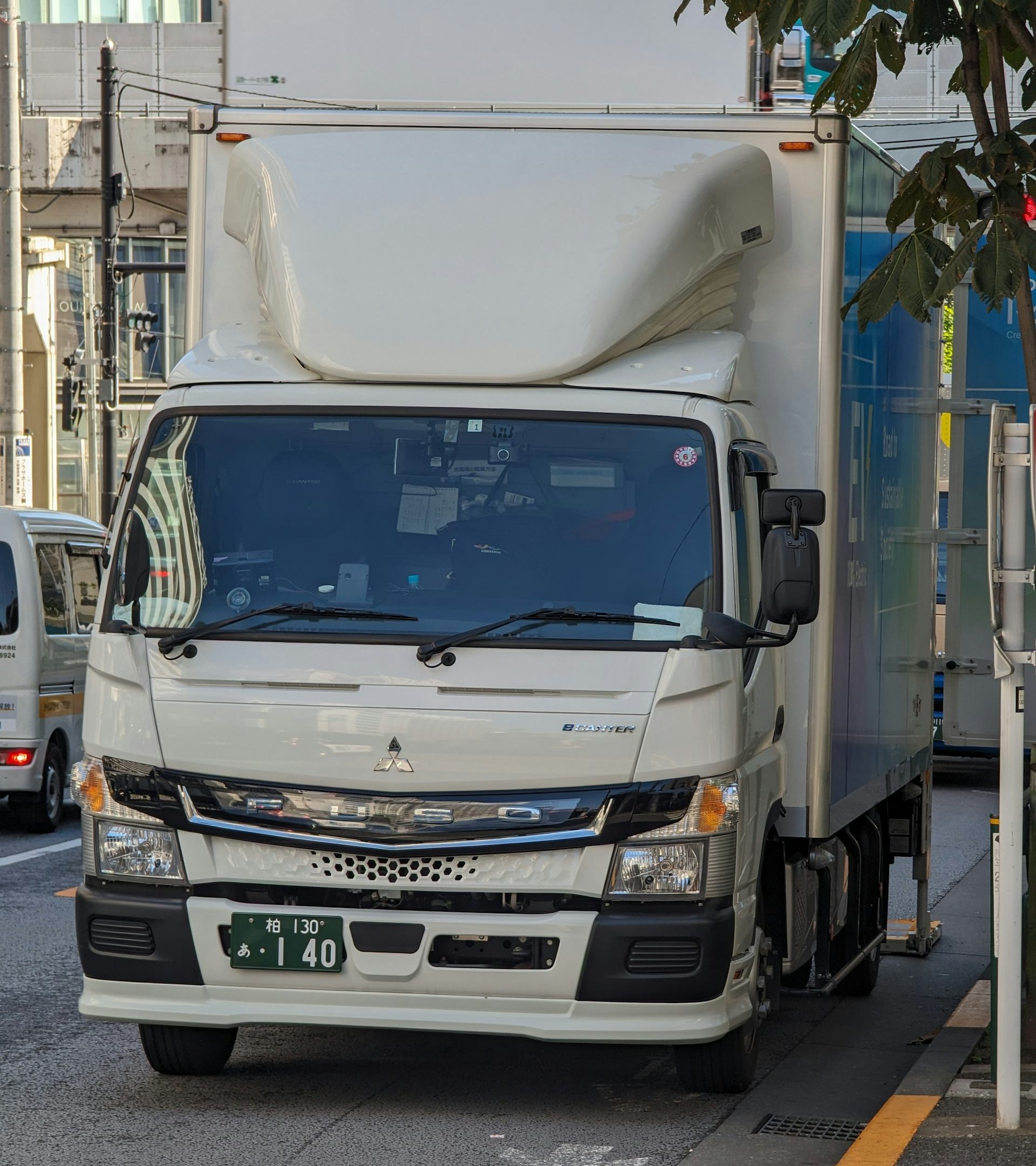
Years of service by battery electric trucks give us more data, increasing certainty about their life-cycle emissions. Syced/Wikimedia Commons

We also added something that is less commonly done in life-cycle assessments: a probabilistic analysis. Instead of estimating single emission values, we quantified a plausible range of emissions. These distributions provide helpful extra information.
For instance, if a distribution is wide (spanning a wide range of emission values), there is a lot of uncertainty and variability in the emissions performance. This would make the technology less robust from a climate change perspective.
A narrow distribution means there is less variability. We can be more certain the technology will perform as expected, with less risk of over-promising and under-performing.
Assessments must also reflect Australian conditions. For instance, we analysed truck odometer data and found Australian long-haul trucks drive much farther over their lifetime than European trucks.
Vehicle mileage directly affects lifecycle emissions but it also affects the number of times a battery or hydrogen fuel cell system may need to be replaced. Each replacement can significantly increase life-cycle emissions.
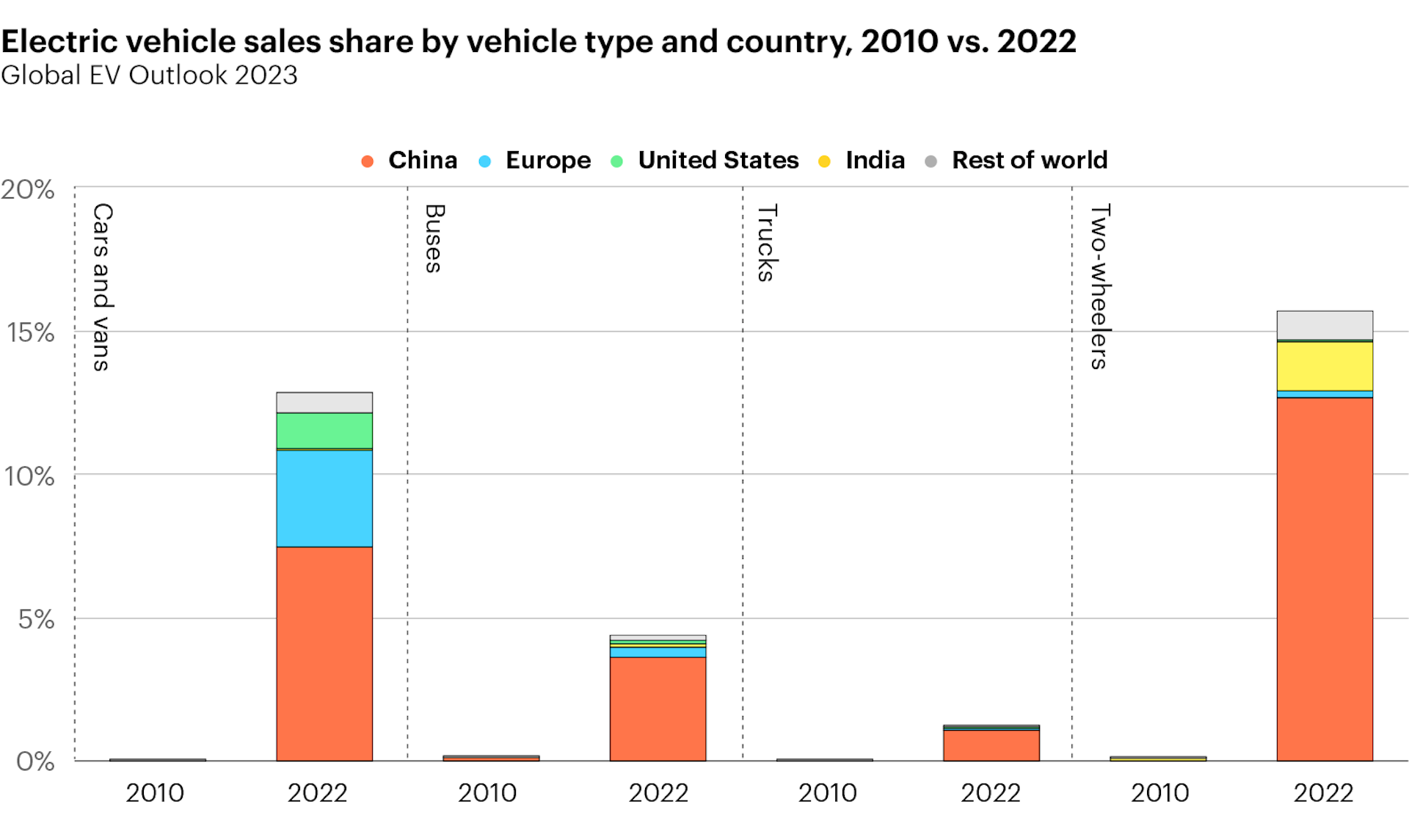
While the uptake of electric trucks has trailed other forms of road transport, their high mileage means any emission cuts add up. International Energy Agency/Wikimedia Commons, CC BY
What did the study find?
In 2019, life-cycle emissions for electric trucks (both battery electric and hydrogen fuel cells) were higher than for diesel trucks. There were a few reasons for this.
First, the electricity grid and hydrogen production depended heavily on fossil fuel power sources at the time. High-carbon energy sources increased emissions from electric vehicles. But this is changing fast.
Another important issue is uncertainty about the durability of battery and (hydrogen) fuel cell systems in heavy use, such as for long-haul articulated trucks. The largest Australian trucks travel about 2 million kilometres on average in their lifetime. Those sorts of distances test the durability of these systems.
We currently expect battery systems to last between 400,000km and 600,000km. The average lifetime mileage of long-haul freight trucks in particular means batteries will need to be replaced.
Other options on the table could at least partly reduce this problem. We could use ageing trucks differently, such as for shorter trips. Trucks could also use shared and externally charged batteries (battery swapping).
Battery and fuel cell systems are expected to become a lot more durable in coming decades. Alongside a strong decarbonisation of Australia’s electricity generation and hydrogen production, this completely changes the picture. This can be seen when we look at the estimated plausible range in life-cycle emissions for different truck sizes and powertrain technologies in the future decarbonised scenario.
What does this mean for policy?
Our modelling shows battery electric trucks will provide deep emission cuts of 75-85%, on average, across the fleet in the future decarbonised scenario. Hydrogen (fuel cell) trucks will provide large cuts of 50-70%, on average.
Hydrogen trucks are expected to emit about twice the amount of life-cycle emissions per kilometre compared to battery electric trucks. The latter’s extra reduction in emissions will be vital for getting road transport closer to the net-zero target in 2050.
The life-cycle emissions of the hydrogen trucks also have the largest uncertainty of all the powertrains we assessed. This reflects a general lack of data and information for this technology.
This uncertainty is important for policymakers to consider. Hydrogen (fuel cell) trucks carry a higher risk of not achieving anticipated emission cuts.
Using the available evidence, our study suggests policies to cut Australian trucking emissions should focus on promoting battery electric trucks wherever possible.
Of course, other policy measures will be needed to achieve net zero. The options include shifting freight from road to lower-emission electric rail or ships. We could also reduce overall freight travel by, for instance, optimising logistics.
Robin Smit, Adjunct Professor, School of Civil and Environmental Engineering, University of Technology Sydney
This article is republished from The Conversation under a Creative Commons license. Read the original article.