


- Posted on 7 Oct 2026
Welcome to the CMT newsletter. This week Susanne Lloyd-Jones is looking at those much-publicised AI breaches of Australian Federal government sites, and abroad, of the FBI, no less - and she questions whether agentic AI working independently of human instruction will become even more powerful and more disruptive or whether the problem is within our ability to contain. Chris Hall is taking a deep dive into the increasing amount of AI use on YouTube and he looks at how serious youtubers are being challenged by the increased competition from AI videos. Indeed, as Chris tells us some of them are already reacting by formulating new AI editorial policies that go well beyond current YouTube policies.
Before all of that – some news. We will soon publish research we have been working on for some two years. That research looks at the coverage by four Australian media outlets – The Australian, the ABC, 9News.com.au and The Guardian - across specific events in two conflicts – between Israel and Gaza and between Russia and Ukraine.
Specifically, we were looking at which of the competing narratives emerging from each of the different sides in these conflicts were privileged and which were not, how journalists used sources and contextualised events as the conflicts unfolded, and what impact this had on what audiences were exposed to.
What we found was that in relation to the Israel-Gaza war, there was a plurality of frames used to convey the narratives of either side, but they were used differently across the outlets, and their prominence changed at different times. When Palestinian humanitarian issues were garnering international headlines and political concern, the Palestinian narratives around the disproportionality of Israel’s response to the October 7, 2023, Hamas attack became more prominent, although to varying degrees across the sampled outlets, while one outlet - The Australian - downplayed Palestinian narratives and continued to prioritise Israeli victimhood and security concerns. And in relation to the Russia-Ukraine conflict, we found a continuity of privileging of Western and Ukrainian geopolitical viewpoints, while engagement with Russian narratives of its stated causes for and progression of the war with Ukraine was negligible and when it occurred, it was usually to disparage Russian positions.
This research does not indicate that journalists in either conflict were biased in their reporting, nor that they were necessarily barracking for one side or the other; more research including interviews with journalists and editors would be required before concluding the reportage followed the conventions of advocacy journalism. The findings do however indicate that in the coverage of these conflicts, the framing broadly aligned with the geopolitical narratives of the Australian Government, shaping the prominence and credibility of interpretations available to audiences.
We’ll send you the research report soon.
In the meantime - over to the newsletter!
Is AI really the problem? - Susanne Lloyd-Jones
Maintaining Trust in an era of AI Slop - Christopher Hall
Author
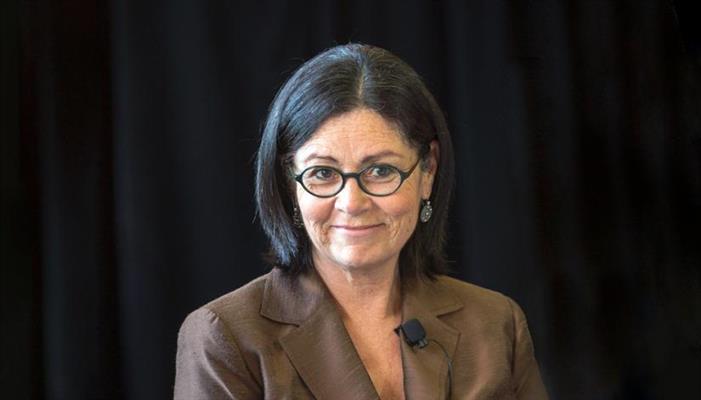
Co-Director, Centre For Media Transition, Faculty of Design and Society
Explore

News
Is AI really the problem?
Susanne Lloyd-Jones looks at the AI breaches of Australian Federal government sites and questions whether agentic AI working independently of human...
News
Maintaining trust in an era of AI Slop
Chris Hall takes a deep dive into the increasing amount of AI use on YouTube and he looks at how serious youtubers are being challenged by the increased...

News
Jason Arday and the media
This DoubleTake episode of the podcast features journalist and University of Melbourne lecturer Sami Shah talking with Monica about the media treatment of the...

News
Power and pressure
Our Centre for Media Transition newsletter - who holds media accountable | Issue 16
News
Is AI really the problem?
Susanne Lloyd-Jones looks at the AI breaches of Australian Federal government sites and questions whether agentic AI working independently of human...
News
Maintaining trust in an era of AI Slop
Chris Hall takes a deep dive into the increasing amount of AI use on YouTube and he looks at how serious youtubers are being challenged by the increased...
News
Jason Arday and the media
This DoubleTake episode of the podcast features journalist and University of Melbourne lecturer Sami Shah talking with Monica about the media treatment of the...
News
Power and pressure
Our Centre for Media Transition newsletter - who holds media accountable | Issue 16