


- Posted on 31 Aug 2026
- 2-minute read
The move to improve privacy protections for Australians is welcome, but reform of outdated privacy laws is far from complete.
The UTS Human Technology Institute (HTI) welcomes the Australian Government’s proposal to modernise the Privacy Act. This reform will improve privacy protections for the Australian community in the era of artificial intelligence (AI).
At the heart of the Government’s proposed reform is a new requirement for organisations to act “fairly and reasonably” when they collect or use personal information of Australians. This will combat the problem of sham consent – with 68% of Australians telling the OAIC that they have no genuine choice but to share their personal information when asked.
“There’s a fiction that if you ticked a box that says ‘I consent’, organisations can do almost anything with your personal information. But tick-a-box consent is rarely genuine. To access an important service, or even deal with a company or government, you often have no choice but to hand over your personal information,” said Professor Edward Santow, HTI Co-Director.
“This new law would address that problem. Giving consent will no longer mean that organisations can do whatever they want. Instead, they will be required to respect your privacy by acting fairly and reasonably when they handle your personal information.
Most Australians want limits on AI use of personal information
“Strengthening Australian privacy law matters more than ever. For example, some retailers are exploiting personal data to charge some of us more for goods and services, while AI-powered smart glasses record sensitive information about the people they interact with.
"Australians don’t want their personal information to be used to manipulate or exploit them, and so our law has a critical role in urgently addressing those problems,” Professor Santow said.
80% of Australians reported to the OAIC that they want limits on how personal information can be used for AI. The Government has proposed a number of measures to bring the Privacy Act into the modern era, including by updating the definition of ‘personal information’ and restricting targeted advertising.
Fixing the problem of facial recognition
However, significant gaps in the Privacy Act remain. For example, HTI’s work has shown that Australian law fails to make clear how facial recognition technology should, and should not, be used.
Until that problem is fixed, police, employers and businesses are largely left to make up their own minds about how to use this tech safely and responsibly.
“Reform of Australia’s outdated privacy laws is far from complete,” said Sarah Sacher, HTI Senior Policy Specialist. “We’re seeing a massive increase in technologies that hoover up people’s personal information. While the technology offers genuine benefits, those will be realised only if the Privacy Act does a better job of preventing and addressing harm.
“Allowing small businesses and employers to opt out of their privacy obligations makes no sense at a time when companies big and small are using AI at scale. HTI calls on the Government to continue acting on its commitment to introduce the remaining Privacy Act Review reforms in its current term.”
News by topic
News
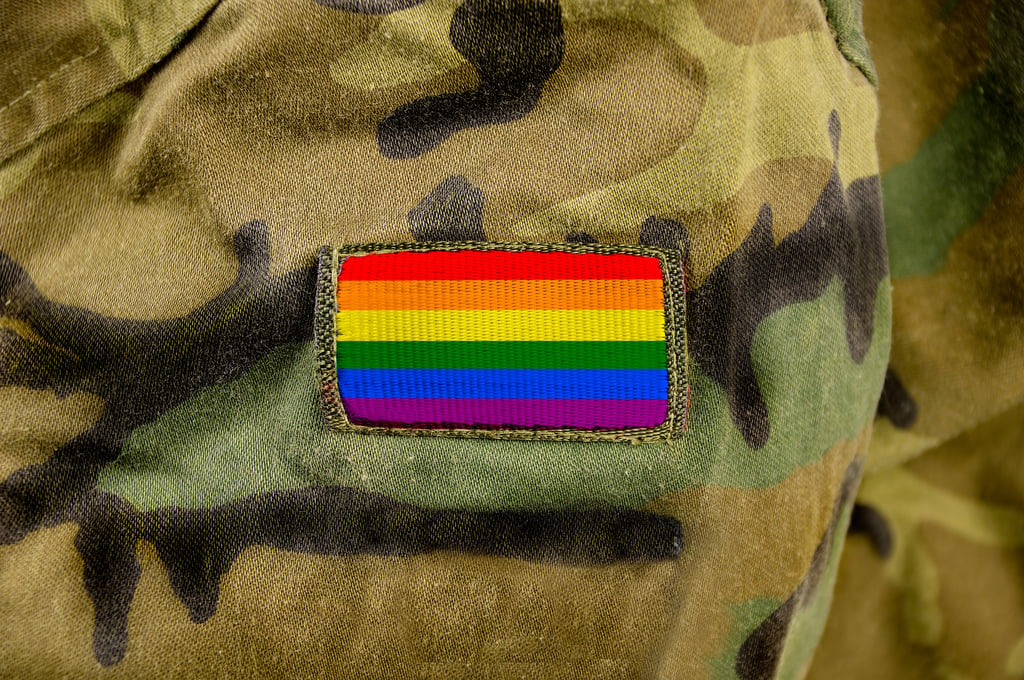
What the Australian government’s apology to LGBTQ+ Defence personnel and veterans means
Current or former Defence personnel can now “apply to have historical homosexual convictions extinguished from their service records”.

News
AI gives rural doctors tools to tackle antibiotic resistance
Evaluation shows new decision support tool helps rural and remote doctors make better antibiotic prescribing decisions.

News
A new study finds that to counter misinformation online, we need to copy its style
Online wording matters, even when the information stays the same, new research finds.

News
The electric car myths Australians can’t shake
Electric cars are dangerous, bad for the environment and impossible to use in the outback. These are just some of the claims circulating among Australians...
News
What the Australian government’s apology to LGBTQ+ Defence personnel and veterans means
Current or former Defence personnel can now “apply to have historical homosexual convictions extinguished from their service records”.
News
AI gives rural doctors tools to tackle antibiotic resistance
Evaluation shows new decision support tool helps rural and remote doctors make better antibiotic prescribing decisions.
News
A new study finds that to counter misinformation online, we need to copy its style
Online wording matters, even when the information stays the same, new research finds.
News
The electric car myths Australians can’t shake
Electric cars are dangerous, bad for the environment and impossible to use in the outback. These are just some of the claims circulating among Australians...