


- Posted on 9 Jul 2026
- 2-minute read
Incentives designed to prevent dishonesty may sometimes create the very distrust they are meant to solve.
Key takeaways
- Honesty and integrity can be powerful drivers of behaviour in organisations, not just financial incentives.
- Fixed salaries may be more effective in roles where trust, judgement and truthfulness are essential.
- Overusing incentives can signal distrust, potentially weakening honesty and creating a cycle of greater oversight.
For decades economic theory has often treated people as if they will only do the right thing in organisations when incentives, such as performance pay, force them to. But does this miss the fact that many people also care about honesty?
A new paper in the Journal of Business Ethics, co-authored by University of Technology Sydney (UTS) researchers Associate Professor Gordon Menzies and Professor Isa Hafalir, challenges one of economics’ most influential ideas about incentives, arguing that trust and professional integrity may be more efficient than performance-based pay.
By revisiting the classic principal–agent model, the authors show that when people have a genuine commitment to honesty, fixed salaries can outperform incentive contracts and excessive reliance on incentives may even erode trust over time.
“This research is especially timely for debates about performance pay, executive incentives, professional standards, compliance culture and trust in institutions,” said Professor Menzies.
This research is especially timely for debates about performance pay, executive incentives, professional standards, compliance culture and trust in institutions.
This research grew out of Menzies' public lecture at Oxford, which focused on the lessons of the Global Financial Crisis, particularly the way economics can sometimes be used inappropriately to make moral decisions. He became interested in what standard economic analysis assumes about truth-telling, and whether those assumptions reflect how people always behave in organisations.
The principal-agent model, which has helped justify large bonus contracts since the 1980s, effectively assumes that agents will not tell the truth unless they are incentivised to do so. Menzies teamed up with Professor Isa Hafalir at UTS to model this formally, and the ethical implications were explored by Tom Simpson, a professor of Moral Philosophy at Oxford.
“In many business situations, people are neither perfectly self-interested nor perfectly trustworthy. Our model captures that more realistic middle ground,” said Professor Menzies.
“A key implication is that offering an incentive contract can itself send a signal of distrust. That can discourage honesty, reduce trustworthiness and create a downward spiral where even more incentives are needed.”
Menzies reflects that could be why salaries remain common in professional roles such as medicine, law and other advisory fields.
“Doctors, lawyers and other professionals are not just service providers responding to price signals. Their work depends on duties of loyalty, care and truthfulness,” he said.
“The persistence of salaried professional roles is not an accident. It reflects the very economic value and economic efficiency of trust, judgement and moral responsibility.”
Featured researchers
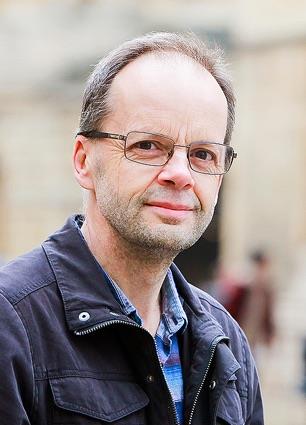
Adjunct Associate Professor, Business School
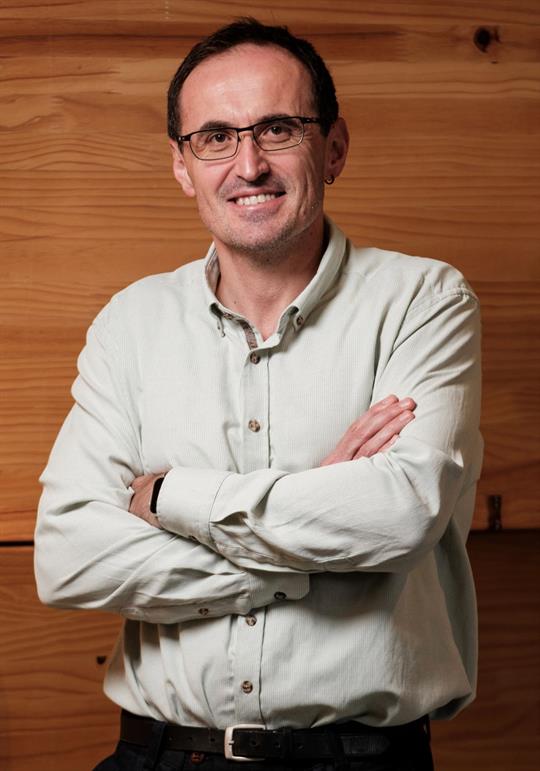
Associate Dean (Research), Business School
News by topic

News
UTS and 2SER tune into the future
Sydney community radio station 2SER marks 47 years on air and launches annual radiothon.

News
Research puts resilient infrastructure on solid ground
Groundbreaking $24 million research centre will develop sustainable technologies that stabilise the foundations underpinning major infrastructure.

News
UTS researchers develop new AI tool to better predict stroke risk
New AI model analyses DNA to identify genetic risk factors for stroke, paving the way for more personalised prevention and treatment.

News
National First Nations College update
UTS has been working towards building a National First Nations College, an Indigenous-designed, culturally responsive residential community where students can...
News
UTS and 2SER tune into the future
Sydney community radio station 2SER marks 47 years on air and launches annual radiothon.
News
Research puts resilient infrastructure on solid ground
Groundbreaking $24 million research centre will develop sustainable technologies that stabilise the foundations underpinning major infrastructure.
News
UTS researchers develop new AI tool to better predict stroke risk
New AI model analyses DNA to identify genetic risk factors for stroke, paving the way for more personalised prevention and treatment.
News
National First Nations College update
UTS has been working towards building a National First Nations College, an Indigenous-designed, culturally responsive residential community where students can...