


- Posted on 16 Apr 2026
- 3-minute read
UTS researchers find that small design features on credit card payment screens can significantly change how much people repay, which can lead to reducing household debt and improving financial wellbeing.
Credit cards provide easy access to finance when needed and many people use them only for convenience. However, holding high levels of debt can cause harmful consequences, such as financial distress and health problems.
In a recent paper published in the Journal of Behavioural and Experimental Economics, UTS researchers have found that changing the digital interface screens using ‘nudge’ theory to give more options about the choices being made can significantly help users in their repayment decision making and potentially reduce their debt.
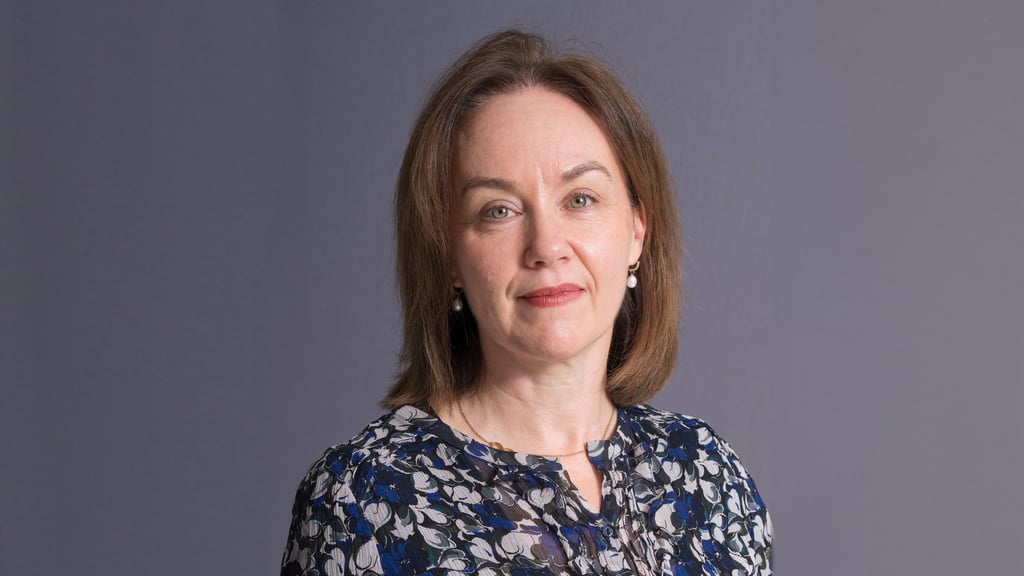
Lead author Dr Elif Incekara-Hafalir, senior lecturer in economics at UTS, says that the way repayment options are presented can systematically push people toward higher or lower payments, which has important implications for financial wellbeing and policy.
“We show that minimum payments act as a strong anchor that reduces repayments, while simple information about interest costs can counteract this,” said Dr Incekara-Hafalir. “Importantly, we find that digital payment interface design can systematically steer behaviour, highlighting a low-cost way for banks and policymakers to improve financial outcomes.
Our findings suggest that small changes in digital payment design can improve financial outcomes at scale.
“For example, removing or de-emphasising minimum payments, highlighting interest costs and carefully designing preset repayment options can encourage higher repayments without restricting choice.”
Dr Incekara-Hafalir says small changes in how information is shown can help people pay down debt faster and avoid unnecessary interest, which is especially important in a high cost-of-living environment.
“In our experiments, participants made credit card repayment decisions using realistic payment screens similar to those used in banking apps,” said Dr Incekara-Hafalir. “We varied specific design features, such as showing a minimum payment, providing interest and payoff information and offering different preset repayment options. We then observed how these changes affected behaviour.
“For example, when a minimum payment was shown participants consistently repaid less, whereas providing clear information about interest costs increased repayments, demonstrating how small design changes can meaningfully influence financial decisions.”
While credit card statements are regulated, digital interfaces (e.g. banking apps) are less so. Extending or updating regulation to cover these platforms could meaningfully reduce household debt and improve financial wellbeing.
“Most people use credit cards and digital banking apps, but few realise that the way repayment options are presented can quietly influence how much they pay,” said Dr Incekara-Hafalir.
“Our research shows that these design features can lead people to repay less and stay in debt longer, often without them noticing.”
Researcher

Associate Professor, Business School
News by topic

News
National First Nations College update
UTS has been working towards building a National First Nations College, an Indigenous-designed, culturally responsive residential community where students can...
News
Professor Catherine Kelly appointed Dean of Law
UTS is delighted to welcome Professor Catherine Kelly as our new Dean of the Faculty of Law.

News
AI improves long-term flood forecasting
Through the power of advanced artificial intelligence, UTS research could help communities get warnings weeks ahead of floods.

News
What can free‑living Indian street dogs teach us about how to care for pet dogs?
A study of how Indian street dogs live raises questions about what it means to care for pet dogs.
News
National First Nations College update
UTS has been working towards building a National First Nations College, an Indigenous-designed, culturally responsive residential community where students can...
News
Professor Catherine Kelly appointed Dean of Law
UTS is delighted to welcome Professor Catherine Kelly as our new Dean of the Faculty of Law.
News
AI improves long-term flood forecasting
Through the power of advanced artificial intelligence, UTS research could help communities get warnings weeks ahead of floods.
News
What can free‑living Indian street dogs teach us about how to care for pet dogs?
A study of how Indian street dogs live raises questions about what it means to care for pet dogs.